Can You Actually 'Detox' Your Liver?
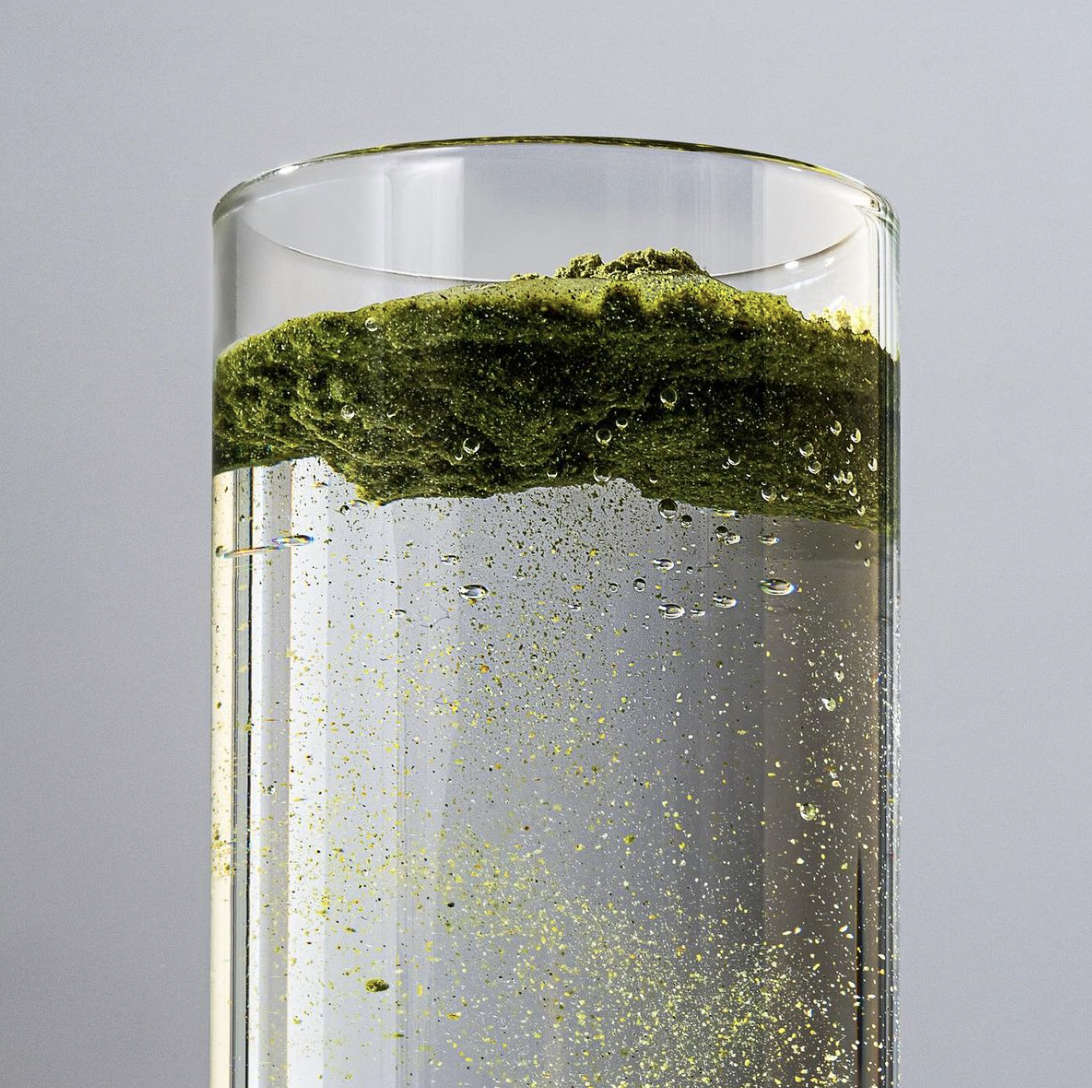
The word "detox". It sells teas, powders, juices and week-long retreats, and it rests on one idea: that the body slowly fills up with something it can't clear, and needs our help to flush it out.
The liver is usually at the centre of that story. It's also the organ that least needs rescuing. It clears alcohol, breaks down hormones and medicines, makes bile, and stores the vitamins and minerals we rely on. The catch is that when it does start to struggle, it rarely tells us.
So what can we do for it? Cérine Cherkaoui spends her days turning liver scans and blood results into plans people can stick to. Her answer is less glamorous than a cleanse, and much more useful.
What your liver is already doing
"Your liver has over 500 functions, and detoxification is only one of them," Cérine says. Detoxification happens in two phases, and the first one holds a surprise.
"In phase 1, enzymes break substances down. What very few people know is that this step can make them more reactive and more harmful than they were to begin with. Phase 2 then has to neutralise them quickly and make them water soluble, so they can leave in your urine, or through bile in your stool."
In other words, the system works because both phases keep pace with each other. It's a careful handover, not a filter that needs emptying.
The liver is also a store, which is why more isn't always better. "Fat-soluble nutrients such as vitamin A, and minerals like iron, are stored in the liver and can build up to toxic levels," she says. "'The more the merrier' really doesn't apply to supplements."
Why the detox didn't work (even when it felt like it did)
Cérine doesn't hedge on this one. "As a dietitian, I'm totally against detox programmes. What I always tell my patients is that the detox didn't help you. Cutting out alcohol, processed food and refined sugars did."
She understands why cleanses feel effective. "Eat very little for a week and of course your tummy looks flatter and your skin looks clearer. Most of the weight you lose is water and muscle, though, because you're not eating enough protein. You might feel lighter for a few days, then your body feels deprived."
“The detox didn’t help you. Cutting out alcohol, processed food and refined sugars did.”
Your gut pays a price too. "Your gut needs real food and fibre to keep its lining healthy, and no powder or supplement replaces that. If your liver and kidneys are healthy, they're already doing this work for you. The goal is to keep them optimal."
Strict detoxes also backfire, she says, because they rarely last. "If you deprive yourself of everything for a week, you end up under-nourished, and most people then eat far more than they did before they started. So what was the point?"
The products that promise to help can even add to the liver's load. "High-dose herbal blends and stacks of supplements carry their own risk, because everything you swallow is processed by the liver, and some of these products have caused liver injury."
Read - The Pre and Post Alcohol Guide
Read - I Spoke To A Sleep Scientist & This Is Why You’re Waking Up at 3am
Is a 'sluggish' liver real?
It's a phrase Cérine hears often at the clinic. "It isn't a clinical term, and there's no medical diagnosis behind it, but it comes mostly from traditional Chinese medicine, homeopathy, acupuncture and energy healing, where the liver is understood in terms of energy flow."
She values those traditions herself. "I'm an advocate for TCM, and I personally believe there are ways to support the liver's energy. For some, that's acupuncture, for others it's a supplement, or both."
As a dietitian, though, she worries about what that loose language can hide. "A struggling liver tends to be silent for years, so tiredness, brain fog, bloating and breakouts deserve to be looked into properly."
The liver condition hiding in plain sight
That silence matters most with metabolic dysfunction-associated steatotic liver disease, or MASLD, the condition formerly known as non-alcoholic fatty liver disease. Up to one in three people in the UK are thought to have it in its early stages, and many have no idea. "So many people think liver disease is only about alcohol," Cérine says, "when this is driven by diet: sugar, refined carbs and ultra-processed foods."
Some groups are more at risk than others. "Those most at risk are people with type 2 diabetes or insulin resistance, women with PCOS (recently renamed PMOS), and women in perimenopause and beyond, as falling oestrogen shifts fat towards the middle. Night shift workers are also at higher risk, as is anyone over 40 who is losing muscle."
That rename is a reflection of that - PCOS has officially become polyendocrine metabolic ovarian syndrome, or PMOS, to reflect what the old name missed: this is a hormonal and metabolic condition, not only an ovarian one. You can read more on that here. Insulin resistance sits at the heart of it for many women, and insulin resistance is one of the strongest drivers of fat building up in the liver. If you've been diagnosed, your liver belongs in the conversation too.
Being slim doesn't rule MASLD out. "You can be slim on the outside and still carry fat around your organs. It often goes undetected because it doesn't hurt."
What the blood tests miss
Most of us assume a routine blood test would catch a liver problem. Cérine says it often doesn't.
"With heart health, your lipid profile can give you an early warning. The liver is the other way around. ALT, AST and GGT show whether liver cells are inflamed or damaged; however, around 70% of people with fatty liver have completely normal results. Blood tests alone miss a lot of early disease."
That's why her clinic recommends a FibroScan, which measures both the fat and the stiffness in the liver. "We believe prevention is better than cure. We use the same technology you'd find in a hepatology clinic, and we've made it accessible to everyone, with no referral needed to get checked."
Alcohol, recovery and the big weekend
There's good news here. "Your liver is smart," Cérine says. "Within about two weeks of stopping alcohol, liver cells start to recover. For a meaningful change on a scan, we usually recommend three months."
That's worth knowing if you're partway through a “sober October”. Two weeks starts the repair, but the bigger gains depend on what you do after the month ends.
On the question she's asked most, whether one heavy weekend is worse than the same units spread through the week, her advice is to spread them out. "Spread your drinks out so you don't overload your liver all at once, and keep several days completely alcohol-free."
Eating for your liver
If there's one food Cérine would point to, it's good quality coffee. "Coffee is the standout, with three to four cups a day linked to a lower risk of liver disease. After that, I can't highlight these enough: cruciferous vegetables such as broccoli, cabbage and kale, plenty of fibre, extra virgin olive oil and garlic."
Put together, that looks a lot like a Mediterranean way of eating, which she notes "reduces liver fat even without weight loss".
The gut plays a big part. "Everything you absorb from your gut travels in the blood through the portal vein straight to your liver, before it goes anywhere else. If the gut lining is compromised, bacterial fragments reach the liver and drive inflammation."
The effects reach beyond the liver, too. "When the liver is struggling, toxins such as ammonia can reach the brain, which is why brain fog is so often part of the picture."
“Everything you absorb from your gut travels straight to your liver, before it goes anywhere else.”
What about supplements?
Cérine has her favourites. "Milk thistle is the most researched and can be a great addition. I'm a huge fan of artichoke, and dandelion root has a long traditional use, although the human research is still limited." The Liver Clinic also makes its own supplement, de-liver-ance®, a blend of 15 botanicals including turmeric, choline, ginseng, astragalus and Seanol, a polyphenol-rich seaweed extract.
But she's clear that no supplement does the job on its own. "The most important point is that no supplement works if you don't address the cause. If the diet, the alcohol and the lifestyle stay the same, the inflammation stays too."
The habits that make the biggest difference
So if not a cleanse, then what? Cérine's starting points are simple, if not always easy.
The first is timing. "Have dinner as early as you can. I know how hard that is with a busy schedule. Your liver has its own body clock, and a long overnight break from food lets it switch from digestion to repair." Traditional Chinese medicine, she adds, places the liver's peak hours between 1am and 3am.
Read - Why You’re Waking At 3am
The second is sleep and stress. "Chronic stress raises cortisol, which drives insulin resistance and fat around the middle. In TCM, anger is the emotion held in the liver. Whichever lens you prefer, finding a healthy way to deal with it matters."
The third is sugar, including the sugar-free kind. "Stay away from sugary foods and drinks as much as you can. Alternative or ‘diet’ versions aren't a free pass either, as emerging research links them to fatty liver too. Read the ingredients list."
And if you drink, drink moderately: within 14 units a week, with several alcohol-free days.
As for what to stop spending money on? "Detox teas and juice cleanses. Your liver and kidneys don't need them."
Words by Cérine Cherkaoui for The Well Edit.
The content published by The Well Edit is for informational and educational purposes only. It is not intended as, and should not be relied upon as, a substitute for professional medical, health, nutritional, legal, or financial advice. While articles may reference insights from qualified practitioners or experts, the views expressed are their own and do not necessarily reflect the views of The Well Edit. Always seek the guidance of a qualified professional before making changes to your diet, lifestyle, supplementation, or healthcare routine.
Use of any information provided is at your own discretion and risk.