
What I Actually Do Before, During, and After I Drink

Someone recognised me in a bar in Clapham at 1am last week. I was at a friend's birthday, dancing, drink in hand, and she couldn't hide her surprise. 'I didn't expect to see you here,' she said, which I understood. But it made me think about what people assume when you work in wellness. Living well has never meant living small. Sometimes I'll say no, without apology, because I know my body and I know when a quiet night will serve me better than a late one. But sometimes I'm in, completely. The dinner reservation, the night out dancing, the third glass of natural wine on a Tuesday because it turned into one of those evenings. Knowing how to look after yourself means you can do all of that, without performance, without guilt, and without the two-day write-off.
So yes, I drink. And you best believe that when I got home that night, my supplement stack was waiting for me on the kitchen counter.
Let me explain exactly what I do.
But first, let’s understand what alcohol actually does to your body
I want to be clear about something before we get into the ritual of it: alcohol is not a health food. I say that as someone who has spent years studying the body, and as someone who, at the peak of her healing journey, was completely teetotal. When I was working hard on my gut, my liver, and my nervous system, rebuilding from the inside out, I removed alcohol entirely. Not as a harsh rule, but because I understood what it was doing and I wasn't prepared to work against myself.
In the gut, alcohol disrupts the intestinal lining and alters the balance of the microbiome, the ecosystem of bacteria that underpins everything from immunity to mood. Even moderate drinking can increase intestinal permeability, sometimes called 'leaky gut', allowing substances into the bloodstream that shouldn't be there and triggering a low-grade inflammatory response throughout the body.
In the liver, alcohol is converted into a toxic byproduct called acetaldehyde before it can be safely broken down and excreted. This process is metabolically demanding, drawing on nutrients, B vitamins, zinc, glutathione, that the body uses for dozens of other essential functions. The liver can only process roughly one unit of alcohol per hour. Everything beyond that is queuing.
On the nervous system, alcohol is a depressant. It disrupts sleep architecture, particularly REM sleep, which is why you can feel simultaneously exhausted and wired the morning after. It also affects cortisol regulation, which is why anxiety can spike the day after drinking even if the night itself felt completely fine. If you're already in a state of nervous system dysregulation, alcohol will amplify that, not soothe it - hello ‘hangxiety’.
I know all of this. I knew it when I was teetotal, and I know it now that I drink occasionally. Today, my gut is in a good place, my liver function is something I actively support. And I've built a routine that works with my body rather than against it. That's what the rest of this piece is.
What I Do Before Drinking Alcohol
Eat WELL. Protein, not carbs.
We were told for years that a big bowl of pasta before a night out was responsible for pre-drinking. It isn't. Alcohol can cause blood glucose to drop into an unhealthy range, a state called hypoglycaemia, and drinking on an empty stomach accelerates that crash dramatically. The dizziness, the 3am munchies, the spinning room: often less about how much you drank and more about what you ate beforehand.
Protein is what your liver actually needs. The detoxification of alcohol requires a steady supply of amino acids, the building blocks that only protein provides. So before I go out, I'll have a proper meal: eggs, fish, chicken, something substantial. Not a handful of crackers and hope. I'll always add greens to that plate too, something bitter like rocket, kale, or tenderstem broccoli. Bitter greens are genuinely supportive for the liver, and if you need more convincing, a Negroni is literally bitter for a reason. There's a print in my best friend's kitchen that says exactly that and I think about it every time.
Set your intention.
This sounds more woo-woo than it is. I simply decide, before I leave the house, what kind of night I'm having. Am I there to celebrate someone properly? Then I'm present and I'm drinking. Am I running on empty from the week? I'll pace myself and head home before midnight. The intention isn't about restriction, it's about being the one making the decisions rather than letting the evening make them for you.
Set your supplement stack out before you leave.
This is the one. Before I go anywhere, I lay everything out on the kitchen counter so that when I walk in the door later, tired, probably hungry, it's all there waiting. I won't go into the full stack just yet, but the act of setting it up beforehand is non-negotiable. The future me is always grateful.
The same goes for your room, give it a tidy before you head out, especially if you’ve been outfit choosing. There’s nothing worse than wanting to climb into bed and it’s covered in your indecisiveness.

During
The Zebra Method.
Not every drink needs to contain alcohol. One with, one without, zigzag your way through the evening and you'll stay hydrated, more present, and genuinely more in control of how the night unfolds. I call it the Zebra Method and it's become second nature. If I'm at a dinner or event where I have more control over what I'm drinking, I'll add a sachet of Humantra to my sparkling water between rounds. Nobody notices; it just looks like a drink.

What you're ordering matters
Wine is a reasonable choice, it's a source of polyphenols, and a good organic, natural wine tends to be kinder than its conventional counterpart. But wine can be high in sugar and sulphites, and if you're someone (like me) who's prone to breakouts, it might not always be your safe bet. On those nights, I'll go for a spirit with soda water and fresh lime. There's something about that combination that feels like your mind knows it's hydrating at the same time as the fun. You can nurse it all night without it becoming cloying.
That said, I will never turn down a good spicy margarita with a girlfriend. And for the record: I am firmly team Hugo over Aperol Spritz, and I will not be taking questions.
The rule of thumb is simpler than it sounds: the more ingredients in your drink, the harder it is to control what you're actually consuming..
After
When you get home: the stack.
This is where the preparation pays off. Everything is already on the counter. I'm not rummaging through the supplement drawer at 1:30am, I just take what's there and go to bed knowing I've done something good.
My non-negotiables:
Liver GI from Pure Encapsulations - comprehensive liver support with the nutrients your body needs to process alcohol efficiently overnight.
Liposomal Vitamin C from Altrient - liposomal delivery means it actually reaches the cells. Alcohol is oxidatively demanding; vitamin C is antioxidant support at the level your body can use & for the record, this is Dua Lipa’s favorite.
Magnesium from BioOptimizers - a combination of multiple magnesium forms in one supplement, which matters because different forms have different absorption pathways and functions. Alcohol depletes magnesium significantly and it will help you get a good nights rest.
Electrolytes - at home, it's always Artah Cellular Hydration. Something about a subtly flavoured drink before sleep is inexplicably satisfying. If I'm travelling or on a girls' trip, I'll pack Humantra sachets, compact, effective, and easy to throw in a bag.
Happy Tuesdays - originally designed as post-rave recovery and introduced to me by a friend a few years ago. I always keep a box in my travel bag for when I can't bring the full cabinet with me. They work.
A shower. Always.
No matter what time I get home, I shower. I cleanse, I do my skincare routine, I get into bed clean. It's not about discipline but the quiet satisfaction of drawing a line between the night and the sleep. I always wake up feeling better for it.
THE DAY AFTER
First priority: protein. The day after drinking, I nearly always crave fish and I've learned to trust that. The body is asking for omega-3 fatty acids and clean protein to begin the recovery process properly. So: smoked salmon, avocado, poached eggs and sourdough if I’m at home, or occasionally a walk through the park for fresh air and a Tunacado from Joe and the Juice. Something that actually means something.
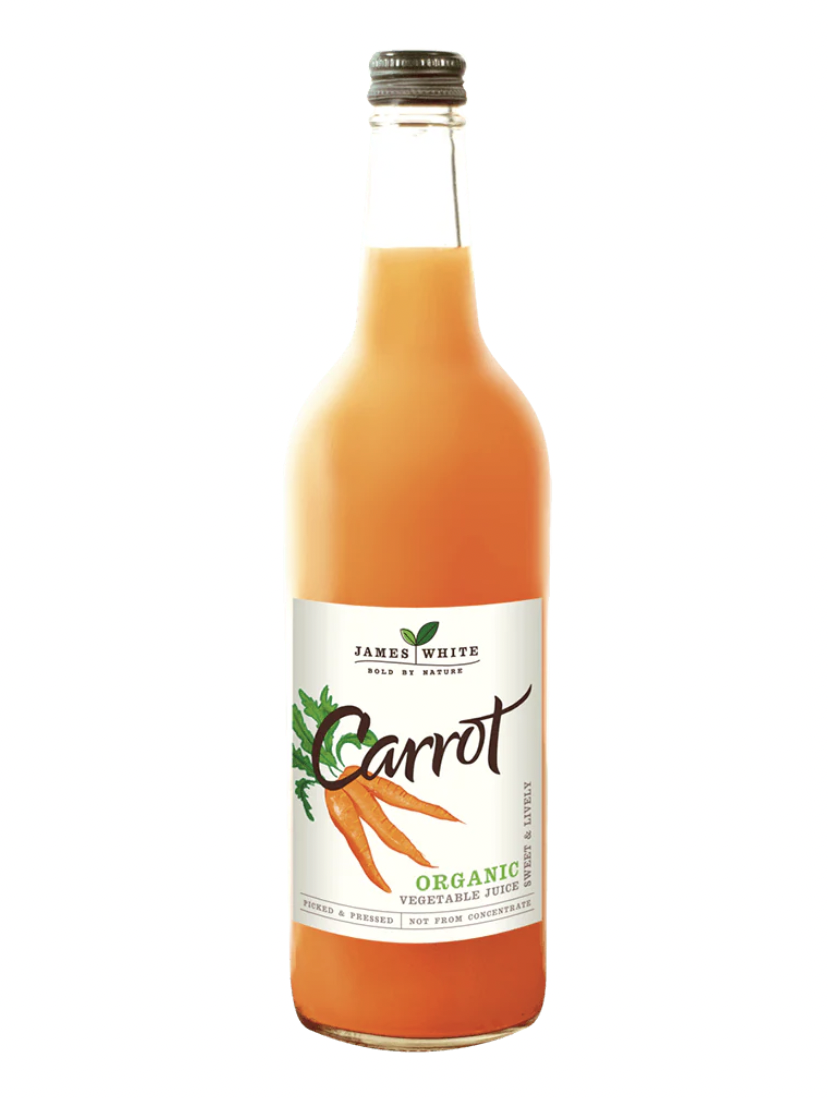
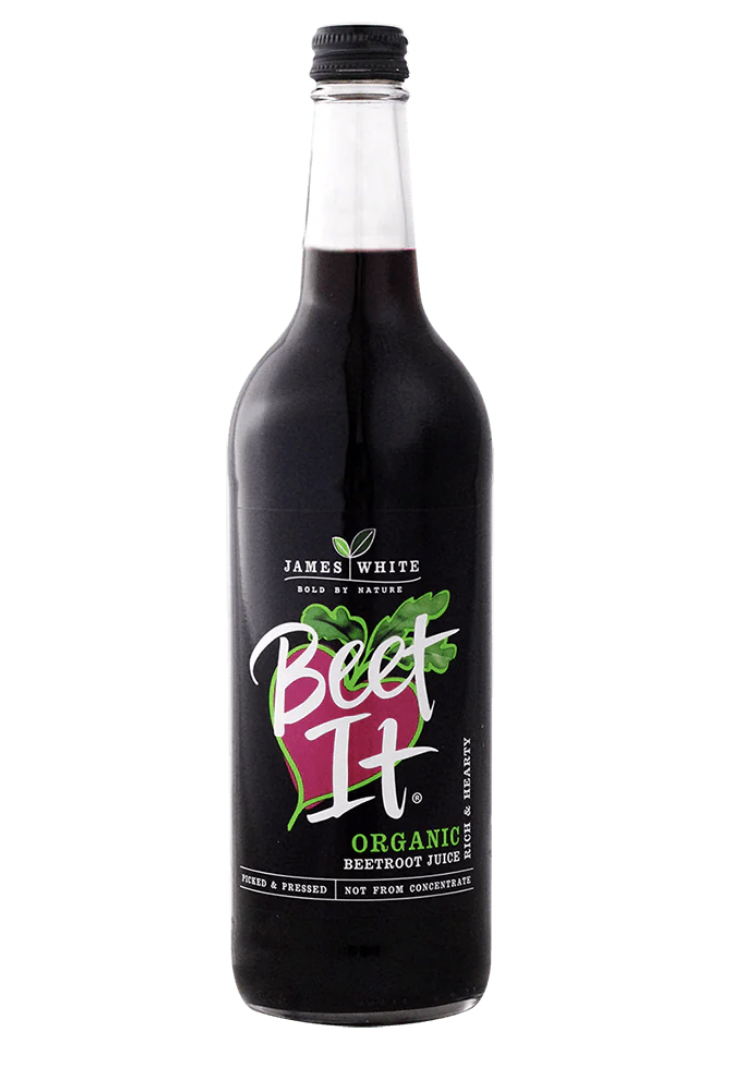
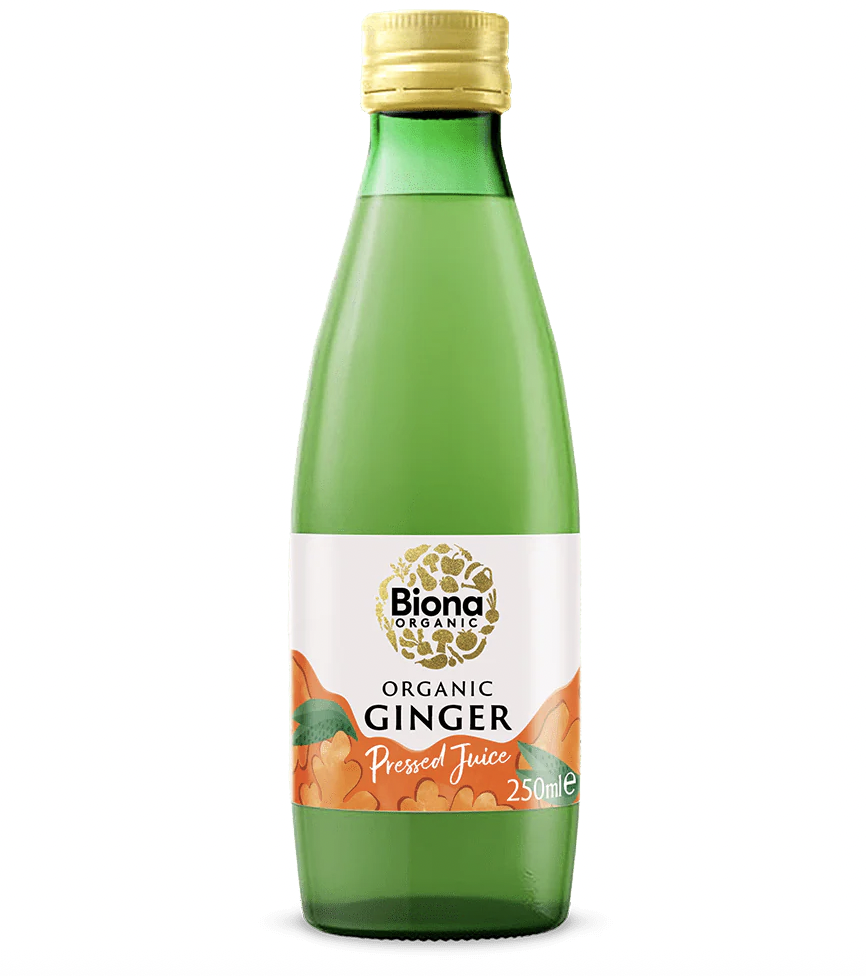
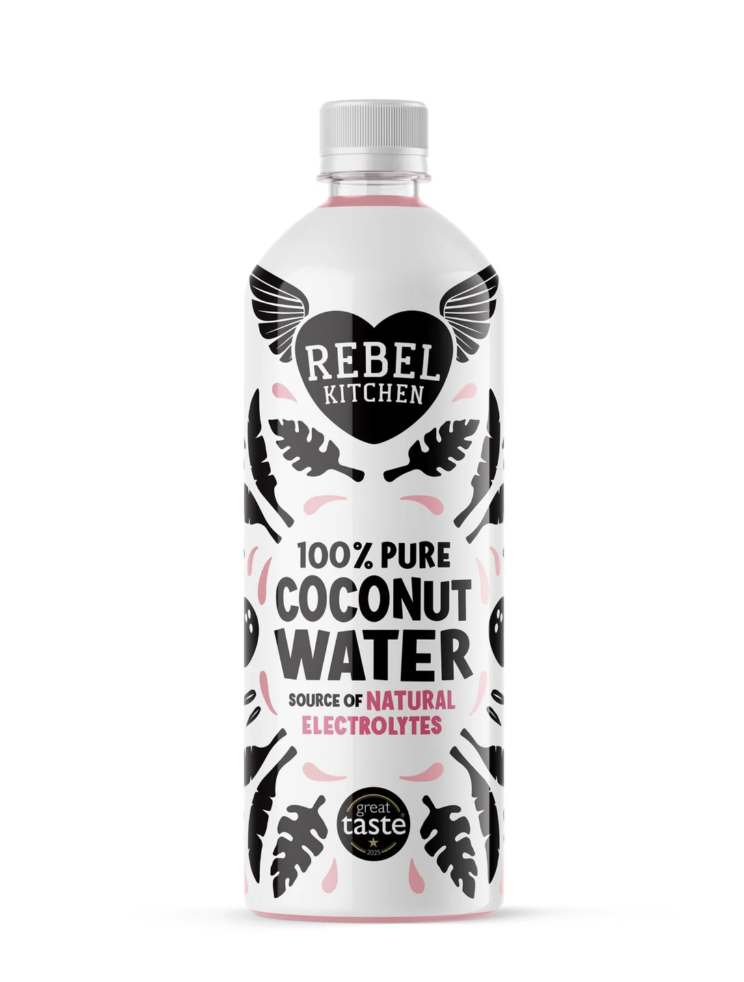
The juice situation: I keep bottles of cold-pressed, organic juice in the fridge at all times, beetroot, carrot, ginger, coconut water. My specific reason for doing this is so that I am never standing over a juicer at 9am when my body is doing its best. The bottles are there for you to pour and make your own concoction.
The juices Eleanor keeps the fridge filled with:
Then: a walk. Even ten minutes. Get outside, get some morning light, let your body remember it's capable. I try to get up and out early specifically so I can come home, crash on the sofa, and watch a romcom in complete peace into the afternoon. That part is non-negotiable too.
Also mentioning from our Well Loved List - Reclaim. It combines liver-support ingredients like NAC and milk thistle with a full B-vitamin stack and electrolytes - everything the body actually needs to process and recover, in one small can.
The few days that follow
The recovery doesn't stop the morning after. For a few days afterwards, I'll prioritise hydration, sleep, and herbal teas, specifically nettle, dandelion, and burdock. All three support liver and kidney function and help ease the body back to its baseline. Through summer, there is a permanent tea strainer on my kitchen counter with these herbs quietly stewing. I'll let it cool and then drink it iced with a little Manuka honey. It tastes better than it sounds, and it genuinely makes a difference to how quickly I feel normal again.
None of this is about earning a night out or punishing yourself afterwards. It's about understanding what your body needs so you can give it everything, the fun and the care, without choosing between them.
Words by Eleanor Hoath for The Well Edit.
The content published by The Well Edit is for informational and educational purposes only. It is not intended as, and should not be relied upon as, a substitute for professional medical, health, nutritional, legal, or financial advice. While articles may reference insights from qualified practitioners or experts, the views expressed are their own and do not necessarily reflect the views of The Well Edit. Always seek the guidance of a qualified professional before making changes to your diet, lifestyle, supplementation, or healthcare routine.
Use of any information provided is at your own discretion and risk.