What Is PDRN And Why Is Everyone Suddenly Talking About It?
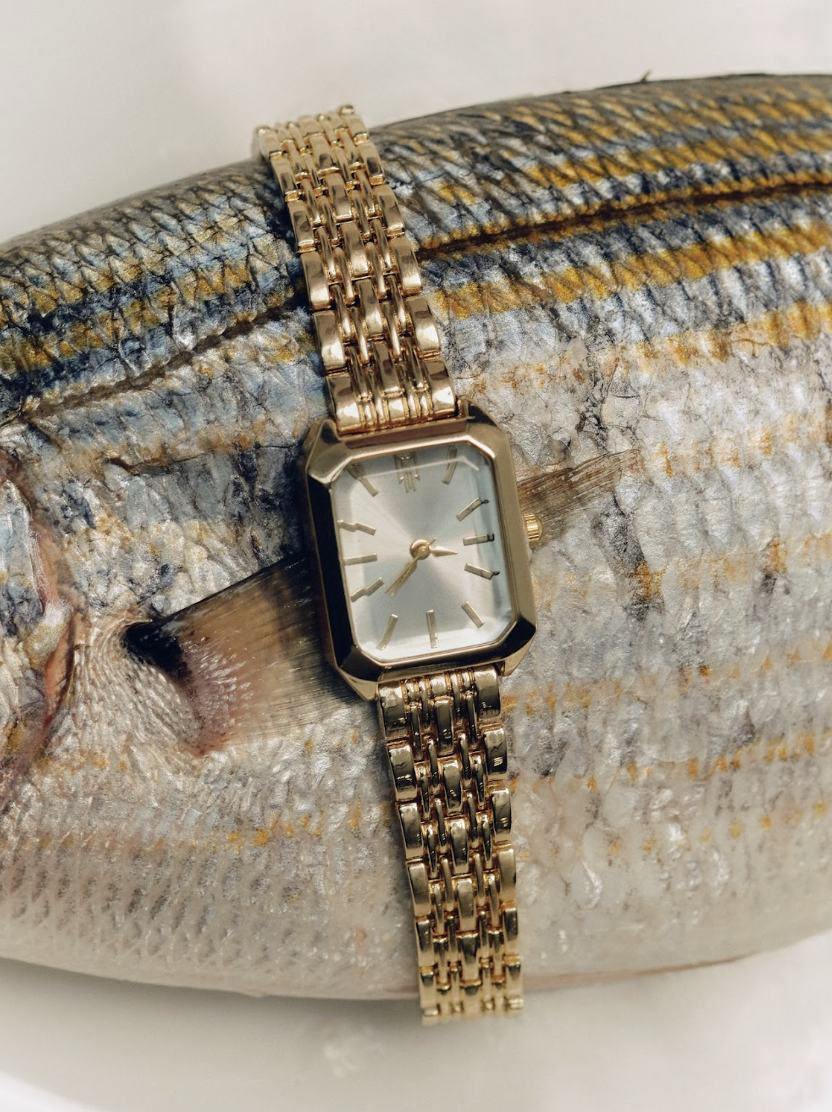
PDRN has become one of skincare’s most talked-about ingredients. One minute it was something mostly discussed by aesthetic doctors and facialists, the next, it’s popping up in serums, treatment menus and headlines about “salmon sperm facials”.
If you’ve spent any time keeping up with Korean beauty, scrolling social feeds or analysing clinic treatment menus recently, chances are you’ve already come across it.
The timing makes sense. Beauty feels a little different right now. Skin longevity, barrier support and stronger, healthier complexions are replacing some of the more aggressive anti-ageing messaging many of us grew up with. After years of exfoliating, layering and trying every new active, plenty of us are also becoming more interested in keeping skin calm, healthy and functioning well.
That’s partly why PDRN feels so relevant right now. Rather than promising dramatic transformation, interest in the ingredient comes from its focus on repair, recovery and overall skin health. That being said, the skincare world has a habit of turning ingredients into overnight obsessions long before most of us have fully understood what they actually are.
So, what exactly is PDRN, what does it do for the skin and is it genuinely worth adding to your routine?
What Is PDRN, Exactly?
First things first, PDRN stands for polydeoxyribonucleotide. Not exactly catchy. Essentially, PDRN refers to fragments of DNA, often derived from salmon or trout, that are thought to support skin repair and regeneration. It first gained momentum in medical settings, where it was used to support wound healing and tissue repair, before making its way into aesthetic medicine and, more recently, skincare.
Yes, this is where the “salmon sperm facial” references come from, although what’s actually happening is considerably less dramatic than the internet would have you believe. Clinically speaking, we’re talking about purified DNA fragments used to support repair pathways in the skin.
According to aesthetic doctor Dr David Jack, the interest in PDRN comes down to how these fragments appear to behave once introduced into the skin. “PDRN is made up of purified DNA fragments, usually derived from salmonid sources such as salmon or trout,” he explains. “These fragments appear to support tissue repair pathways in the skin and have been associated with collagen synthesis, improved microcirculation and modulation of inflammation, all of which are relevant to skin healing and skin quality.”
That regenerative side of PDRN is a big part of what’s driving interest in it. Master facialist and skincare expert Michaella Bolder sees it as part of a broader move towards supporting skin rather than constantly trying to correct it. “PDRN supports and repairs skin tissue, aids wound healing, reduces inflammation and improves hydration and the skin’s overall resilience,” she explains. “It has been used medically for years in wound healing and regenerative medicine, but we’re now seeing it transition more heavily into mainstream skincare and aesthetic treatments.”
The easiest way to think about PDRN is as a recovery-focused ingredient. Rather than resurfacing or pushing the skin into a heightened state of activity, it’s designed to support repair, hydration and overall skin quality over time.
Why Now?
PDRN’s rise feels particularly well-timed. K-beauty has played a monumental role in bringing it into the mainstream, especially as skincare has become increasingly focused on skin quality rather than quick fixes. Glass skin once felt heavily tied to luminosity and glow. Now, the focus feels more considered. Healthy-looking skin, strong barrier function and resilience now feel just as aspirational.
Clinics have also helped drive interest. PDRN has long been used in aesthetic settings, particularly following procedures where recovery becomes the priority. After lasers, microneedling or more intensive treatments, supporting repair tends to take precedence over adding yet another active into the mix.
That approach feels increasingly appealing more broadly too. Plenty of us are a little wary of routines that leave skin feeling tight, irritated or suddenly harder to manage. PDRN appeals because it speaks to something different. Repair rather than overcorrection. Skin that looks healthy rather than skin pushed to extremes.
As Michaella explains, “PDRN feels very aligned with where skincare is heading. Less about harshly stripping or shocking the skin and more about supporting longevity, resilience and overall skin quality over time.”
What Does PDRN Actually Do For The Skin?
This is where things get interesting. PDRN is thought to support several processes linked to skin repair and overall skin quality, which explains why both clinics and skincare brands have become increasingly interested in it.
Dr David Jack says one of the reasons clinicians are paying attention is because of how PDRN appears to interact with repair pathways in the skin. “These fragments appear to support tissue repair pathways in the skin and have been associated with increased fibroblast activity, collagen synthesis, improved microcirculation and modulation of inflammation,” he explains.
Interest in PDRN is also backed by a growing body of research. Market Growth Reports notes that, as of 2024, more than 70 clinical studies had explored PDRN’s role in tissue regeneration, wound healing and anti-inflammatory therapies, helping explain why it is increasingly being discussed in both clinics and skincare.
This may translate to skin that feels calmer, looks healthier and recovers more efficiently, especially if barrier function has been compromised.
While results will vary, PDRN is thought to support skin in a few key ways:
Supporting skin repair
PDRN is widely associated with wound healing and tissue recovery, which is part of why it’s often used after aesthetic treatments.Helping compromised skin barriers
If skin feels irritated, reactive or overworked, PDRN is thought to support recovery rather than pushing skin into further activity.Hydration and bounce
Many people describe skin looking fresher, more hydrated and slightly bouncier after consistent use or in-clinic treatments.Supporting collagen signalling
Early research suggests PDRN may support collagen production pathways, although expectations should remain realistic and long-term.Calmer, healthier-looking skin
Particularly for stressed or sensitised skin, the overall effect is often described as skin looking more comfortable and resilient.
That said, it’s worth keeping expectations in check. PDRN is promising, but it’s not an overnight miracle cure and certainly not a replacement for the basics.
Who Is PDRN Best For?
Like with a lot of skincare ingredients, PDRN won’t necessarily be for everyone, but there are certain skin types and concerns that may reap the rewards more than others. “I see the greatest potential in sensitive skins, dehydrated skin and post-procedure skin where repair and inflammation are a priority,” Michaella explains. “It has also become increasingly popular for ageing concerns from as early as our thirties because healthy skin regeneration naturally slows around this time.”
That means PDRN skincare may be worth considering if you are dealing with:
Sensitive or reactive skin
Particularly if skin feels irritated, inflamed or prone to redness.A compromised skin barrier
Over-exfoliation, strong actives or environmental stress can all leave skin struggling.Post-treatment skin
Following treatments such as microneedling, lasers or stronger facials, repair becomes particularly important.Dehydration or dullness
Skin that feels tired, depleted or lacking bounce may benefit from the hydration-supporting side of PDRN.Early ageing concerns
Fine lines, crepey texture and slower skin recovery are all areas where clinicians are increasingly exploring its use.
Equally, if your skin is already healthy, balanced and responding well to a routine built around proven staples such as SPF, retinoids and barrier support, PDRN may feel more like an added extra than an essential.
PDRN vs Retinol, Peptides and Polynucleotides
Part of the confusion around PDRN is that it often gets mentioned alongside ingredients doing completely different jobs. If you’re wondering where it actually fits into a routine, think of it this way.
Retinol is all about renewal. It works by speeding up cell turnover and encouraging collagen production, which is why it’s often recommended for fine lines, pigmentation and texture. It can be incredibly effective, although overdoing it can sometimes leave skin irritated or sensitised.
Peptides work differently. Think of them as support ingredients, helping encourage processes linked to firmness, hydration and barrier function.
PDRN, meanwhile, is less about renewal and much more focused on repair and recovery. As Michaella explains, “PDRN works very differently. Instead of forcing the skin into a state of activity, it supports repair and regeneration rather than disrupting it. It’s more about improving the environment and functionality of the skin itself.”
Then there are polynucleotides, which are often mentioned in the same breath as PDRN and can understandably get confusing. While closely related, polynucleotides tend to sit more firmly in the in-clinic category. These injectable treatments are designed to improve skin quality from within and are typically used for concerns such as texture, elasticity and recovery.
The important thing to know is that these ingredients are not necessarily competing. In many cases, they work well alongside one another. Retinoids, antioxidants, peptides and barrier-supporting skincare still do much of the day-to-day heavy lifting in a routine. PDRN is more likely to complement them.
Topical PDRN vs In-Clinic Treatments: Is There A Difference?
Yes… a big one. A PDRN serum and an injectable polynucleotide treatment are not going to deliver the same results. “The main difference is delivery,” says Dr David Jack. “In-clinic PDRN or polynucleotide treatments are injected or microneedled directly into the skin, placing the material within the dermis where it can interact more meaningfully with the cells involved in repair and collagen production,” he adds. That’s part of why injectable treatments are often used for concerns such as crepey skin, elasticity, fine lines and post-procedure recovery.
Topical skincare works differently. “The skin barrier is highly effective at limiting the penetration of larger molecules,” Dr Jack explains. “A topical PDRN product may support hydration, barrier comfort and recovery, but I would be realistic about expecting it to produce the same degree of change as an injectable treatment.”
Michaella agrees that expectations are super important here. Formula quality, delivery systems and brand credibility all play a role, particularly because PDRN molecules are relatively large. That doesn’t mean topical products are ineffective. A well-formulated serum or mask may still support hydration, barrier comfort and overall skin quality, particularly if skin feels depleted or post-treatment. Just don’t expect injectable-level results from a bottle.
Is PDRN Worth Using?
PDRN may not be the skincare shortcut the internet occasionally makes it out to be, but it does feel like an ingredient with genuine potential, particularly for skin that feels stressed, depleted or in recovery mode.
For those dealing with dehydration, irritation, post-treatment healing or a compromised barrier, there’s a good case for paying attention to it. Especially if strong actives and overly ambitious routines have started to leave skin feeling harder to manage rather than better.
Dr David Jack is optimistic, but realistic. “I do think PDRN is promising, particularly in injectable form and in the context of skin repair, skin quality and recovery after procedures,” he says. “The biological rationale is interesting and the wider tissue-healing data gives it credibility beyond the usual beauty trend cycle.”
Perhaps the best way to think about PDRN is as an ingredient that supports skin rather than pushes it. Not dramatic overnight transformation, but healthier-looking skin that feels calmer, stronger and more resilient over time. Increasingly, that feels like the kind of skincare many of us are actually looking for.
An Editor Review: Medik8 Exo-PDRN Prismatic+
“I started using Medik8’s new Exo-PDRN Prismatic+ when my skin felt a little depleted, dull, slightly reactive and not quite as bright as usual. The formulation is what makes it particularly interesting, combining PDRN technology with exosomes, peptides and growth factor technology in a way that feels genuinely next-generation and science-led. It’s also incredibly gentle. Skin looked fresher, healthier and noticeably more radiant without irritation or the sense I was overdoing it. If regenerative skincare is on your radar, this feels like one of the more interesting formulas to know about right now.”
Words by Samantha Nice for The Well Edit.
The content published by The Well Edit is for informational and educational purposes only. It is not intended as, and should not be relied upon as, a substitute for professional medical, health, nutritional, legal, or financial advice. While articles may reference insights from qualified practitioners or experts, the views expressed are their own and do not necessarily reflect the views of The Well Edit. Always seek the guidance of a qualified professional before making changes to your diet, lifestyle, supplementation, or healthcare routine.
Use of any information provided is at your own discretion and risk.