The Luteal Phase Survival Kit: How to Thrive (Not Just Survive) the Pre-Period Week
There’s a week that needs no introduction. The dreaded one. Mood dips, the sudden exhaustion, the oddly specific cravings, the brain fog that turns even the simplest of tasks into a mammoth job - it arrives right on cue. We call it a lot of things: the off week, the grumpy week, the ‘best not come near me’ week, and the ‘why am I like this?’ phase. Lately, between my girlfriends and me, it’s been rebranded as “lock in” week, a code for I’m on the struggle bus and will be disappearing for the next 3-5 business days. But as I’m getting older (and, hopefully, wiser), I've started calling it by its real name: the luteal phase.
And it turns out, this isn’t simply something to laugh off or power through - it’s a widespread, biologically driven experience that deserves far more attention than it gets. Up to 90% of women experience at least one premenstrual symptom, while around 30-40% experience PMS. Globally, the number of women affected by premenstrual syndrome has increased by nearly 50% over the past three decades, according to Global Burden of Disease data. This tells us everything we need to know.
Surviving the luteal phase isn’t just about grit or willpower. It’s about braving mood swings that could qualify as extreme sports, navigating cravings that make you question every life choice, and pretending you have your act together while your brain files for early retirement. It deserves acknowledgement. Support. Maybe even a tiny medal - preferably something edible.
We all wear our luteal phase differently. For some, it looks like low-level irritability or fatigue. For others, it’s anxiety, low mood, disrupted sleep, difficulty concentrating, or a complete drop in energy and motivation. Physically, it can show up as bloating, headaches, breast tenderness or changes in appetite. However it manifests, the common thread is this: it’s real, it’s physiological, and it’s often minimised.
So, consider this your sign to not see the luteal phase as something simple to push through, but rather a signal to change gears. Enter: the Luteal Phase Survival Kit. Understanding what’s happening hormonally is the first step.
What Actually Happens in The Luteal Phase
Now, I’m happy to admit, as a woman, I’ve been told “PMS is just in your head” more times than I’d care to count. But the truth is far from it. PMS is complex; it arrives on cue, yet somehow always manages the element of. That moment in the third week of my cycle when I think, oh right, this is happening again, is a monthly reminder that I apparently live in a state of delightful delusion. Mood swings, cravings, fatigue - it’s all part of the package, like clockwork… that I keep forgetting exists.
Dr Raj Arora, women’s health specialist and GP, explains what’s going on, “After ovulation, progesterone becomes the dominant hormone. It has a calming, sedating effect while interacting with brain chemicals like GABA and serotonin. At the same time, oestrogen - which supports mood and energy - begins to fall, a shift that can trigger fatigue, low mood, irritability, and cravings.”
“Symptoms vary widely,” Dr Arora adds, “because it’s not just about hormone levels, but how sensitive someone is to those changes. Two women can have similar hormone levels yet experience very different effects, influenced by genetics, stress, sleep, nutrition, and underlying mood conditions.”
While we can’t eliminate these hormonal shifts, understanding them is the first step toward supporting the body through them.
So, we’ve covered what’s happening from a biological perspective, but what about those cravings? What role does nutrition have to play in all of this?
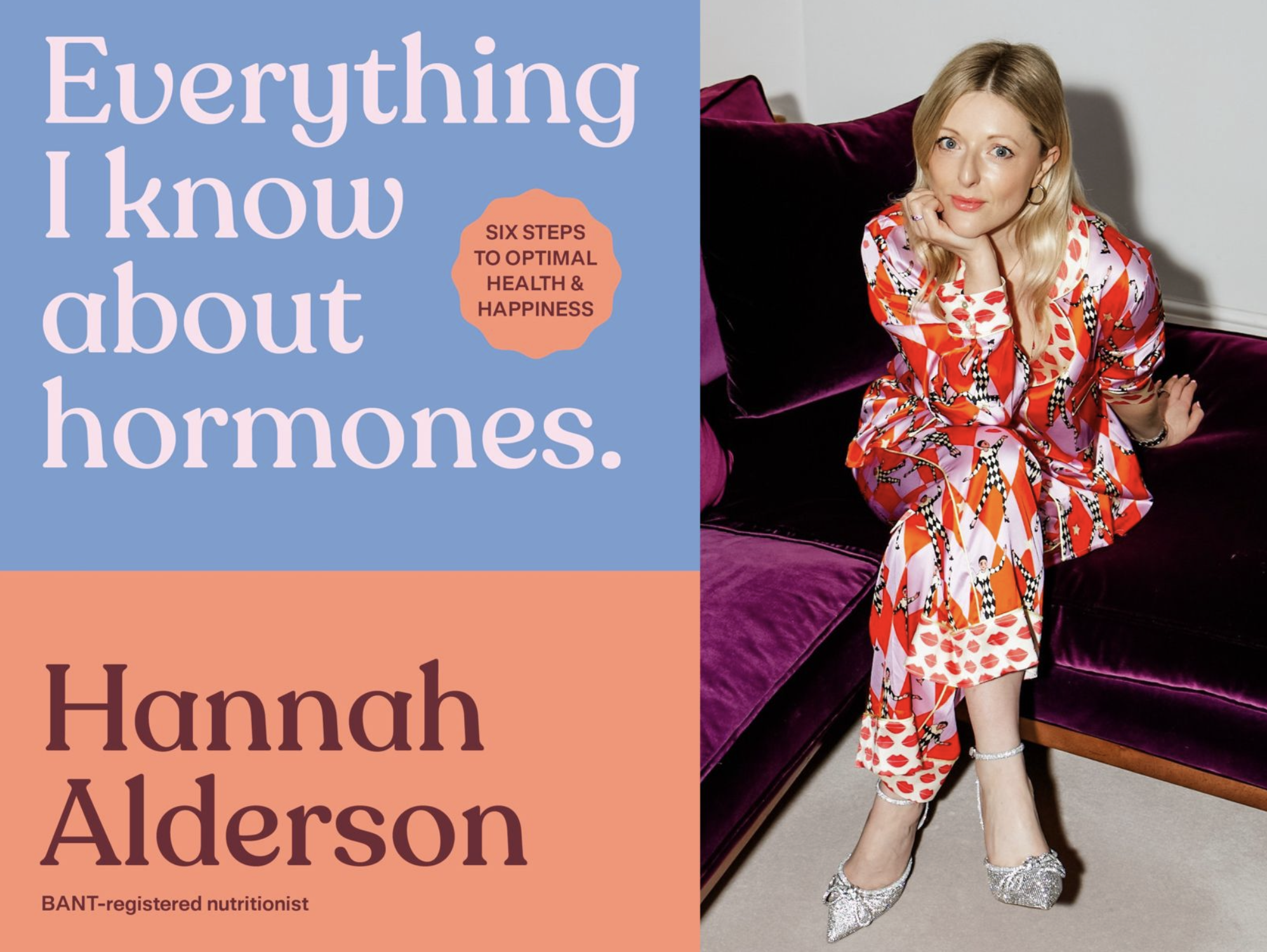
Raise your hand if you’ve ever muttered the words, “I just need sugar, and I’ll feel better.” It turns out, blood sugar regulation is particularly important during the luteal phase. Hannah Alderson, nutritionist and hormone specialist, explains: “After ovulation, progesterone rises and estrogen begins to fall. This shift slightly reduces insulin sensitivity, meaning the body doesn’t handle blood sugar as efficiently as earlier in the cycle. Spikes and crashes in glucose can trigger cortisol release, which, when repeated, worsens common pre-period symptoms like irritability, fatigue, anxiety, and cravings.”
To put it bluntly: your body is a bit more sensitive to sugar highs and lows right now. Those sudden spikes and crashes in blood sugar aren’t just annoying - they can make pre-period symptoms worse, from mood swings to fatigue to cravings that feel impossible to ignore. Add a dash of stress and cortisol into the mix, and suddenly that chocolate bar isn’t just a treat, it feels like a survival strategy.
The takeaway? When you hear your body whisper, “Carbs, please,” pair them with protein, healthy fats, fibre, and colourful plants wherever possible. Doing so helps your blood sugar stay steadier, keeps cortisol from running wild, and gives your energy, mood, and cravings a little much-needed stability during this notorious week.
The Luteal Phase Survival Kit: 5 Strategies That Actually Help
Welcome to your pre-period survival kit - a carefully chosen set of lifelines for navigating mood swings, cravings, fatigue, and that special kind of brain fog that makes you forget why you walked into the kitchen. Think of each “item” as a tiny act of self-preservation, designed to have your back when lock-in week hits.
Stabilise Blood Sugar
We’ve established that the key to stabilising our blood sugar is to pair starchy carbs with protein, healthy fats, fibre, and colourful plants. But what does this look like on our plates?
Hannah adds, "In practice, this could be a breakfast like Greek yoghurt with oats, chia, raspberries, pumpkin seeds, and almond butter. For lunch, try a colourful bowl with quinoa, roasted sweet potato, sardines or lentils, avocado, and leafy greens. Then, for dinner, enjoy baked chicken or tofu, brown rice, and roasted vegetables. Steady fuel = fewer spikes = a calmer pre-period week."
Work With Your Energy
Dr Arora notes: the luteal phase nudges you into a slower rhythm. This isn’t the week to push at full intensity. Scale back, pace your energy, and choose gentle movement. Try walking, yoga, or light strength training. Your brain and body will thank you.
Everyone’s mental and physical load is different, but here’s what works for me: I try to hold off on making plans. No pre-booked workouts - I’ll see how I feel on the day. No social commitments, because the pressure of cancelling when the pain hits just sends my cortisol through the roof. Do whatever you need to conserve energy, and if that means being a little “selfish” for a week, then own it - unapologetically. Lock-in week is not the time to perform; it’s the time to protect yourself.
Prioritise Sleep Like It’s Non-Negotiable
An important part of the survival kit: sleep. As Dr Arora explains, “Poor sleep can worsen both mood and physical symptoms. Treat sleep as sacred: consistent bedtime, winding down, and keeping devices out of the bedroom can make a noticeable difference.”
I’ve worked out I’ve had 156 periods so far, which means I’ve survived 156 luteal phase weeks. And let me tell you, sleep has always been the hardest part of my survival kit to perfect. If you’re a fellow bad sleeper, here are a few tips that have actually helped me.
A white noise machine: there’s something about that steady hum that lulls me into a deep, restorative sleep. Reading: a simple one, but I still surprise myself when I wake up with my head in my book, blissfully rested. And finally, (this may be common sense), but try to get into bed about an hour before you actually want to sleep. For me, it’s not always realistic, but when I can manage it, it almost acts like a gentle signal to my brain that it’s time to switch off.
Support Your Mood Nutritionally
It’s no surprise that the luteal phase can make mood and energy feel especially fragile - which is where nutrition can really support you. Several key nutrients support hormone function and the stress response, helping to stabilise mood and energy.
“Magnesium is a superstar here. It’s involved in over 300 biochemical reactions and helps regulate the nervous system, supporting sleep, stress resilience, and healthy cortisol rhythms. Think pumpkin seeds, almonds, dark leafy greens, or a little cacao indulgence.”
She adds, “Vitamin B6 is essential for neurotransmitter production, serotonin and dopamine, the brain chemicals behind mood and emotional regulation. You’ll find it in foods like chickpeas, salmon, poultry, and bananas. Tryptophan-rich foods, like eggs, turkey, tofu, dairy, and oats, help the body produce serotonin and melatonin, supporting both mood and sleep. Omega-3 fats from oily fish, walnuts, and flax seeds can reduce inflammation and further support emotional wellbeing.”
A quick caveat: while we’re highlighting these nutrients in the luteal phase, they’re valuable at all points of your cycle. Think of this as a reminder to nourish your body consistently, rather than a rigid “eat this only now” rule. The goal is balance, colour, fibre, and joy on your plate, not restriction.
Track Your Cycle
I’ve learned to use cycle tracking like a map for my month, it helps me prepare for lock-in week instead of being blindsided by it.
Dr Arora notes, “Cycle tracking is one of the most empowering tools. Knowing when your luteal phase hits allows you to anticipate symptoms and plan accordingly - from scheduling deadlines to self-care rituals. It’s about working with your body, not against it.”
One app working harder than your hormones during the luteal phase? Bold claim - but Flo makes a strong case, turning everyday tracking into insights that actually help you stay one step ahead of your cycle.
Stack these strategies: steady blood sugar, energy pacing, restorative sleep, mood-boosting nutrition, and cycle tracking, and you’ve got a science-backed survival kit that doesn’t just help you get through lock-in week, it helps you come out the other side mostly unscathed (and maybe even thriving).
Reframing the Luteal Phase
Readers, pull up a chair, because you are not alone in dreading the arrival of the Luteal Phase. Instead of treating the pre-period week like a biological punishment, think of it as your body’s way of saying, “Hey, slow down, recalibrate, maybe don’t sign up for three meetings in a row.” The goal isn’t perfection here; it’s survival with a side of style.
Nourish your body, protect your energy, and actually listen to what your hormones are trying to tell you. A Luteal Phase Survival Kit isn’t about merely surviving your cycle; it’s about working with it, giving yourself a break, and maybe sneaking in as many sweet treats as possible.
The Well Edit Recommends:
Pure Encapsulations Magnesium Glycinate - £17.54
Sometimes your nervous system needs less “girlboss” and more horizontal. At The Well Edit, we recommend this highly absorbable, gentle form of magnesium that actually helps take the edge off - without the digestive drama.
BioCare Female Balance 60 Capsules - £29.19
For when your hormones are doing the absolute most. A smart, plant-led formula designed to support balance through the ups and dips - consider it your luteal phase peace offering.
Cosmic Dealer Raw Nut Butter Chocolates - £3.59
Sometimes the best luteal phase strategy is chocolate with actual purpose.These ridiculously moreish, spice-kissed raw chocolate bites feel like a treat - but with nourishing fats that help keep your mood and cravings as stable as your emotions once they enter ovulation phase.
For all Healf orders - add ELEANOR10 at checkout for discount
Holy Cacao Nourish Blend - £54.99
Luteal Phase self-care shouldn’t feel like another thing added to your to-do list. This rich, cacao-kissed blend with bone broth and maca feels like a cosy, nourishing ritual that supports your gut, glow and general good vibes from the inside out - a hug in a mug when your body most needs it.
Words by Ellie Hammond for The Well Edit
The content published by The Well Edit is for informational and educational purposes only. It is not intended as, and should not be relied upon as, a substitute for professional medical, health, nutritional, legal, or financial advice. While articles may reference insights from qualified practitioners or experts, the views expressed are their own and do not necessarily reflect the views of The Well Edit. Always seek the guidance of a qualified professional before making changes to your diet, lifestyle, supplementation, or healthcare routine.
Use of any information provided is at your own discretion and risk.