
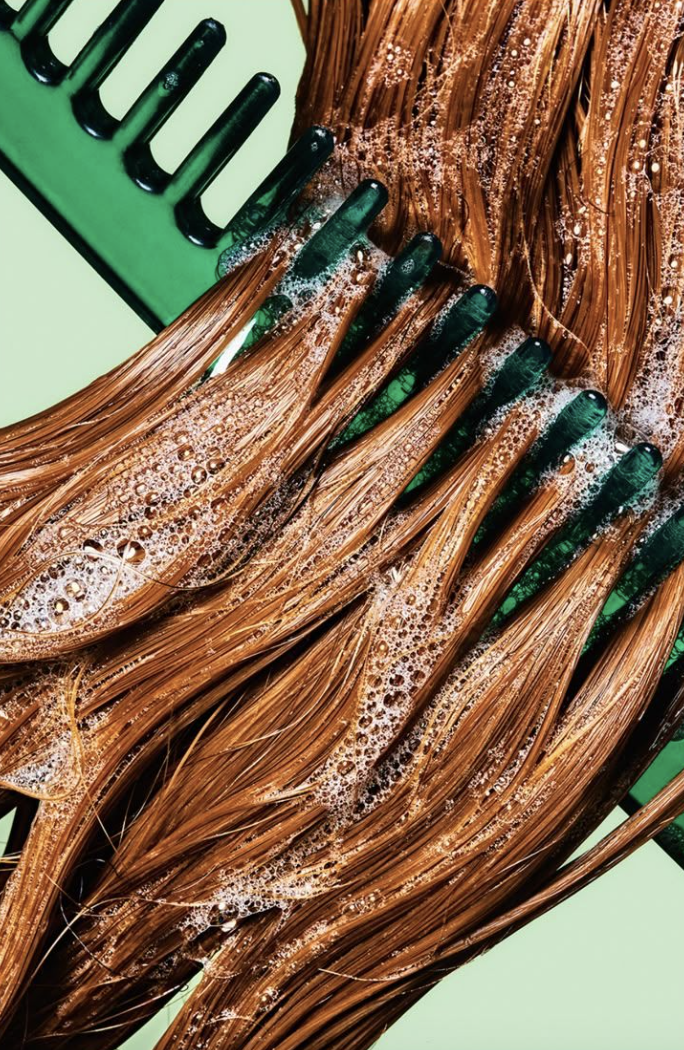
We spend a small fortune on serums, masks and bond builders, then rush the one step everything else depends on. Celebrity stylist Gustav Fouche now runs a 60-minute lesson in his Notting Hill salon to teach adults the thing nobody ever taught them properly: how to shampoo. Of course, we looked into the science behind it and it shows - he has a point.
Most of us learnt to wash our hair the way we learnt to brush our teeth: by copying a parent at around the age of four and never giving it another thought. Squirt, scrub, rinse, done, usually with one eye on the clock and the other on the conditioner. It’s the most repeated step in any haircare routine and the one we think about least.
Gustav Fouche thinks that’s where the trouble starts. In more than 20 years behind the chair, the South African-born stylist has made a habit of asking clients how they wash their hair at home. The answers have convinced him that most people do it badly, and that a lot of familiar complaints follow from it: product build-up, dryness, an itchy or inflamed scalp, and hair that never seems to grow past a certain point. His fix is now on the menu at his Westbourne Grove salon. It’s called the Shampro: a £100, hour-long, one-to-one lesson in washing your own hair.
The Case for a Lesson in Something So Basic
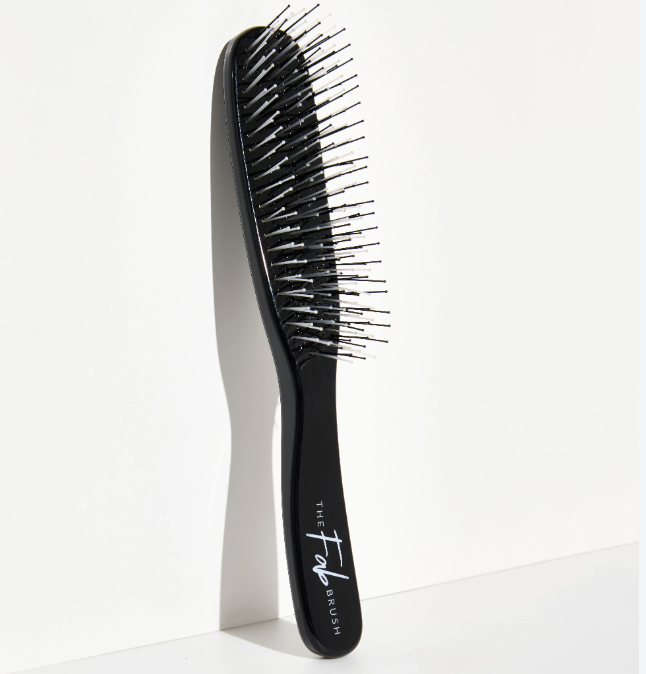
Paying £100 to be taught to shampoo sounds, at first, “so London”. But Fouche is hardly a novelty act. He started his career in South Africa in 2002, moved to the UK in 2011 to work in top London salons, and opened his own salon in Westbourne Grove in 2019. He’s a Wella Master Colourist, an educator for the brand and a judge for its Trend Vision Awards, and his 3D cuts, colour and up-dos have turned up on red carpets, in TV commercials and in editorials. He has also launched GF Fabulosity, a natural, silicone-free haircare range, with a hair brush beautiful was included in November's edition of The Well Loved List. When someone with that CV says the problem is happening at your sink rather than in his chair, it’s worth hearing him out.
His argument is a simple one. “You can’t build good hair on a scalp that isn’t clean, calm and well looked after. Washing is the foundation, and most of us have been laying it badly for decades.”
Step One: Get It Properly Wet
The lesson starts with a step most of us cut short. Before any shampoo goes on, Fouche makes sure the hair is fully wet, all the way through, not just wet on the surface where the shower first hits.
There’s sense in this. Shampoo is made of surfactants, molecules with one end that’s drawn to water and the other drawn to oil. They need water to spread, lift sebum and form a lather. Put shampoo on half-dry hair and it stays concentrated where it lands, usually on the crown, while the lengths underneath and the nape of the neck get very little. You end up using more product and cleaning less evenly. Thicker and textured hair, which takes much longer to soak through, is especially prone to this.
Start With the Water
Fouche’s lesson is about technique, but there’s one variable no technique can fix: what actually comes out of your shower. Much of London and the South East has hard water, rich in dissolved calcium and magnesium. Anyone who has descaled a kettle knows what it leaves behind. Hair is no different.
The research is still small, but it leans one way. A 2018 study in the International Journal of Trichology found hair treated with hard water was around 8% weaker than hair treated with deionised water. Not every study agrees: an earlier trial by the same Indian group found no difference in strength, and a 2017 Saudi study found more magnesium on the hair but no visible surface damage. The overall picture is of mineral build-up that makes hair rougher, duller and harder to keep clean, rather than anything that affects the follicle itself.
Where hard water may matter most is in how it interacts with shampoo. When calcium and magnesium meet the surfactants in wash products, they form insoluble residues (the same scum you see on shower glass) that cling to whatever they touch. A University of Sheffield and King’s College London study published in the Journal of Investigative Dermatology found that skin washed with hard water held on to significantly more sodium lauryl sulfate, a common shampoo detergent, and that the residue increased water loss through the skin and caused irritation. Softening the water reduced those effects. The study tested skin on the body rather than the scalp, and it was funded by a water softener company, but the scalp is skin too, and the mechanism is a plausible piece of the itchy, tight, never-quite-rinsed feeling many people put down to their shampoo.
If you live in a hard water area, filtering your shower water is one of the more worthwhile upgrades you can make to your haircare. Check what you’re buying, though. Many shower-head filters are designed mainly to reduce chlorine, so if limescale is the issue, look for one that specifically targets calcium and magnesium, or consider a whole-home softener. Between washes, a chelating or clarifying shampoo used every week or two will lift existing mineral deposits.
“You can perfect your technique, but if the water is working against you, it’s an uphill battle.”
Choosing the Right Shampoo: Make It Silicone-Free
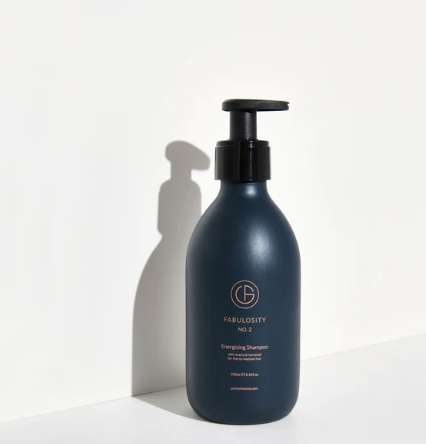
Next comes the shampoo itself. Fouche’s rule is that it should be silicone-free, and matched to your hair type. His own range, GF Fabulosity, is built on the same principle.
Silicones aren’t awful, and they aren’t all the same. They’re the reason many shampoos, conditioners and smoothing serums leave hair feeling glassy and slippery: they lay a thin, water-repellent film over the cuticle that reduces friction and reflects light. That’s also the problem. Many of the most common silicones, dimethicone among them, don’t dissolve in water. Each time you use them, a little more film is laid down, and gentle or sulphate-free shampoos often aren’t strong enough to remove it all. Over weeks, the coating builds up.
The result is hair that looks fine on wash day and then turns flat, heavy and dull far sooner than it should. Treatments struggle to get through the coating, so the expensive mask sits on top of last week’s silicone instead of reaching the hair. Combine that film with the mineral deposits from hard water and you have two layers of residue working together, which is why so many people describe their hair as never feeling properly clean.
A silicone-free shampoo means every wash starts from a clean base. If you want to check your bottle, look for ingredients ending in “-cone”, “-conol” or “-siloxane”. Not all of them are a problem: water-soluble versions, often listed with a “PEG-” prefix (such as PEG-12 dimethicone), rinse out easily. It’s the heavier, non-soluble kinds that build up.
The second half of Fouche’s rule, matching the formula to your hair type, is the one we skip most. Plenty of us still use whatever’s on offer, or whatever suited our hair ten years and two colour changes ago.
Emulsify First, Then Go Gently
Fouche doesn’t pour shampoo straight onto the crown. He rubs it between his palms first to emulsify it, then spreads it evenly through the hair. This dilutes the product, gets it started, and means the whole head gets the same amount instead of one spot taking a concentrated dose.
Then comes the part that surprises most of his students. He works the shampoo into the roots gently. The vigorous, nails-first scrubbing many of us learnt as children is exactly what he wants us to stop doing.
There’s a structural reason for this. Each hair strand is protected by an outer layer of overlapping cells called the cuticle. When hair absorbs water the strand swells, the hydrogen bonds that help stabilise its keratin are disrupted, and the cuticle lifts. Cosmetic scientists have been measuring the result since the 1970s: wet hair needs more force to comb and breaks more easily under friction than dry hair. Rough scrubbing (and, later, rough towel-drying) adds up over weeks and months to snapping and breakage at the mid-lengths, which people often mistake for hair that “won’t grow”. The hair may be growing perfectly well from the root and breaking off further down. Nails also scratch the scalp, one of the more common, and more avoidable, causes of the itching people then try to wash away.
“Hair that “won’t grow” is often hair that’s growing fine and snapping further down.”
Water, Lather and a Proper Scalp Massage
Once the shampoo is through the roots, Fouche adds warm water to build a full lather, then spends a couple of minutes massaging the scalp. The aim is to stimulate the follicles and loosen build-up: the mix of sebum, dead skin cells, sweat and old styling product that collects at the root.
This is the step most of us rush, and possibly the most valuable one. The scalp is skin, and an unusually busy kind of skin: densely packed with follicles and oil glands, and home to its own community of microbes. One of them, a yeast called Malassezia, feeds on sebum, so when oil and product build up, it can flourish. A study in the Archives of Dermatological Research found that dandruff-affected scalps showed significantly more oxidative damage to squalene, a key component of sebum, and identified Malassezia as a likely source. That matters for the hair as well as the skin. Research on scalp health suggests oxidative stress on an unhealthy scalp can affect hair before it has even emerged, which is why trichologists increasingly see the scalp as where good hair is made, not simply where it grows from. (One of the key studies here was funded by Procter & Gamble, which is worth knowing, though it doesn’t make the biology wrong, but remember we’re all about nuance.)
There’s some early research behind the massage itself, too. In a 2016 study published in Eplasty, nine healthy Japanese men used a massage device on one side of the scalp for four minutes a day. After 24 weeks, hair on the massaged side was around 8% thicker, though there were no extra hairs and it didn’t grow any faster. In the lab, the researchers found that gently stretching the dermal papilla cells at the base of the follicle switched on genes linked to the hair growth cycle and turned down one linked to hair loss. In addition, a daily hand-massage routine, has been shown to stabilise and support or regrowth. The more time they put in, the better the results they reported.
Read - Does Red Light Therapy Work For Hair Growth
Read - How To Transition Your Everything Shower For Autumn According To A Holistic Esthetician
Rinse Like You Mean It
The final step of the wash is a thorough rinse at high water pressure, reaching the scalp itself as well as the lengths, and the areas everyone misses: behind the ears and along the nape of the neck.
Leftover shampoo is one of the most overlooked causes of an irritated scalp. Surfactants left on the skin keep working long after you’ve stepped out of the shower, and residue at the hairline and nape can lead to the itching, tightness and breakouts people often blame on the product itself. A useful rule of thumb from many stylists is to rinse for longer than you think you need to, then keep going.
Then It Gets Personal
What makes the Shampro more than an expensive hair wash is the ending. Fouche tells each client how to adapt their routine to their own lifestyle and hair condition. The fine-haired gym-goer who washes daily needs different advice from someone with dense curls who washes once a week, or someone whose colour is costing them several hundred pounds a year to keep up.
That tailoring is what’s been missing from decades of haircare advice handed down from shampoo bottles. “Lather, rinse, repeat” was never written with your hair in mind. Just like your supplement routine, your hair routine is unique to you.
The lesson ends with a low-heat blow-dry (low for good reason, as high heat on wet, swollen hair causes damage of its own) and a signed Shampro certificate confirming that you’ve completed Gustav Fouche’s class. It’s a slightly absurd touch and an entirely charming one. Very few of us have ever had a certificate for something we do three times a week.
Why It’s Well Loved
It’s tempting to laugh at the idea of paying £100 to learn something we’ve been doing since childhood. But the joke isn’t really on the Shampro. It’s on how much we spend at the other end of the routine: on serums, masks, supplements and treatments, all applied to a scalp we’ve been scrubbing too hard, rinsing too fast and coating in products that never fully wash out.
That fits a wider pattern in being well: the basics are the least glamorous part of any routine and usually the part that matters most. Sleep before sleep trackers. Fibre before gut powders. And, it turns out, a properly wet head, a gentle hand and a long rinse before a £60 hair oil. From a nutritional point of view, we’d of course add that what’s happening on the scalp is often connected to what’s happening inside: protein intake, iron status, stress and inflammation all show up at the root.
You don’t necessarily need a lesson to start. Slow down the next wash, use your fingertips rather than your nails, and rinse for twice as long as feels necessary. If you want an expert to watch you do it and tell you what you’re getting wrong, Westbourne Grove has an appointment for exactly that.
Book It
The Shampro lesson is £100 for 60 minutes at Gustav Fouche, 82 Westbourne Grove, Notting Hill, London W2. gustavfouche.com / @gustav_fouche
Words by The Well Edit.
FAQ
-
According to stylist Gustav Fouche, yes. The most common mistakes are applying shampoo to hair that isn’t fully wet, scrubbing too hard with the nails, skipping a proper scalp massage, and not rinsing thoroughly, particularly behind the ears and at the nape of the neck.
-
Studies suggest hard water leaves calcium and magnesium deposits on the hair, making it rougher and duller, and one found it reduced hair strength by around 8%. Hard water also leaves more shampoo residue behind on the skin. A shower filter that targets limescale, or a water softener, plus an occasional chelating shampoo, can help.
-
Many common silicones, such as dimethicone, don’t dissolve in water and build up on the hair with repeated use, leaving it flat and dull and stopping treatments from reaching the hair. A silicone-free shampoo means each wash starts from a clean base.
-
When hair is wet, the strand swells and the protective cuticle lifts, so it breaks more easily under friction. Using your nails can also scratch and irritate the scalp. Gentle fingertip pressure cleans just as well.
-
Build-up is a mix of sebum, dead skin cells, sweat and styling products, and heavier water-insoluble silicones can add to it. Excess sebum also feeds the scalp yeast Malassezia, which is linked to dandruff and oxidative stress on the scalp.
-
Early research is promising but limited. A small 2016 study found that four minutes of daily scalp massage over 24 weeks increased hair thickness, and a 2019 survey of people with pattern hair loss found most reported stabilisation or regrowth. Larger controlled trials are still needed.
-
The Shampro is a 60-minute, £100 lesson at Gustav Fouche’s salon at 82 Westbourne Grove, Notting Hill. It includes a low-heat blow-dry and a signed Shampro certificate.
The content published by The Well Edit is for informational and educational purposes only. It is not intended as, and should not be relied upon as, a substitute for professional medical, health, nutritional, legal, or financial advice. While articles may reference insights from qualified practitioners or experts, the views expressed are their own and do not necessarily reflect the views of The Well Edit. Always seek the guidance of a qualified professional before making changes to your diet, lifestyle, supplementation, or healthcare routine.
Use of any information provided is at your own discretion and risk.