
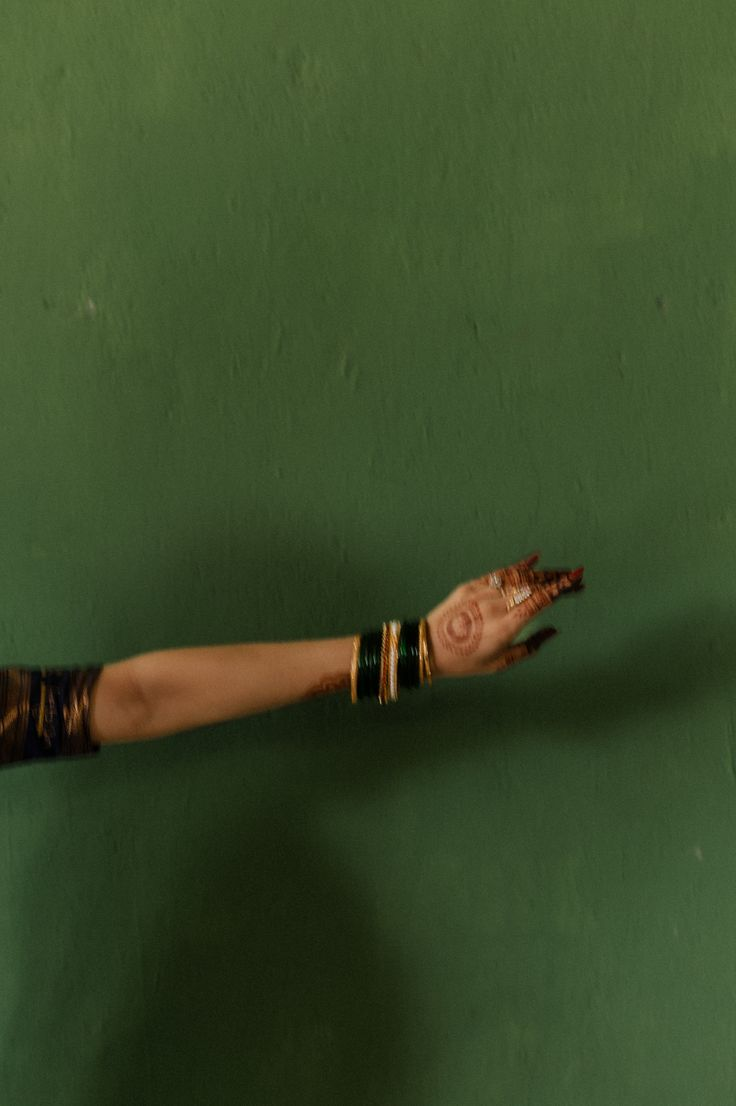
Soaked almonds before school, Sunday face masks, a grandmother's spice blend and a seed for a tummy ache. For Diwali, we sat down with five founders of Indian heritage on what the women in their families taught them, and how it became the foundation of what they've built.
There's a phrase my Mum says to me more often than she probably realises. I'll be oiling my hair before a wash, or sipping saffron tea, or watching myself rubbing my stomach in circular motions if things feel a little stagnant, and she'll look over and say, "Ah, your Ma used to do that." Ma was my grandmother.
It always stops me. I'm of Indian heritage, and so much of what I now do in clinic, and recommend in these pages, I absorbed long before I had the vocabulary for it. Long before anyone called it wellness. It was just what you did. It was Sunday evening and what your grandmother did, and her mother before her.
Diwali, the festival of light, felt like the right moment to ask other women where their rituals came from. So I spoke to four founders working across chai, brows, oils and henna, and, for once, answered the same questions myself. Every one of us, when asked where it all began, went straight back to a kitchen, a bathroom, or a Friday night at home.
Mira Manek, founder of Chai by Mira and author of The Book of Chai
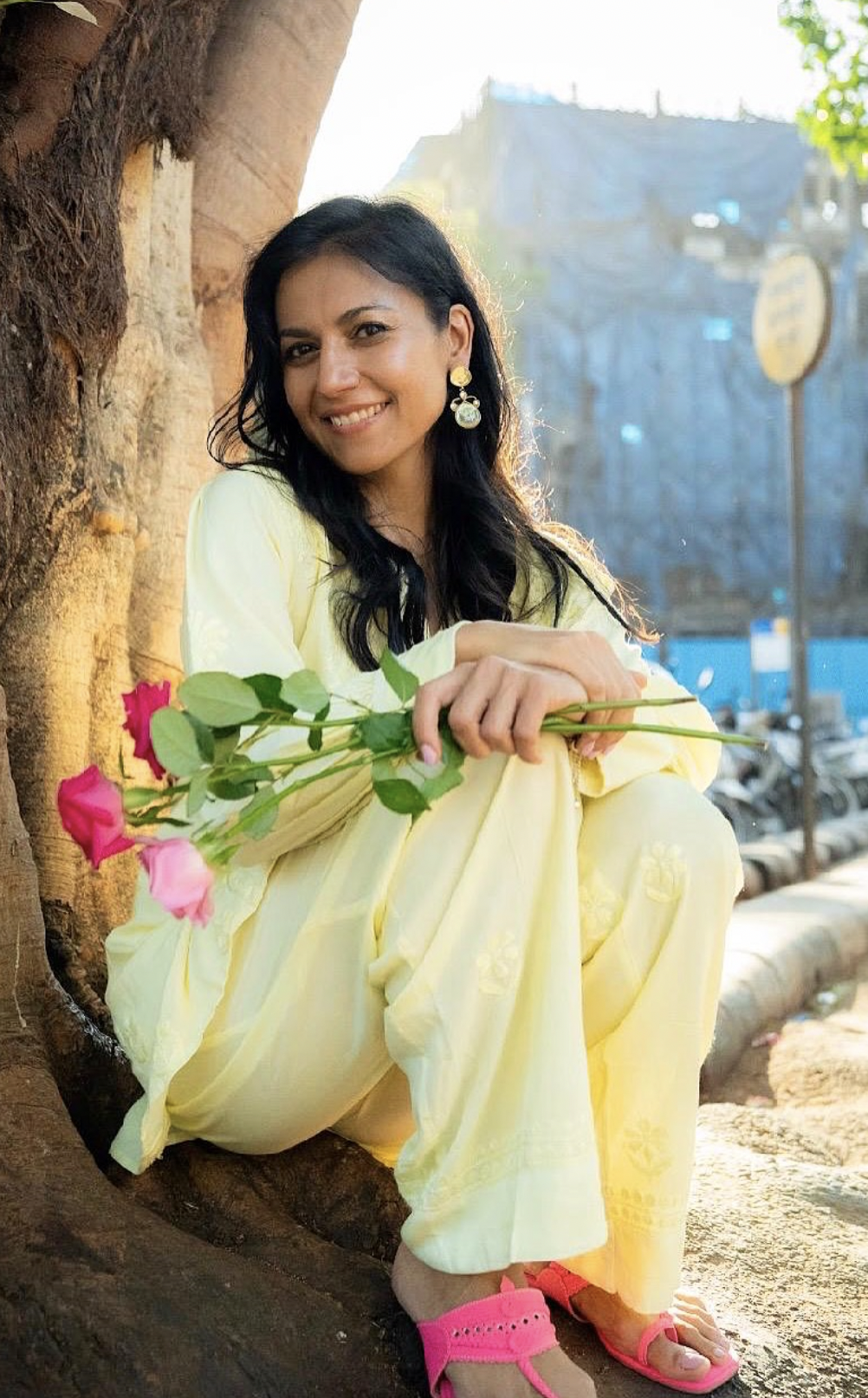
"Everything I make comes back to the same thing: bringing the everyday rituals I grew up with in India's culture into modern life, in a way that feels easy rather than precious. Alongside Chai by Mira, I've written three books: Saffron Soul, a cookbook; Prajna, on Ayurvedic rituals for happiness; and most recently The Book of Chai, the history, stories and recipes behind India's most-loved drink.
"The memory of waking up to the smell of sweet chai and puri on weekends is so vivid I can almost smell it each time. As children, we'd have ukaro instead: milk boiled with my grandmother's spice blend and sugar, with no tea and no caffeine. It's this spice mix that I took across the world, wherever I lived and on all my travels, and it's this spice mix that inspired, and is the foundation of, Chai by Mira.
"About ten years ago, I'd work in cafés and wonder why the chai latte was so light on spice and so high on sugar, and I thought, why don't I create a blend? In between, I wrote books and launched a café, but the blend stuck. It's spices and coconut sugar you can use in a traditional masala chai.
"To me, Ayurveda is sprinkling your daily life with simple rituals that needn't take long but that you can be consistent with, and that together make the biggest difference to life, health and happiness. It's not a label, nor is it a list of foods. It keeps digestion as the focus, because good health starts with good digestion. Cooking with spices, eating cooked foods, leaving gaps between meals, moving first thing in the morning: all of it aids digestion.
"My mornings start with warm water and a coarse blend of ground spices: cinnamon, cardamom, cumin, coriander, black peppercorns, cloves, fennel and carom seeds, for warmth and digestion. I still love a coffee, an oat flat white these days, but there's always a moment for a slow chai when I'm at home.
"For me, Diwali has always been as much about the run-up as the day itself. There's Dhanteras, when a small puja is done on a coin to bless the family's wealth and invite abundance; Kali Chaudas, for warding off negativity; and then Diwali, celebrating the victory of light over darkness.
“Good health starts with good digestion.”
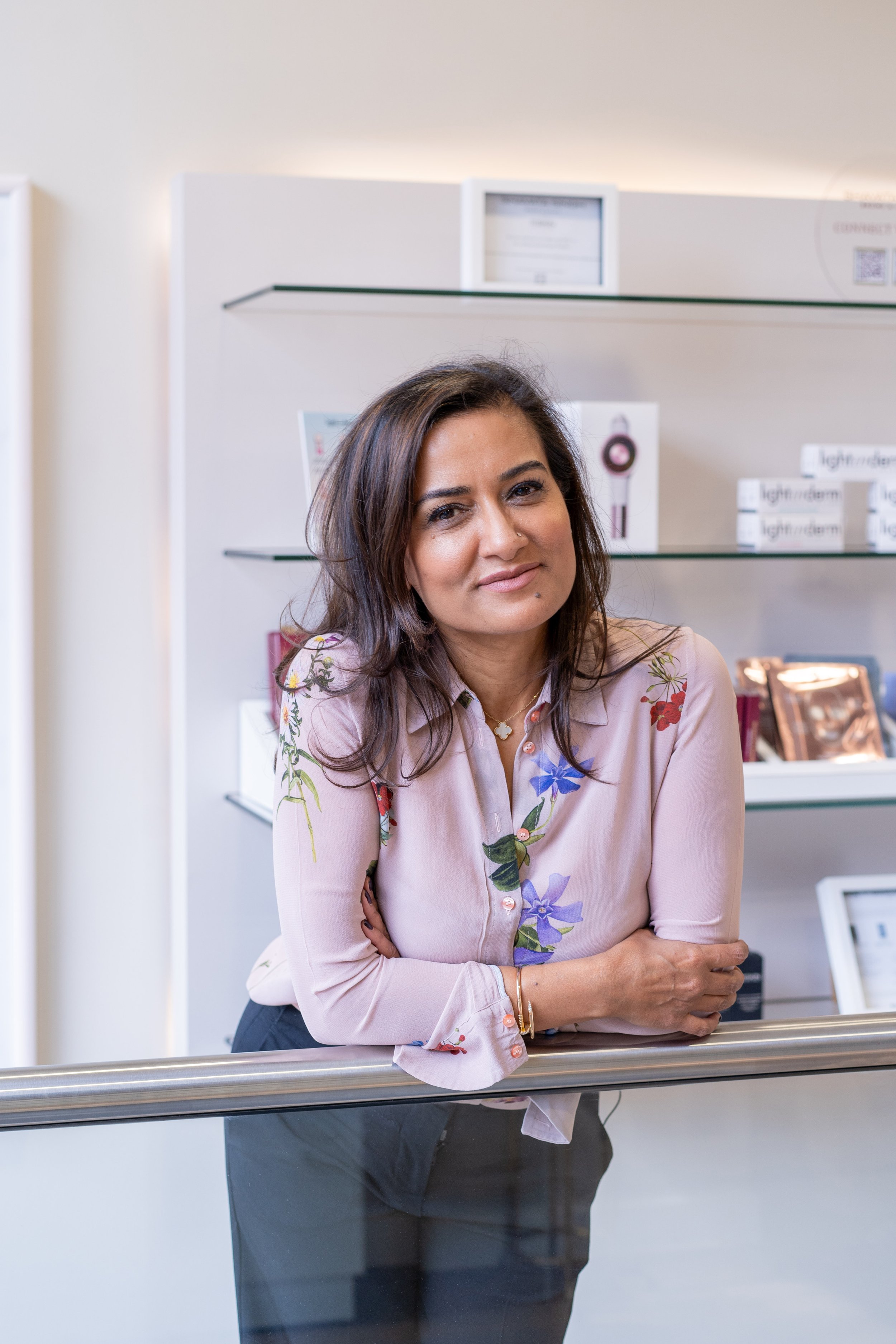
Shavata Singh, founder and creative director of Shavata Singh Brows & Lashes
"I've spent over 20 years specialising in brows and lashes, it's never just been about removing a few hairs but understanding someone's face and giving them confidence. My philosophy is simple: less is always more. And one of my favourite products is our Brow Tamer, because maintaining beautiful brows at home matters just as much as the treatment.
"Some of my earliest beauty memories are Sundays at home with my mum and sister. We didn't have hundreds of products to choose from, so we made our own: gram flour, turmeric and yoghurt mixed into a face mask. It was our little Sunday ritual. Looking back, it wasn't just about beauty; it was about family, sharing and passing down little traditions. My mum also taught me the importance of natural oils, particularly castor oil for the hair.
"Growing up in an Indian household, these approaches weren't presented as trends; they were simply part of everyday life. The principle I still live by is that consistency matters more than quick fixes. Everyone wants instant results, but the most beautiful results come from understanding yourself and looking after yourself over time. That's my approach to brows, too: balance, individuality, and knowing when less is more.
"One ritual I've never given up is oiling my hair with organic castor oil at least once a week. My mum taught me a trick, which I always share because so many women avoid oiling because it's hard to wash out: apply your shampoo directly to your dry, oiled hair before you get in the shower. Massage it in first, then gradually add water and wash as normal. Once you discover this, you'll never use washing out as an excuse again!
"Diwali, for me, is about family, light, gratitude and new beginnings. I'd love the next generation to carry forward pride in their heritage, but also the confidence to make it their own. Tradition doesn't have to stand still. Beauty isn't about trying to be someone else. It's about embracing who you are and having the confidence to let your own light shine. That's what Diwali represents."
Anita Kaushal, co-founder of Mauli Rituals
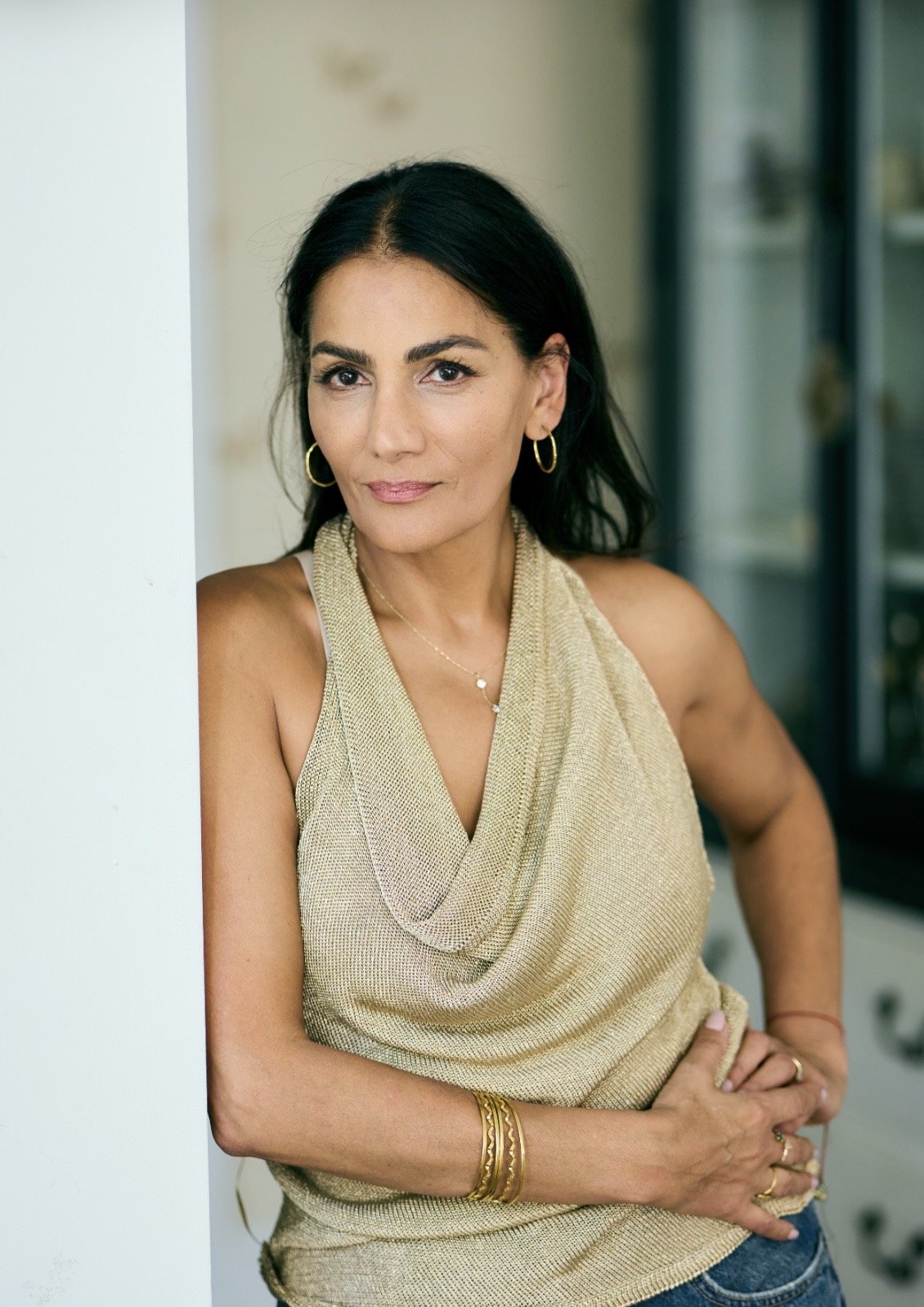
"Mauli Rituals is a British-made brand of sensorial self-care inspired by my Ayurvedic lineage. I love all our products, especially our hair oil, dry oil, bath oil and lip balm, but if I had to choose one, it would be our Supreme Skin Face Serum, formulated with the most glorious, high-performance botanicals.
"My first memory is of my mother getting dressed: silk saris with a simple polo neck or cardigan on top, her hair in a bun, oil on her skin, a dash of lipstick and rose-infused perfume. She was incredibly chic and simple. She would soak almonds overnight, peel them in the morning and give each of us five to eat before school. Friday nights were reserved for Indian head massages, a standout ritual amongst so many that we cherished dearly.
I believe we are our own best physicians and need to listen to our bodies rather than numbing them with distractions. Some days I do really well and other days I falter, but I always know the tool kit to get me back on track.
"I came to it before it was a trend, when even the word wellness was barely used. I wanted to follow my passion and keep my heritage alive, and it found its way to a wider audience. I don't dilute it, but I try to make the language easy to understand, because I want our products to be a portal to something deeper.
"On most days, I start with meditation, an uplifting book, yoga, oil pulling, tongue scraping and body oiling. I end with a warm bath, our sleep rituals, meditation and reading. By topping and tailing my day in the same way, I find what happens in between can change and it won't throw me. I've always felt comfortable in a sari, and it's not unusual for me to wear one even for food shopping.
Pavan Ahluwalia-Dhanjal, founder of Pavan Beauty
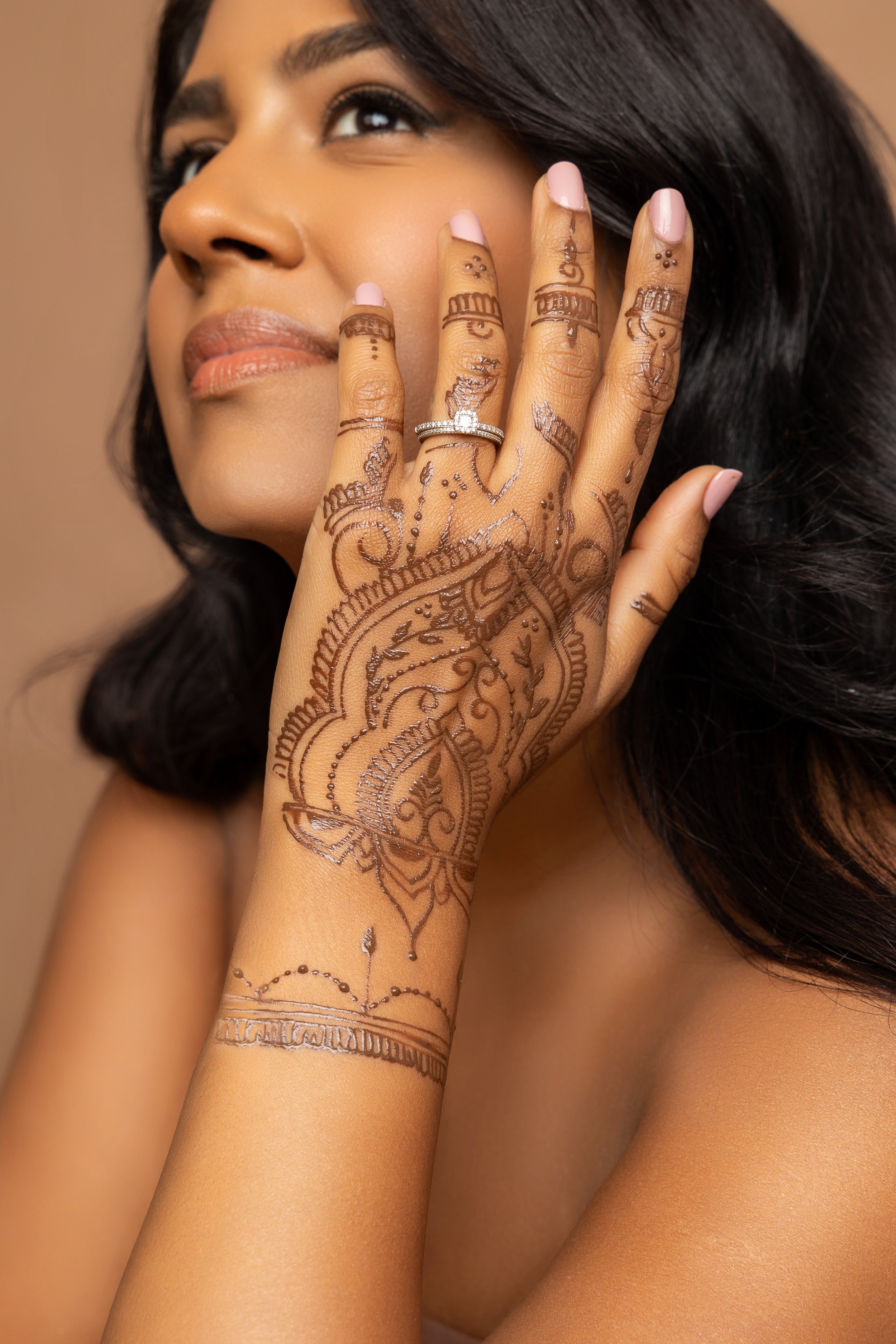
"I started Pavan Beauty when I was 15, with a simple love for henna and a belief that it deserved a place in mainstream beauty. Over the years I've taken it from weddings and celebrations to fashion, beauty counters and runways, and we opened the world's first henna bar in Selfridges. My favourite practice will always be applying henna. Even now, I find it incredibly therapeutic: sitting with someone, having a conversation and creating something completely unique on their skin. I also love that henna is temporary. It teaches you to enjoy something beautiful without needing to hold on to it forever.
"The first remedy I remember is my Nani Ma, my grandmother, giving me ajwain, carom seeds, for a tummy ache. I was so young and genuinely fascinated that something so simple could make you feel so much better! My mum was a beauty therapist trained in Ayurveda, so natural remedies, beauty rituals and looking after yourself were simply part of everyday life. It's those little things you don't appreciate as a child, but understand so much more as you get older.
"So many things we grew up doing are now being repackaged and sold back to us as wellness trends. Ayurveda was never a trend in our household; it was a way of life.
"I didn't have a grand business plan at 15! I remember my first pop-up in Topshop on Oxford Circus, seeing people from all different backgrounds wanting henna. It wasn't that people weren't interested; they just hadn't always had access to it. One of the biggest misconceptions is that making something mainstream means watering it down. I've never believed that. Henna is for everyone. You don't have to be South Asian to appreciate its beauty, but you should respect its origins.
“Chai is one of those rituals that instantly makes me feel at home, wherever I am in the world. I love Pilates, swimming and the sauna, and I've started incorporating more prayer and reflection. I'll happily wear a pair of jhumkas with a very Western outfit. Being British Indian, I love taking elements from both cultures. Heritage isn't something I bring out on special occasions. It's woven into who I am.
“These days I also celebrate Diwali through my work, hosting henna nights and creating spaces where people from all backgrounds can experience our traditions. I hope the next generation feels proud of their heritage and never feels they have to make it smaller to fit into a particular space.”

Eleanor Hoath, founder and editor of The Well Edit and founder of The Well Nourished Clinic
"I'm a registered nutritional therapist, and my work sits where clinical research meets ancient wisdom. My favourite practice, and the one I'd never give up, is my Sunday evening hair oiling.
"My first memories are of cooking in my Aunties kitchen and learning how different flavours, spices and herbs change how the body feels, particularly from a digestive perspective. I had a lot of tummy problems as a child, so my Ma (grandmother) would make digestive elixirs and massage my tummy to help. Looking back, that's where my work began. I've since been able to resolve those digestive problems by using clinical research and personalised plans alongside that ancient wisdom, and that combination is at the heart of everything I do in clinic and on The Well Edit
"Something that always sticks with me is how many of today's fashion trends are things I was teased for as a child. A giant scrunchie wrapped around a bun at the back of my head. A YSL crop top that looks remarkably like a sari blouse. As Saroop Sangha once said on the SheerLuxe podcast, these things have become fashionable, but they're things we've always been doing
"The same goes for Ayurveda. Brands are now selling hair oiling, silk and scalp nourishment as a 'trend', when it's something we've always done.
"I'm fortunate to come from a mixed heritage, which means I understand where my Indian heritage originally came from. When I read clinical papers, I can nod to those Ayurvedic principles and also understand the science behind why they work. I'm very much against diluting these practices for a global audience, and I always want them to be credited with where they came from.
"You'll always find me with a hair oil or mask in on a Sunday evening while I prepare for the week ahead. That's a non-negotiable. When things are busy and I'm feeling anxious, I'll make a herbal blend of saffron tea, which really helps to calm and nourish my nervous system, or reach for triphala when my digestion feels a little stuck. Something I find interesting about fashion now is how we're seeing so many scarves that echo the dupatta of a traditional Indian suit, and that's something I’ve bought into how I dress too, without really making a conscious effort to.
"For me, Diwali is all about bringing people together, celebrating each other and celebrating light, over nourishing but also delicious home-cooked food. That's what I hope to carry into my own family, and to share with my clients and readers. Food doesn't have to be something we only make medicinally, to heal. There's healing in the act of making it in the first place."
Words by Eleanor Hoath for The Well Edit
The content published by The Well Edit is for informational and educational purposes only. It is not intended as, and should not be relied upon as, a substitute for professional medical, health, nutritional, legal, or financial advice. While articles may reference insights from qualified practitioners or experts, the views expressed are their own and do not necessarily reflect the views of The Well Edit. Always seek the guidance of a qualified professional before making changes to your diet, lifestyle, supplementation, or healthcare routine.
Use of any information provided is at your own discretion and risk.