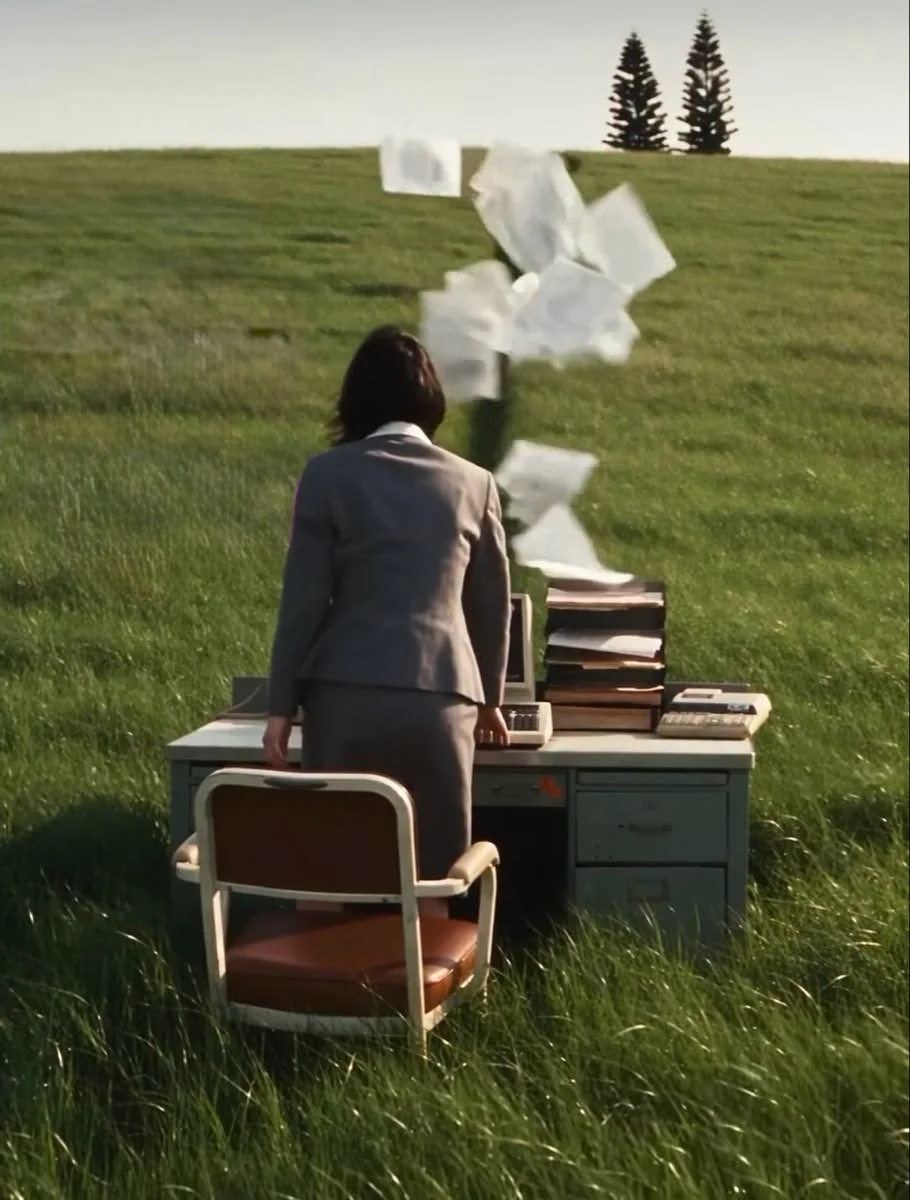
Let’s cut to the chase: sometimes, we enter periods of life when our professional gears are turned up a notch - or several. Now, in the middle of my twenties, I find myself learning to dance with increasing responsibilities at work, the demands of city living, keeping up with friends, and finding ways to take care of myself in the process. It’s certainly given me a whole new level of appreciation for all the parents out there doing all this and more!
Here’s what I’ve learned from my 12-hour workdays, and what I’d like to pass on. Of course, everyone’s experience of a 12-hour workday is different, so take what resonates and leave the rest.
As someone who lives and breathes health, I’ve learned that our standards sometimes need to shift during periods of intensity. The first step is recognising where you are and what you can realistically manage. Health exists in cycles, and the practices that serve us in one season of life don’t have to - and sometimes shouldn’t - look the same in another.
Some of these tips are practical, some are a little silly, but all are things that made my days brighter..
Sleep Trumps Exercise, Any Time, Any Day
Early-morning exercise stimulates the sympathetic nervous system, increasing catecholamines such as adrenaline and noradrenaline, which mobilise stored energy, promote fat breakdown, and increase alertness. This isn’t a bad thing, but if you’re already quite stressy with work, sleep will likely do you better than that 6 AM lift class. I’ve learned through trial and error. Sleep will set the foundation for the rest of the day.
Per Eleanor: Green time before screen time
As El says, green time before screen time is a real thing. Before diving into emails, try getting outside, noticing a leaf, feeling the sun on your face, or giving a tree a hug (yes, really). Research suggests that spending time in natural environments can benefit psychological wellbeing, although the effects vary between individuals and settings.
And when it's time to get back to the screens? I'm a fan of blue-light-blocking glasses, particularly EMR-Tek, which I wear when working at my computer or under fluorescent lighting. If this isn’t for you, taking regular screen breaks, adjusting your display brightness, and giving your eyes a chance to focus on something in the distance are all sensible ways to look after yourself during a long workday.
Breakfasting with Make-Ahead Egg Pot
When you're heading into a long day, breakfast shouldn't become another task on your to-do list. My solution is a make-ahead egg pot: grease a small oven-safe glass dish with ghee, add two eggs, then bake in a toaster oven at 180°C for approximately 10 minutes, or until fully cooked. Once cooled, add chopped dates, a tablespoon each of tahini, raw almonds, and hemp seeds, plus a pinch of Baja Gold salt, and refrigerate. Pop it into your bag the next morning!
It's a convenient combination of protein, fats, carbohydrates, and minerals to help you start the day nourished.
Nutrition per serving (approximate):
Calories: 430–480 kcal
Protein: 22–25 g
Carbohydrates: 25–30 g
Fat: 28–33 g
Fibre: 5–7 g
Make Caffeine a Choice, Not a Coping Mechanism
My personal rule is one cup of coffee a day, after breakfast and around 10 am. Cortisol naturally rises about 35 minutes upon waking to help prepare us for the day, and caffeine can stimulate additional cortisol release. Although research hasn't established that delaying coffee prevents a cortisol spike, I like giving myself time to wake up, nourish my body, and hydrate before introducing caffeine.
Before my coffee, I hydrate with minerals - I'm biased towards BodyBio ReMineralize, which provides 250 mg of magnesium per serving. Magnesium supports normal nervous-system and muscle function, and maintaining adequate intake is particularly important during demanding periods. This is particularly helpful in stressful times when we utilise more magnesium.
For the rest of the day, I rotate through fresh mint tea or a mixture of cacao, maca, and cinnamon (that I keep in a small repurposed jam jar that I carry with me) in hot water.
Time-Block Your Tasks, Not Just Your Meetings
It's easy to spend an entire day in meetings and finish with the work you actually needed to do still waiting for you. Instead, block out dedicated time for focused tasks and emails - it’s a way of tracking your capacity, making your workload visible, and minimising things falling through the cracks.
On my Sunday nights, I like to think of the top tasks that I’d like to push across the line for the week ahead. I block them out with the estimated time I think it’ll take to achieve them. I treat them as blocks of commitment to my future self’s success.
It’s less about reactivity, more about preparation.
Move Your Body Without Adding Another Workout
Long workdays often mean long periods of sitting or standing in one position. Build small movement breaks into your day: walk around the block, take the stairs, stretch your shoulders, jumping jacks (yes, I am notorious for doing this at conferences), or try a short sequence of qigong movements.
In particular, I’m a fan of starting the morning with a short lymphatic sequence. Your lymphatic system helps return excess tissue fluid to the bloodstream and plays an important role in immune function. Unlike the circulatory system, it doesn't have a central pump, so muscle contractions and movement help support lymph flow. My osteopath friend Deidre Nazareth has so many great videos on her Instagram like this one.
Whatever you do, think of these breaks as a way to reconnect with your body between tasks, rather than another item to optimise.
Read - The Structural Shift: What Fillers Mean for Lymphatic Movement
The On-the-Go Broth Break
When the plane gets delayed or dinner seems farrrr away, having something nourishing and easy to prepare can make all the difference. I like keeping Freja bone broth packets on hand for a quick, warming drink with a little protein boost. If I’m not in an office, I ask the local Pret-A-Manger for a cup of hot water, and in goes my powdered broth!
Pre-Communicate Your Capacity with Friends and Family
If you're a people pleaser, a particularly demanding work period can be a reality check. Suddenly, the dinners, casual catch-ups, and regular calls to family that once fit comfortably into your 9-to-5 routine become harder to commit to. And when you're used to showing up for everyone, learning to acknowledge your own limits can feel uncomfortable.
Through the trials and tribulations of this season, I've learned to communicate my capacity early. A simple message explaining that you're having a particularly busy week and might be slower to reply can go a long way. At the same time, maintaining relationships matters, even when your diary is full. Sometimes, connection is not a dinner reservation and more like a thoughtful voice note, a ten-minute phone call, or being honest about what you can realistically offer.
You don't have to be available to everyone, all the time and in the same ways, to be a good friend or family member. Give yourself some grace.
The Riccardo Rule
Sometimes, the thing that keeps you grounded has nothing to do with a supplement or meditations. For me, it was talking to my doorman, Riccardo.
This man has seen me in every iteration of my 24-hour day. Coming downstairs to collect parcels for a BodyBio event at 11 pm, only to turn around and deliver them to the venue at 5:30 am. We speak in English or Italian, about little things like jazz or big things like the consequences of putting pressure on yourself. Amid all the logistics, those conversations reminded me that tasks aren’t always about being checked off, but experienced. And these conversations are part of the experience.
Find your own version of this. It could be making tea away from your desk or listening to your new theme song on the way to work. A small, familiar ritual can provide a sense of continuity when everything else feels hectic.
One Hour to Come Back to Yourself
There were moments during my 12-hour-workday stretches when it felt as though my job was me, and I was my job. I loved what I was doing, but I struggled to see when the loop would end.
I started practising qigong with a friend back in the States for an hour every Sunday, and it became one of the most healing parts of my week. She's known me with and without my job, and although we've practised many of the same movements for five years, they feel different every time. That hour reminds me how much bigger our lives are than whatever is occupying our minds that week.
For you, it might be prayer, time in nature, or a conversation with someone who knew you long before your current role. Connect with something that reminds you of the bigger picture. This, too, shall pass.
Outsource What You Can
Here's a little luxury I wholeheartedly recommend if it's within your budget: book a cleaner at the end of a particularly demanding month. When you've spent weeks juggling deadlines, events, and responsibilities, coming home to a clean space can feel like a weight has been lifted.
Your home environment is part of your wellbeing, too. Reducing the number of chores waiting for you after work can free up time for rest, cooking, seeing friends, or simply doing absolutely nothing. You don't need to earn the right to rest, but sometimes investing in practical support makes it easier to prioritise it.
Take a Bath!
When the day is finally over, swap your usual shower for a warm bath. I love adding a cup of Epsom salts, two tablespoons of baking soda, and a little lavender essential oil (my favourite is Tisserand's organic lavender) with sound-bowl music playing in the background.
The science behind this? Research suggests that a warm bath taken approximately one to two hours before bedtime may help people fall asleep faster. Epsom salts, which contain magnesium sulfate, can soothe tight, sore muscles; baking soda can alter the water's pH and may help soften the bathing experience; lavender essential oil contains high levels of linalool and linalyl acetate, which interact with the central nervous system and help calm sympathetic nervous system activity.
Your note to take to bed
At the end of the day, I’m learning that looking after yourself during a demanding season is often about doing small things for yourself. You might not have time for your usual workout or the post-work pub hangout, and that’s okay.
12 hour work days are not sustainable in the long term, but if you find yourself in one of these periods, I hope you find these tips helpful!
Reminder: You can be ambitious and still need rest. You can love your work and still need a life outside of it.
Words by Kayla Butera for The Well Edit.
The content published by The Well Edit is for informational and educational purposes only. It is not intended as, and should not be relied upon as, a substitute for professional medical, health, nutritional, legal, or financial advice. While articles may reference insights from qualified practitioners or experts, the views expressed are their own and do not necessarily reflect the views of The Well Edit. Always seek the guidance of a qualified professional before making changes to your diet, lifestyle, supplementation, or healthcare routine.
Use of any information provided is at your own discretion and risk.