
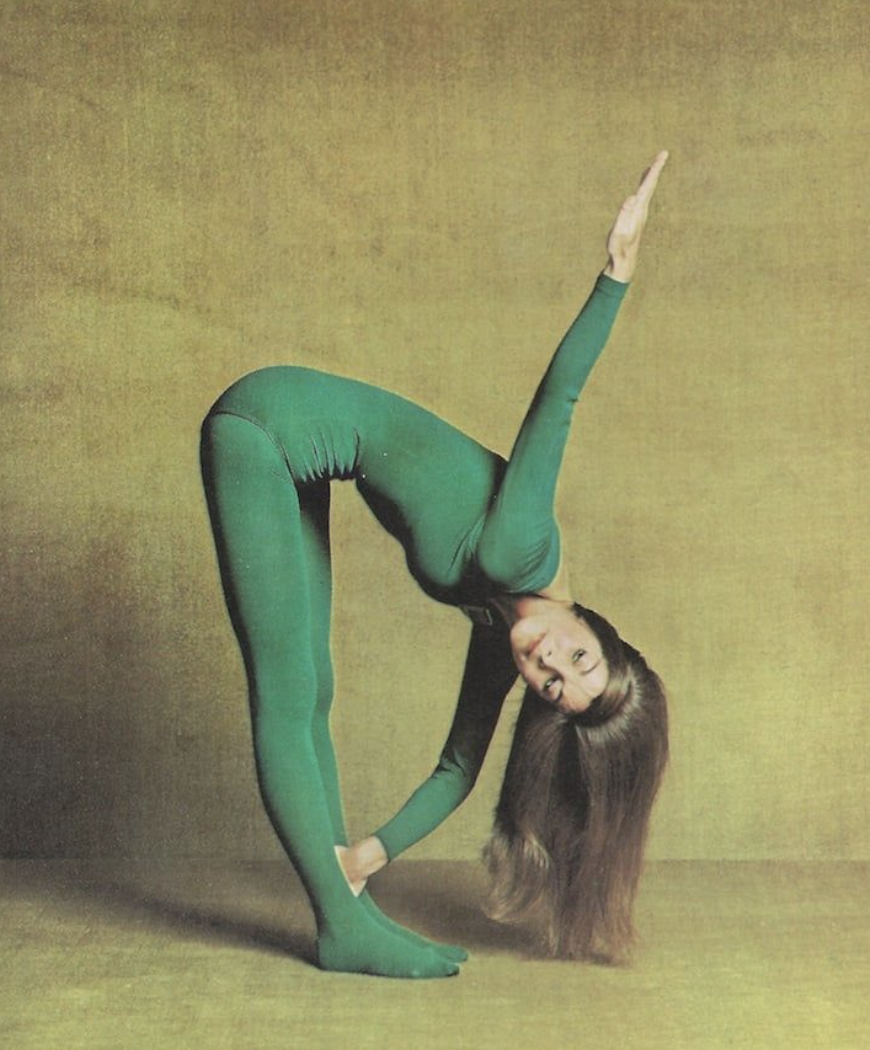
Reformer Pilates has never been more popular, or more misunderstood. Former Goldman Sachs banker turned Pilates teacher Sabrina Ovadya on what the method is really for, why more springs don't make a better workout, and the link between your breath, your pelvic floor and your gut.
Reformer Pilates is now one of the most recognisable workouts in the world. It has its own aesthetic, its own soundtrack and its own content economy: the matching sets, the low lighting, the springs loaded heavier every week. Somewhere along the way, a method built on precision, control and a teacher who really looks at the body in front of them has, in many studios, become something closer to a cardio class on a sliding carriage.
Sabrina Ovadya came to me through a gut specialist, which is not how Pilates teachers usually arrive in my inbox, and I took that recommendation seriously. She teaches privately and across some of London's most respected wellness spaces, including Bulgari Hotel, Lanserhof at The Arts Club and Tramp Wellness. She trained with Body Control Pilates, has learnt from master teachers including Mary Bowen, one of the last Pilates Elders to have studied directly with Joseph Pilates, and now runs small countryside retreats that pair movement with sound healing. Before any of that, she spent more than a decade in investment banking.
I wanted to know what "true" Pilates means to someone who has seen the method from both sides of a demanding life, and why her clients have stayed with her for years.Words by Eleanor Hoath and Catherine Hurley for The Well Edit.
FROM GOLDMAN SACHS TO THE REFORMER
Sabrina's first career was at Goldman Sachs, first in New York and then in London. She is careful not to tell it as an escape story. "I genuinely enjoyed many aspects of that world," she says. "It was fast-paced, intellectually stimulating, and I worked alongside some incredibly talented people. But it was also very demanding, and over time I found myself struggling to create any real balance in my life."
The turning point was physical, and frightening. "One night I ended up in the cardiac unit of a hospital, convinced I was having a heart attack. Thankfully, it wasn't. It turned out to be a panic attack, the only one I've ever experienced. Looking back, I think it was the culmination of years of stress, constant demands and not making enough time for myself."
She didn't hand in her notice the next morning. "It took me almost a year to find the courage, make a plan and finally leave." Pilates was the obvious next step. "I'd always been passionate about fitness, movement and the human body, and I'd loved teaching since I was a child. Pilates brought those interests together in a way that felt completely natural."
She doesn't treat banking as a chapter she has closed. "I brought the discipline, professionalism, attention to detail and strong work ethic from my corporate career into my teaching," she says. It also gave her an instinctive understanding of the people she now teaches.
“I know what it’s like to have a demanding career and very little time for yourself. I never want exercise to feel like another obligation on someone’s to-do list.”
WHAT "TRUE" PILATES ACTUALLY MEANS
Ask ten teachers to define classical, modern and "true" Pilates and you'll get ten answers, often heated ones. Sabrina's view is likely to divide purists. "If an exercise is true to the principles of Pilates, it can be Pilates," she says. "This might raise a few eyebrows, but to me, the principles matter more than whether an exercise looks exactly as it did in Joseph Pilates' time."
Her reasoning is practical. "Joseph Pilates couldn't have anticipated how much of our lives would eventually be spent sitting at desks, looking at screens and using smartphones. We move far less than people did a few generations ago, and that has had a significant impact on our posture and the way our bodies function." The foundations stay the same: control, precision, concentration, centring, flow and breath. How they are applied may need to change. "That might mean incorporating more spinal extension or opening through the chest to counteract what we do on a daily basis."
For Sabrina, what reformer culture has lost isn't the classical repertoire. It's the thinking behind it. "What has been lost is a proper understanding of why you are teaching an exercise and who you are teaching it to. In some settings Pilates has become quite a cookie-cutter approach, with very large classes and little individual attention. You can end up teaching exercises that don't necessarily make sense for the body in front of you." She is quick to add that group classes still have their place. "Don't get me wrong, they can still be fun!"
What concerns her more is training. "I'm concerned about the growing number of instructors with limited training and understanding of anatomy. The reformer is an incredible piece of equipment, but it is only as effective as the person teaching on it."
“Simply piling on the springs to make everyone sweat doesn’t necessarily make for a better workout. Sometimes the real challenge is learning to move with greater control, precision and awareness.”
True Pilates, as she puts it, is "thoughtful, individualised and rooted in a clear understanding of the body. It should challenge you, but it should also make sense for you."
A SUITCASE FULL OF TOOLS
Body Control Pilates gave Sabrina her foundation. Workshops with master teachers, including Mary Bowen, gave her a feel for where the method came from. What stayed with her about Bowen wasn't a particular exercise. "What I remember most about Mary was her incredible energy, liveliness and enthusiasm. It was genuinely inspiring to see someone with so many years of experience still so passionate about what she does."
The bigger lesson from that lineage is that Pilates is a way of thinking, not a set routine. "Pilates is so much more than a collection of exercises. There is a purpose behind every movement, and understanding why we do something is just as important as knowing how to do it." Different bodies need different cues, modifications and levels of resistance for the same exercise, so a teacher has to know a lot of exercises and know when each one fits. She quotes one of her own teachers: "A good Pilates teacher needs a suitcase full of tools, and the real skill lies in knowing which one to take out and when."
That applies to the same body on different days, too. "Someone might arrive feeling strong and energetic one day, but tired or stressed the next. As a teacher, you need to recognise that and adapt the session accordingly, rather than simply follow a predetermined routine." It's why every session starts with the same question. "I always ask my clients how they feel that day, and it is not just to make conversation. Their answer genuinely influences our session."
INSIDE A SESSION WITH SABRINA
If you're expecting the opposite of a fast reformer class, something hushed and painfully slow, that isn't what she teaches. "I love a dynamic, challenging workout myself, and I certainly don't think Pilates needs to be slow to be effective," she says. "I actually spend quite a bit of time choosing music that's fun and motivating for my sessions."
What sets her sessions apart is how closely she watches. "I'm constantly observing alignment, breathing, muscle engagement and where someone might be compensating without even realising it. Sometimes the smallest adjustment can completely change how an exercise feels and how effectively someone performs it."
She builds in stages: foundations first, then refining technique, then progressing the exercises, knowing "when to challenge someone further and when to adapt or pull back." She also wants clients to understand what they're doing, rather than just follow along. "When they start recognising what they should be feeling and how their bodies move, that's when I think real progress happens."
Precision isn't the same as constant correction, though. "I never want my sessions to feel overly technical or full of constant corrections. There's a balance between being precise and allowing someone to enjoy the movement, find their flow and feel successful."
“Good Pilates should be challenging, but it should also feel good.”
THE GUT CONNECTION
Given how Sabrina reached The Well Edit, I wanted to know how she sees the link between Pilates and digestion. It isn't something most people link to the method, she admits, but the anatomy explains a lot.
It starts with the breath. "The diaphragm, deep abdominal muscles and pelvic floor work together as a coordinated system, helping to regulate pressure within the abdomen," she explains. "When we inhale, the diaphragm descends, pushing the organs downward, and the pelvic floor responds to the change in pressure by relaxing and expanding. As we exhale, the diaphragm moves back up into the chest cavity and the pelvic floor muscles gently lift." Learning to breathe well and coordinate those muscles, she says, helps us manage that pressure more effectively.
Then there's the nervous system. "Stress can have a significant impact on digestion, and many of us spend much of our day in a heightened state of tension without even realising it. The controlled breathing, concentration and mindful movement involved in Pilates can help us slow down and relax, which may indirectly support digestive function."
The pelvic floor is the part people usually get wrong. "People often think pelvic floor health is only about strengthening, but the ability to relax and release those muscles is just as important, particularly when it comes to bowel movements. Constantly gripping the abdominals or pelvic floor isn't necessarily helpful." That matters in a fitness culture that has spent years telling people to keep their core switched on all the time.
Movement plays its part too. Regular activity supports healthy bowel function, and the mobility, rotation and stretching in Pilates may help some people feel less tense and more comfortable in their bodies. She is careful not to overstate it. "I wouldn't claim Pilates can cure digestive problems, but I do believe it can be a valuable part of a broader approach to gut health."
FOR THE NERVOUS SYSTEM THAT NEVER SWITCHES OFF
Many of Sabrina's clients are high performers, and their bodies show it in the same ways. "What I notice most often is tension, particularly around the neck, shoulders and upper back, often accompanied by shallow breathing and postural habits that come from spending long hours sitting, working at a screen or simply being constantly on the go."
Part of her work is mechanical: opening the chest, improving spinal mobility and undoing the positions they've held all day. The other part is about attention. "Pilates requires concentration and awareness, and I encourage my clients to be fully present in what they're doing. For that one hour, their attention shifts away from the to-do lists and towards their body, movement and breath." Conscious breathing, she says, does a lot of the work in calming the nervous system and releasing tension.
“Sometimes that hour is as much about switching off as it is about working out.”
WHY CLIENTS STAY
When I asked what she offers that clients can't find elsewhere, she answered - "I think what I bring is a combination of experience, precision, attention to detail and genuine enthusiasm for what I do. After more than a decade of teaching, I've learnt to read people and their bodies, understand what they need on any given day and adapt accordingly."
She is exacting about technique and always looking for the next progression, "regardless of how long we've been working together." She also cares about how the hour feels. "I take my teaching seriously, but I also believe it should be enjoyable. We work hard, we challenge ourselves, but we also laugh and have great conversations along the way."
Some of those relationships go back a long way. "Some of my clients have been training with me several times a week for many years. We've been through Covid, pregnancies, different stages of life and numerous personal milestones together." Over that time she gets to know far more than someone's strengths and limitations: "their personality, their habits and what motivates them." That's what allows every session to be properly personal. "My clients stay because they trust me, they continue to see progress, and they enjoy our time together."
THE PILATES RESET
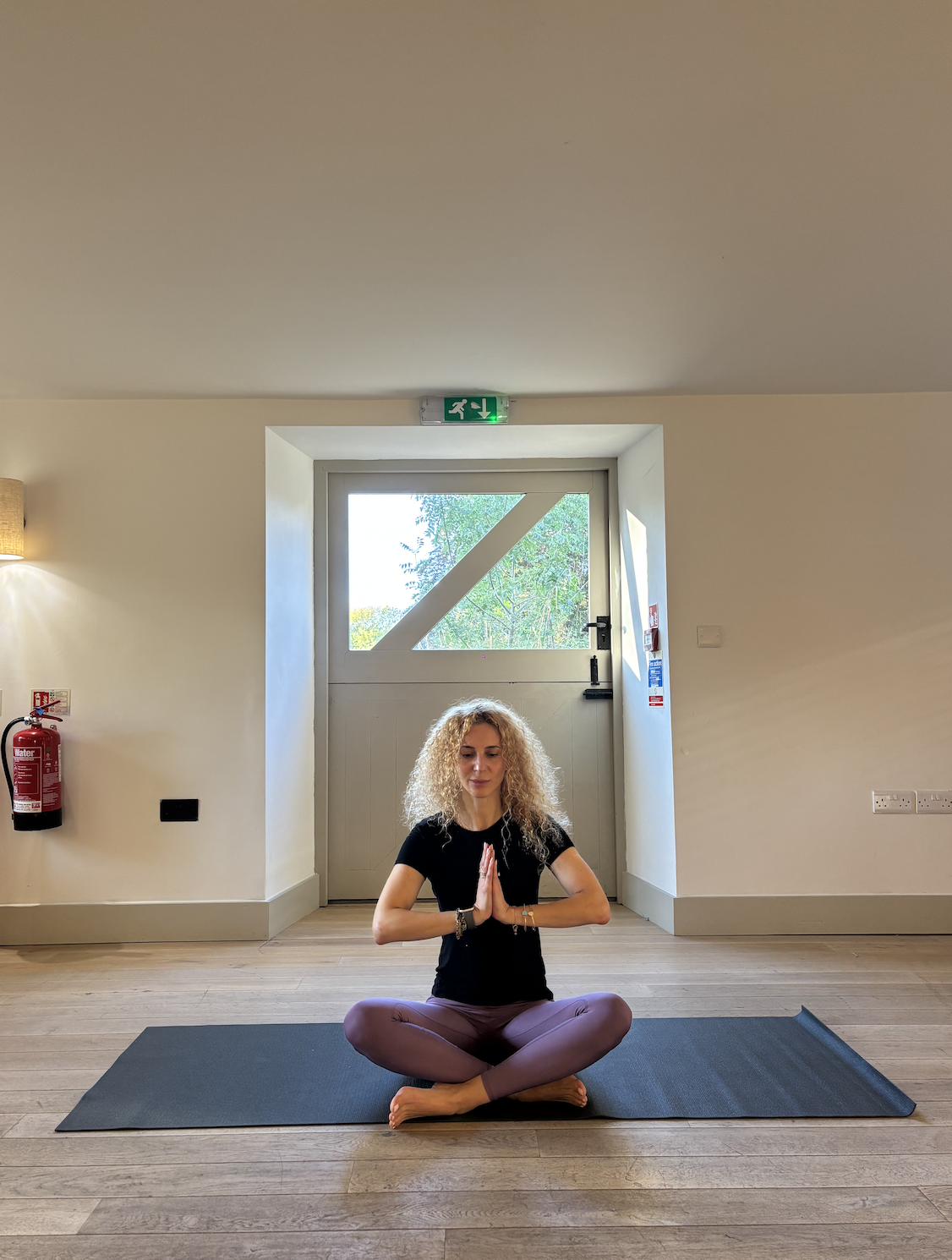
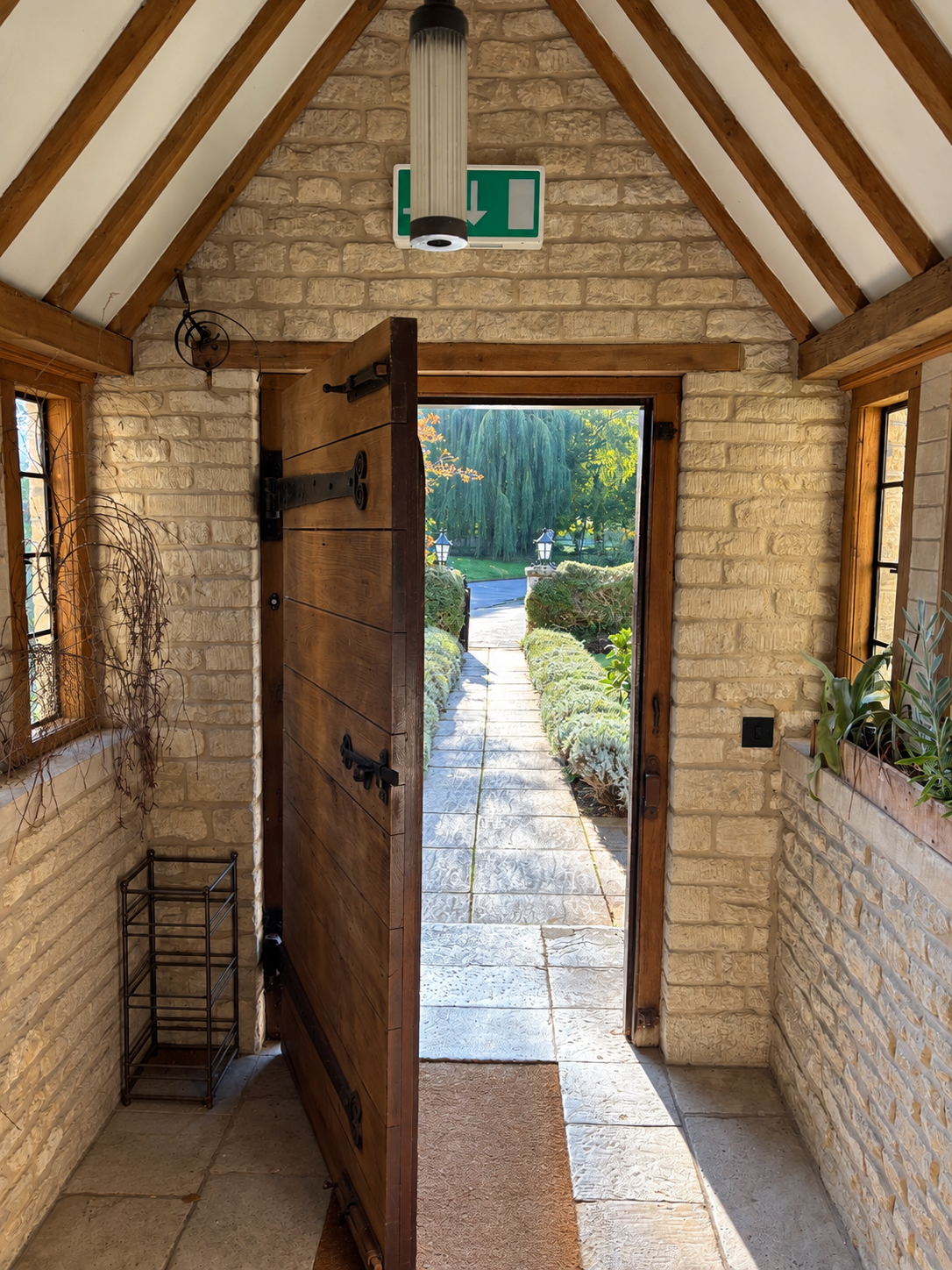
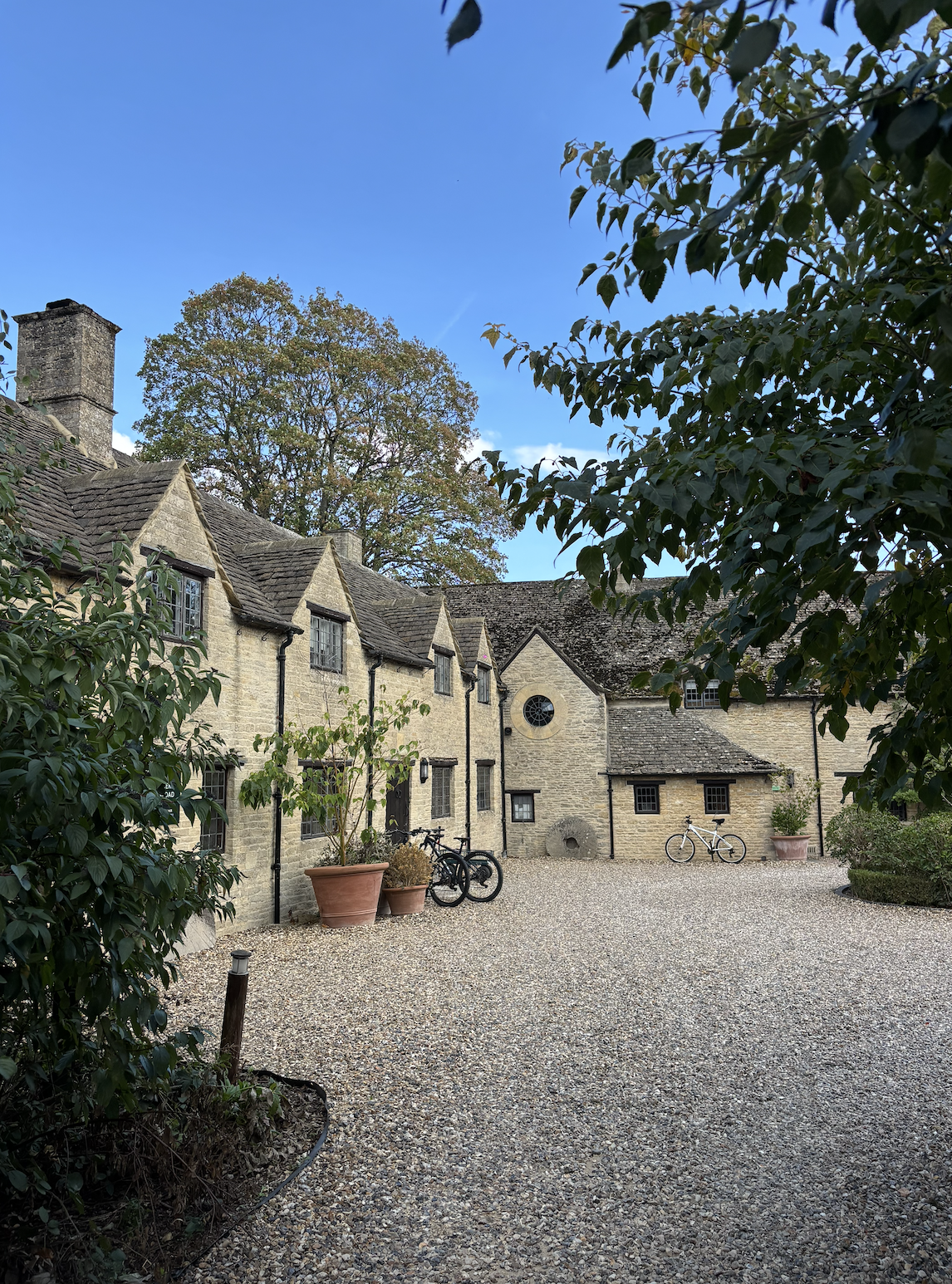
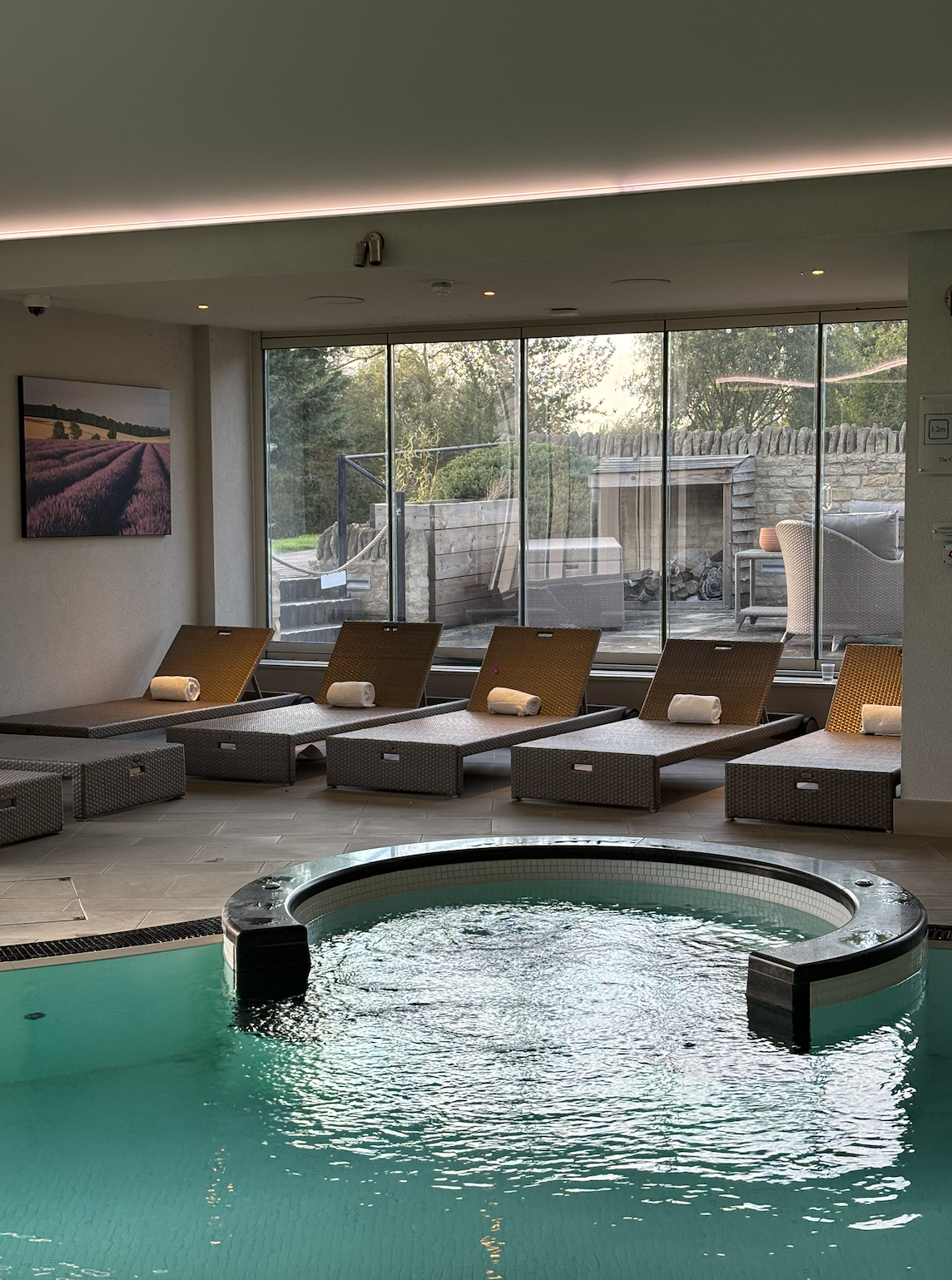
Sabrina's retreats, the Pilates Reset, take the personalised attention she usually gives private clients and offer it to a small group in the countryside. The idea was simple. "I wanted to create the kind of weekend I would genuinely love to go on myself. Somewhere beautiful, surrounded by nature, where you can move your body, challenge yourself, also slow down and simply enjoy some time to yourself."
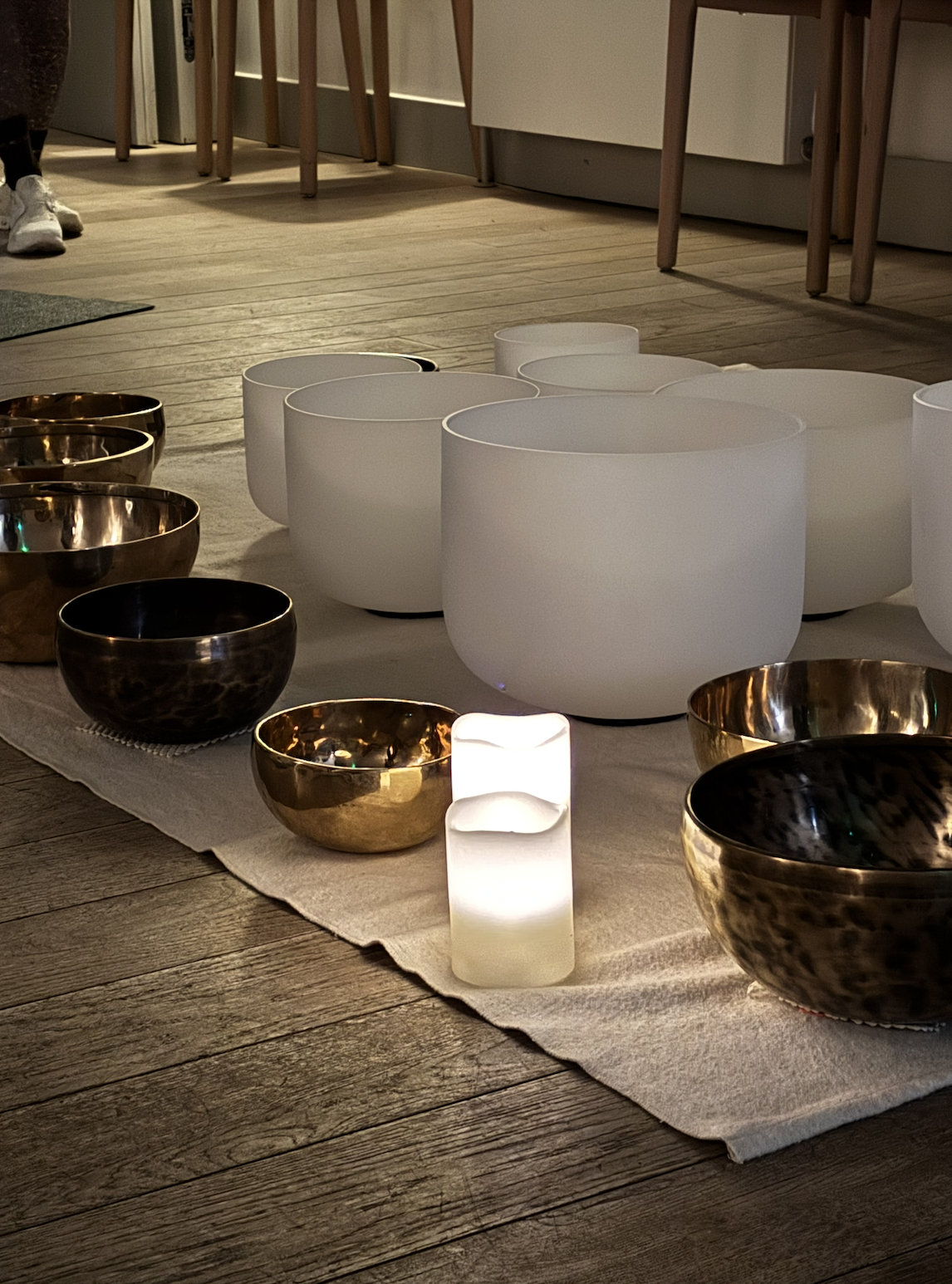
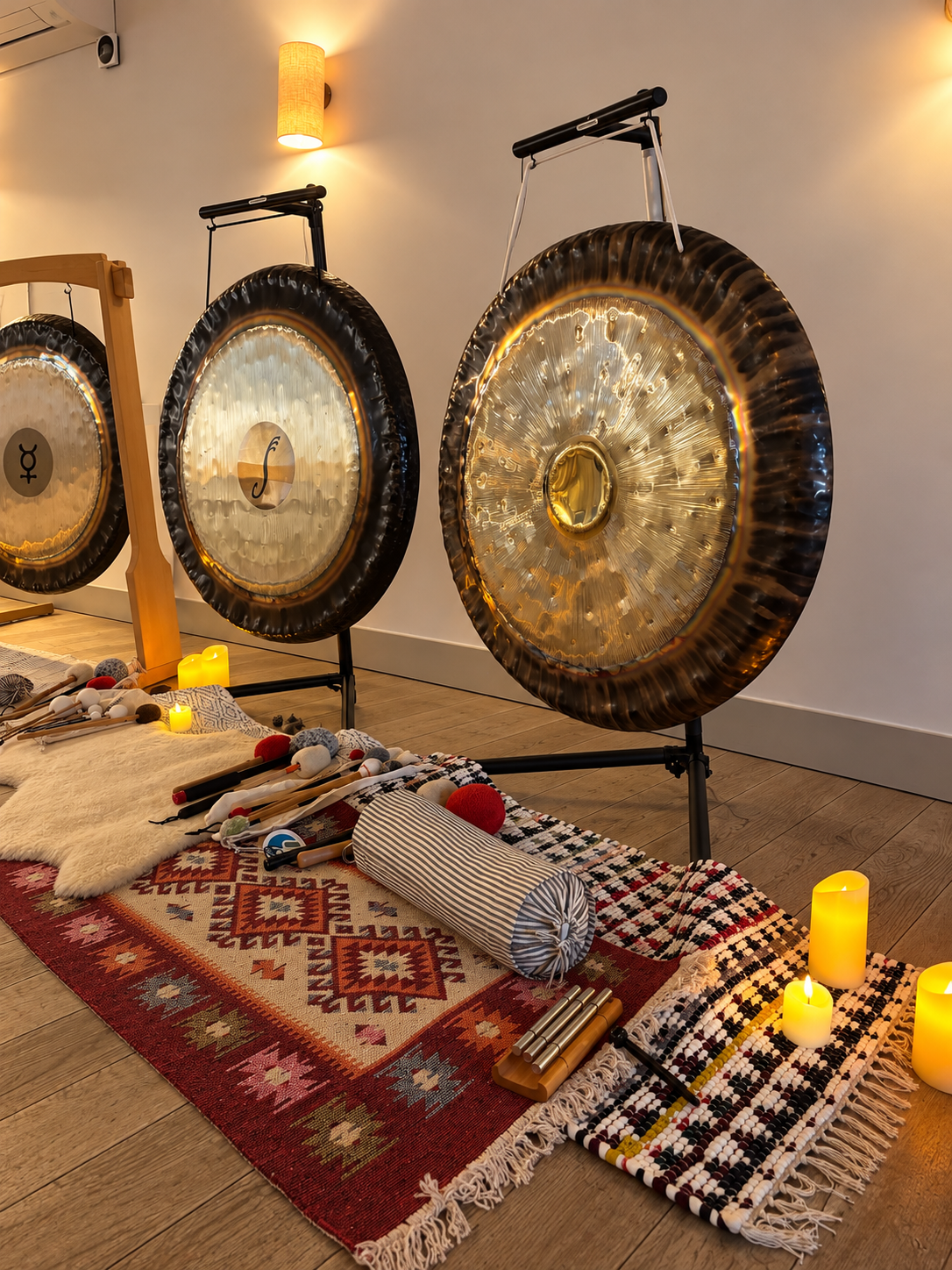
She describes it as a balance: movement and stillness, structure and freedom. "I love the discipline and energy that movement brings, but I also believe in the importance of slowing down sometimes: reading a book, taking a long walk, having a meaningful conversation. Life gets so busy, and I think we all need that space to properly switch off and reset." Evenings end with sound healing, which she found "a wonderful way to meditate and release, to balance all the movement we have been doing throughout the day."
What a few days offers that a weekly class can't is time to go deeper. "Having a few days away allows you to immerse yourself in the experience. There is time to explore movement more deeply, enjoy the benefits of regular practice and also properly rest and recharge without rushing off to the next thing."
IT'S NOT ALL ABOUT THE CORE
The misconception Sabrina most wants to correct is the one Pilates is best known for. "One of the biggest misconceptions is that Pilates is all about the core. Yes, of course it's fantastic for core strength, as your core is engaged throughout most of the movements, but Pilates is really a full-body system. It works on strength, flexibility, posture, balance and coordination."
She is just as clear about results. "It's not about how many repetitions you do, but how well you do them. Even the most beautifully executed Pilates session won't transform your body overnight. It's about showing up consistently, challenging yourself gradually and allowing your body to adapt and get stronger."
WHERE TO START
For anyone who wants to start practising properly, her first piece of advice is about the teacher. Look for someone "properly qualified through a respected training institution, experienced and knowledgeable enough to understand different bodies and adapt exercises accordingly." Then, just as importantly, the connection. "You want someone who motivates and supports you, someone whose class you genuinely look forward to because you leave feeling good on every level."
Her habit to start with is a small one. "Even taking five minutes each day to focus on your breathing, posture and how your body moves is a wonderful place to start. From there, gradually build a routine of regular movement, even if it's just a few times a week." And keep thinking about why you're doing each movement. "Pilates becomes so much more rewarding when you start to connect with your body rather than simply follow the movements."
Words by Eleanor Hoath with Sabrina Ovadya for The Well Edit
The content published by The Well Edit is for informational and educational purposes only. It is not intended as, and should not be relied upon as, a substitute for professional medical, health, nutritional, legal, or financial advice. While articles may reference insights from qualified practitioners or experts, the views expressed are their own and do not necessarily reflect the views of The Well Edit. Always seek the guidance of a qualified professional before making changes to your diet, lifestyle, supplementation, or healthcare routine.
Use of any information provided is at your own discretion and risk.