I Scanned My Entire Body in New York. Here’s Why I’ll Do It Every Year
A practitioner’s perspective on early detection, peace of mind, and proactive health.

A year ago, I booked my first full-body MRI with Prenuvo in New York City. Around that time, I became acutely aware of how much early diagnosis can change illness outcomes, which was the turning point in how I think about preventative health. Rather than waiting for symptoms to appear, I wanted a clearer picture of what is happening inside my body, while I still feel well. Just two weeks ago, I completed my second scan and plan to continue doing it on a yearly basis.
This wasn’t a decision driven by curiosity or biohacking trends, but by a shift in how I think about health, prevention, and what it really means to look after myself long-term. There’s no denying full-body MRIs are an investment, and one that deserves careful consideration. But for me, the value lies in early information and being proactive about my health.
I’m not going to lie, before my first scan I was nervous about how the whole experience would be, and I was particularly concerned about feeling claustrophobic. I’ve had standard MRIs in the past and found them extremely challenging to complete, as you’re not supposed to move your body for the entire time you’re inside the scanner. So the first time around, I asked to be prescribed hydroxyzine, an antihistamine medication that makes you slightly drowsy, as a precaution. In reality, the experience was far more manageable than I expected.
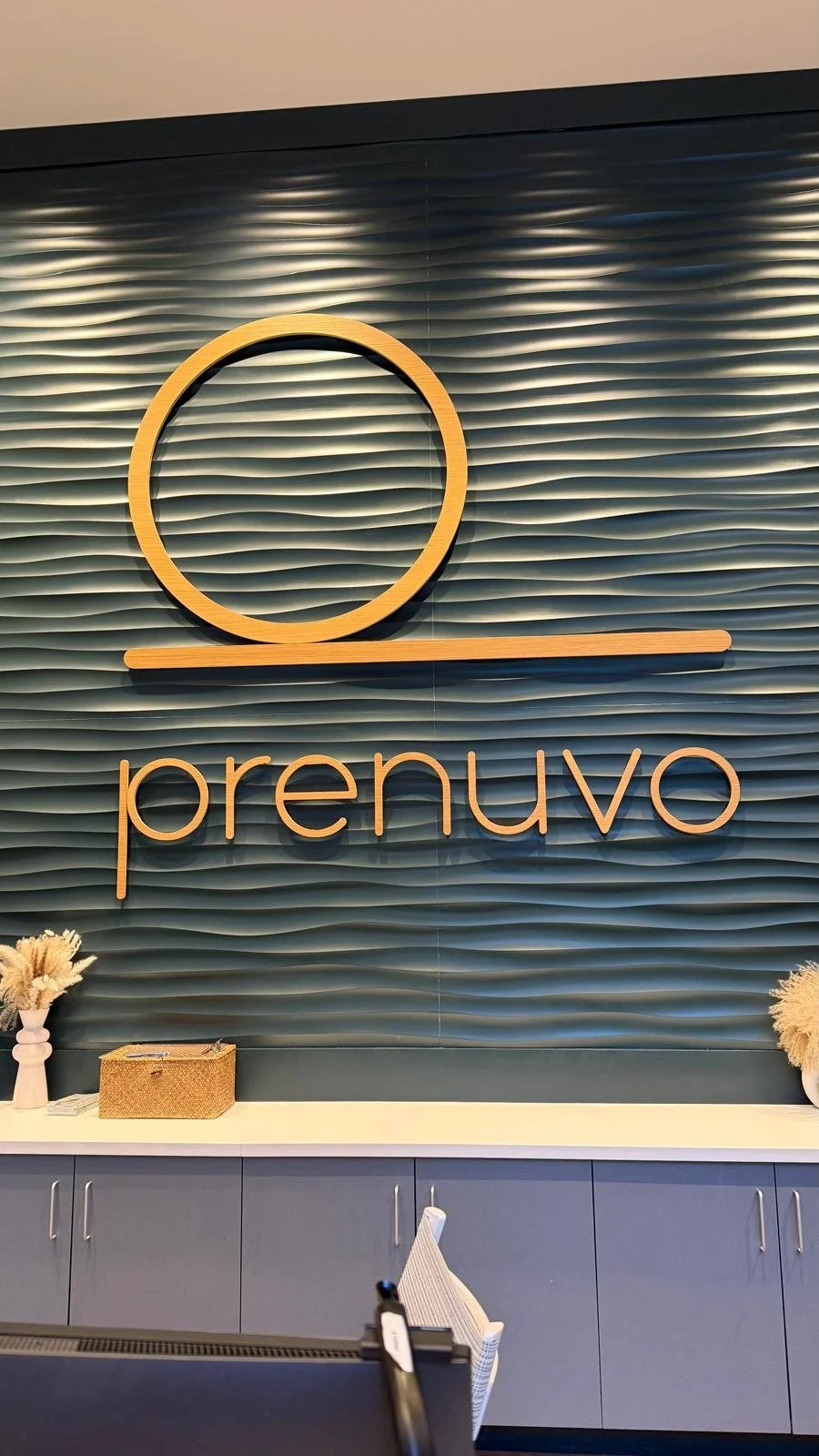
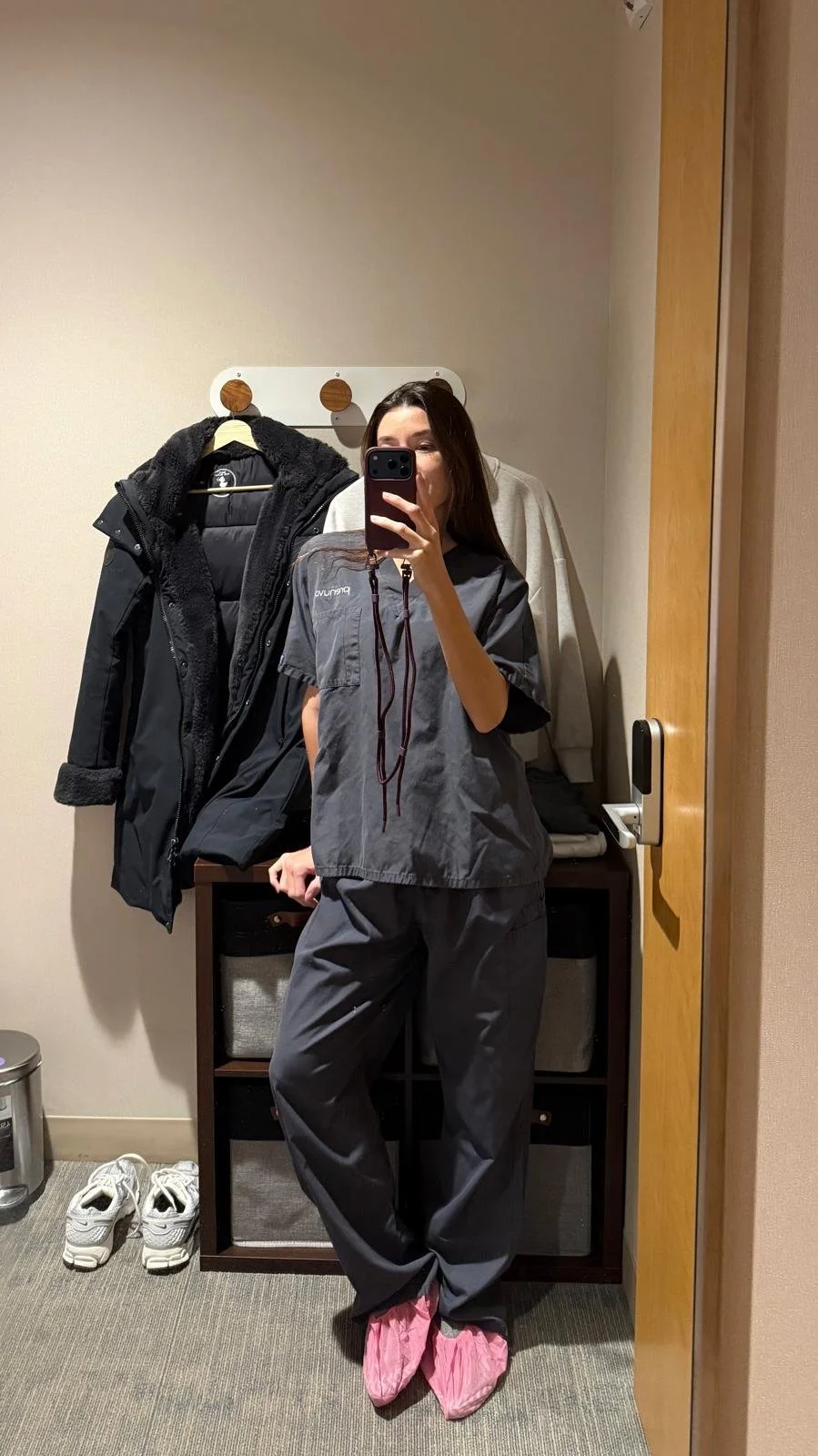
From the moment you arrive at the clinic, the experience feels calm and considered. The staff are welcoming and friendly, which immediately helps settle any nerves. After checking in, you’re guided to a private room to change into MRI-appropriate clothing and store your personal belongings securely. Nothing can be worn into the scan, not even wearables or jewelry, which reinforces how thorough the process is. From there, you wait briefly before being called into the MRI area.
The clinic I visited in New York City was particularly impressive, with five MRI machines operating simultaneously, yet the space still felt quiet and well organised rather than overwhelming, and it definitely didn’t feel like I was in a hospital, which was something I was worried about from medical MRI’s in the past.
The scanner itself has a wider, more open bore than traditional machines, and being able to watch Netflix throughout made the time pass surprisingly easily. I also asked the operator to slide me in slowly, which he did without hesitation. He checked in with me several times during the scan to make sure I was comfortable, which made a real difference. When I returned for my second scan this year, I didn’t need any medication, knowing what to expect changed the experience entirely.
Once the scan is completed, you’re guided back to the changing area, and before leaving, you’re invited to grab a snack, tea, or coffee. There’s a four-hour fasting window prior to the scan to ensure clearer imaging of organs like the stomach, bowel, and gallbladder, so the post-scan snack is a thoughtful touch.
Waiting for the results is probably the most emotionally charged part of the process. My partner and I did our scans at the same time, and the first time around his results came through before mine. That short window of waiting was enough to trigger some concern, even with all the rational explanations in place. I think that response is human, — testing, no matter how proactive, still asks you to sit with uncertainty, even if only briefly.
As I approach 40, and with a strong family history of cancer, repeating this scan annually feels like a considered, intentional choice. For me, it is about prevention and early detection, not about chasing trends for the sake of it.
That said, I’m very aware of the limitations. A full-body MRI doesn’t replace routine screening such as mammograms, colon cancer screening, or other gold-standard investigations recommended by medical guidelines. Prenuvo is clear about this, scans should sit alongside, not instead of, conventional medical care and ongoing follow-up with a primary care provider. Cost and accessibility are also real barriers, and it’s important to acknowledge that this approach won’t be right or feasible for everyone.
If you’re considering a Prenuvo scan but feel unsure, my advice would be to reflect on your motivation. If your goal is prevention, early detection, and having more information to guide your health choices, and you understand its role as part of a broader healthcare strategy, then it can be a valuable tool. For me, knowledge can be empowering rather than anxiety-provoking, and testing is useful when it leads to clarity.
Word by Marilia Chamon for The Well Edit
The content published by The Well Edit is for informational and educational purposes only. It is not intended as, and should not be relied upon as, a substitute for professional medical, health, nutritional, legal, or financial advice. While articles may reference insights from qualified practitioners or experts, the views expressed are their own and do not necessarily reflect the views of The Well Edit. Always seek the guidance of a qualified professional before making changes to your diet, lifestyle, supplementation, or healthcare routine.
Use of any information provided is at your own discretion and risk.