The Invisible Load: Navigating Microplastics and Endocrine Disruptors Without Losing Your Mind
We live in a world that is, quite literally, wrapped in plastic. It is in the water we drink, the air we breathe, and as recent headlines have highlighted, even the leggings we wear to our morning Pilates class. If you have been following the news lately, you might have seen that Lululemon is currently under investigation by the Texas Attorney General over the potential presence of PFAS. These are otherwise known as "forever chemicals" and they are increasingly being found in athletic apparel.
As a women’s health specialist, I find this particularly concerning because these chemicals are not just environmental pollutants; they are potent endocrine disruptors. But before we all spiral into a state of "eco-anxiety," let’s take a breath. The goal of this article is not to make you neurotic or have you living in a glass bubble. It is about awareness, reduction, and supporting your body’s incredible natural ability to handle the modern world.
the science of disruption: why Accumulation matters
The term "endocrine disruptor" sounds clinical, but its impact is deeply personal. These substances are found in everything from microplastics to synthetic fragrances. They mimic our natural hormones, particularly oestrogen, and can bind to our hormone receptors to either block the real thing or send a completely wrong signal to the body.
Recent research has shown that exposure to microplastics can significantly affect ovarian function, decrease fertility rates, and disrupt the delicate balance of the hypothalamic-pituitary-ovarian axis. But here is the key: it is rarely one single exposure that causes the issue. It is the accumulation.
Think of your body like a bucket. A little bit of plastic from a water bottle here, some synthetic fragrance from your laundry detergent there, and a dash of PFAS from your leggings. Eventually, the bucket overflows. This is why we focus on "picking our poisons" and reducing the total load rather than striving for a perfection that doesn't exist in 2026.
THE ACTIVEWEAR WAKE-UP CALL
The investigation into PFAS in activewear is a significant moment for the wellness industry. PFAS are used to make fabrics water-resistant and stain-repellent, but they are linked to a host of health issues, including thyroid dysfunction and impaired immune response.
When we sweat, our pores open, making us more susceptible to absorbing what is sitting on our skin. While we wait for more clarity on the Lululemon investigation, it is a good time to consider "natural swaps" for your most-worn items. Opting for organic cotton or bamboo for your everyday basics is a great start. You don't need to throw away every pair of leggings you own today, but as you replace things, look for brands that are transparent about being PFAS-free.
REALISTIC SWAPS: THE LOW-HANGING FRUIT
If you want to reduce your endocrine-disrupting load without going crazy, start with the things you use every single day. These are the "high-frequency" exposures where small changes make the biggest difference.
Ditch the Plastic Bottle: This is the easiest win. Switch to glass or high-quality stainless steel. Not only is it better for your hormones, but water just tastes better out of glass.
Ceramic and Glass in the Kitchen: If you are still heating up food in plastic containers, this is your sign to stop. Heat accelerates the leaching of chemicals like BPA into your food. Switch to glass storage and ceramic cookware where possible.
The Fragrance Audit: Synthetic perfumes and laundry detergents are often loaded with phthalates. Try switching to a "clean" fragrance or an unscented, plant-based laundry detergent. Your skin and your liver will thank you.
Skincare Simplicity: Your skin is your largest organ. If you wouldn't eat the ingredients in your moisturiser, you might want to reconsider putting them on your face every morning.
WELL EDIT PICKS:

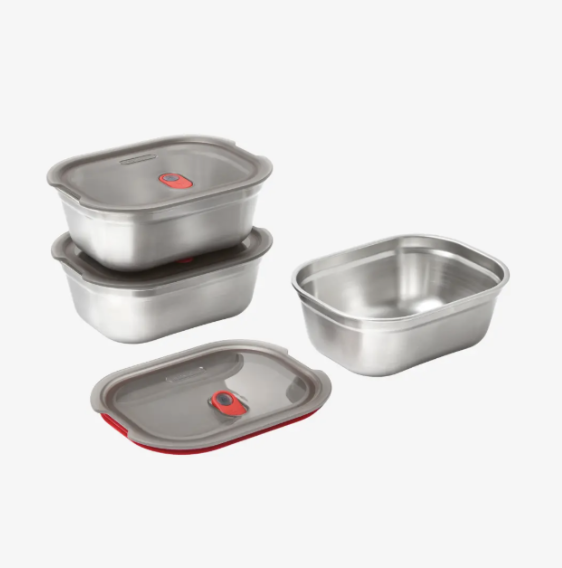
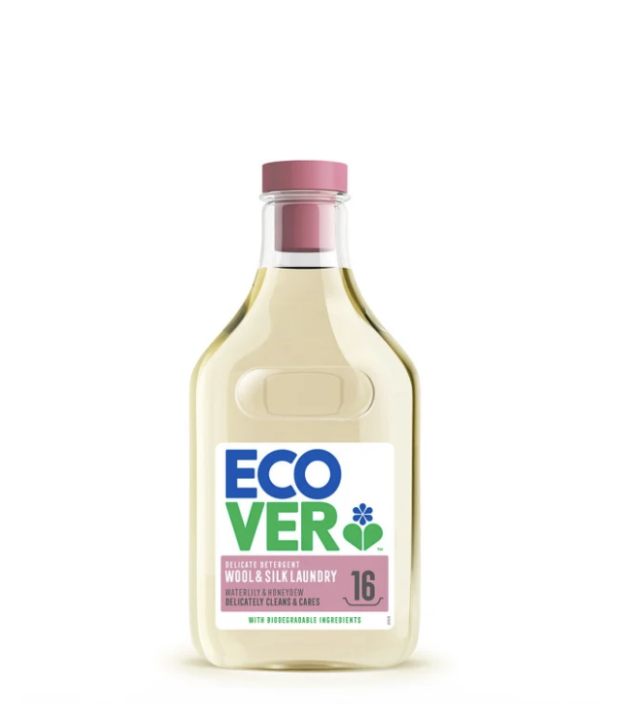
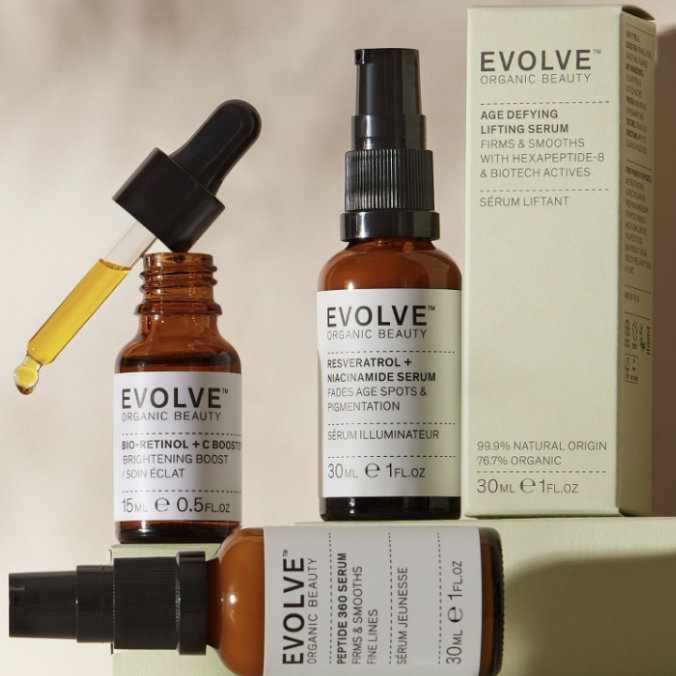
Black + Blum - Use code ELEANOR10 at check out for 10% off
Carter Carry - Use code ELEANOR10 at check out for 10% off
Supporting the Exit Routes: The Role of PC
While we work on reducing what goes into the body, we must also support the pathways that get things out. This is where the science of detoxification gets really interesting.
I have been closely following the research on Phosphatidylcholine (PC), specifically from BodyBio. PC is a fundamental building block of our cell membranes. Think of it as the "skin" of your cells. When our cell membranes are healthy and fluid, they are better at two things: keeping toxins out and flushing waste products out.
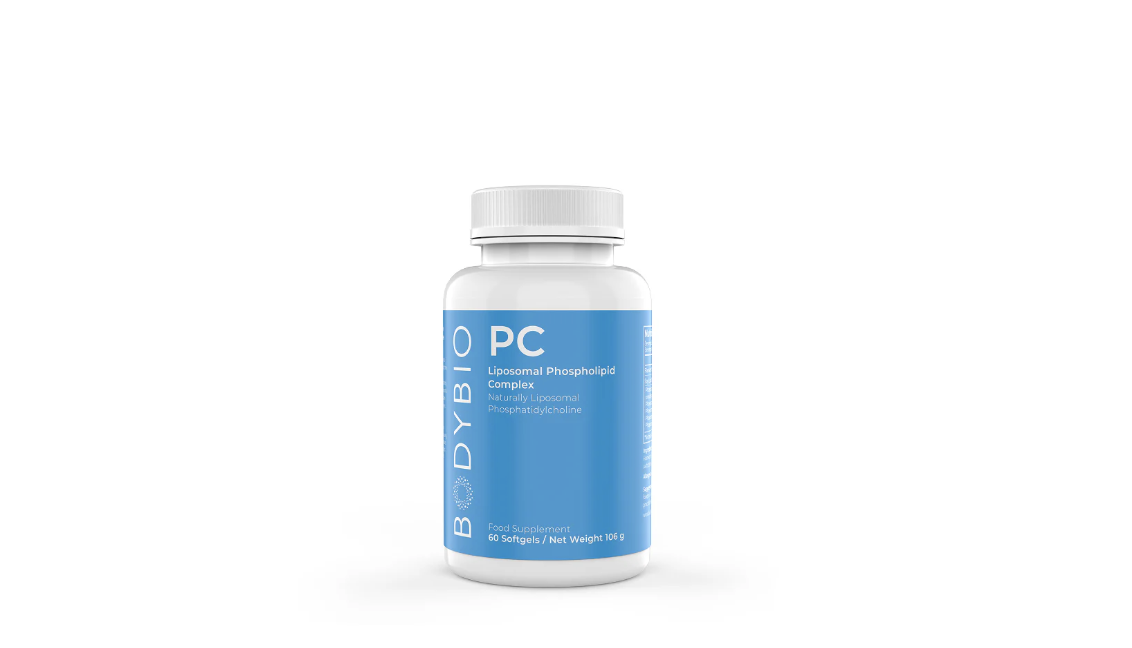
Current research is exploring how PC can help the body identify and break down fat-soluble toxins, including certain microplastics and chemical residues. By fortifying the cell membrane, PC supports the liver’s natural detoxification pathways, helping to "empty the bucket" more efficiently. It is one of the few supplements I consider a true "essential" in our modern, plastic-heavy environment.
The Human Balance: Reducing, Not Obsessing
The most important thing to remember is that you are a human, not a laboratory experiment. Being "perfectly clean" is impossible, and the stress of trying to achieve it is probably more damaging to your hormones than the occasional plastic fork.
Glow up by being informed, not fearful. Choose the glass bottle because you love the way it looks on your desk. Choose the cotton cardigan because it feels better on your skin. Take your PC because you want to support your cellular health.
Reducing your toxic load is an act of self-love, not a chore. By making these small, sustainable shifts, you are working with your body, giving it the space it needs to thrive in a complex world.
Words by Eva Fleischman for The Well Edit.
REFERENCES
[1] Inam, Ö. (2025). Impact of microplastics on female reproductive health. PMC.
[2] Texas Attorney General. (2026). Investigation into PFAS in Consumer Apparel.
[3] BodyBio Research. (2024). Phospholipids and Cellular Detoxification: The Role of PC.
[4] Tague, C. (2025). Endocrine Disruptors and Female Fertility: A 2025 Update.
The content published by The Well Edit is for informational and educational purposes only. It is not intended as, and should not be relied upon as, a substitute for professional medical, health, nutritional, legal, or financial advice. While articles may reference insights from qualified practitioners or experts, the views expressed are their own and do not necessarily reflect the views of The Well Edit. Always seek the guidance of a qualified professional before making changes to your diet, lifestyle, supplementation, or healthcare routine.
Use of any information provided is at your own discretion and risk.