

Somewhere along the way, looking after our health became complicated. It's a noisy, slightly overwhelming place to be. We're surrounded by glossy wellness marketing, expensive wearables, elaborate morning routines and an industry that seems determined to convince us we need the next gadget to feel our best, or to belong to this wellness era at all.
I'm not above it. I wore an Oura ring for years and loved it at first. It gave me information about my sleep, recovery and cycle I hadn't had before, and it kept me accountable to earlier nights and more steps. But my priorities shifted. My focus became my fertility, and everything that came with that, including multiple losses. Somewhere in that period I realised I was paying more attention to what a device was telling me about my body than to how I actually felt in it. So I took it off. For me, it was the best decision I could have made. It gave me the space to tune back into myself, my needs, and to trust my intuition fully.
I still think wellness technology can be useful when it's used well and when it feels good to the person wearing it. But I also think we've become so distracted by everything we could be doing (the tools, the supplements, the subscriptions) that we've forgotten the basic, unsexy things our bodies actually need.
Hormones are chemical messengers, constantly responding to signals from inside the body and from the world around us. How we eat, sleep, move and handle stress all feed into the systems that regulate them. Supporting them really doesn't need to be complicated.
The six things I do every day are, frankly, boring on paper. They need no equipment and nothing fancy. They're simply the foundations I keep coming back to, because they have the biggest cumulative effect on how I feel and function: my mood, energy and sleep, my digestion, my skin and my cycle.
Light Before Screens
One of the simplest changes I've made is setting firm boundaries with my phone first thing. I don't pick it up for at least the first 15 to 30 minutes of the day. Instead, I get natural light into my eyes as early as I can (hello green time before screen time).
In the warmer months, that means opening the shutters, stepping outside and putting my bare feet on the grass, ideally with a lemon water or a mug of bone broth in hand, and looking up at the sky. In winter, when it's still dark, I open the blinds anyway and rely on my sunrise alarm clock, which gradually brightens the room to mimic dawn. It's one wellness purchase I swear by; I've had mine for years. By the time I'm getting ready, real daylight has started to come through too.
“Listen to the birds, not the news.”
It's a saying I love and try to remember each morning, because it gives my mind a chance to settle before the noise and demands of the day arrive.
There's good physiology behind it. Morning light is one of the strongest signals for setting your circadian rhythm, the internal clock that governs the sleep-wake cycle and shapes the timing of hormones such as cortisol and melatonin. Cortisol is meant to rise in the morning; it's part of what gets us up and alert. Bright light early on helps anchor that natural peak at the right time of day, and it starts the countdown towards melatonin release in the evening. Reaching for a phone before your feet hit the floor, by contrast, tends to hand your nervous system someone else's agenda before your own body has had its say.
Breakfast, Every Single Day
How and when we nourish ourselves has a profound influence on how hormonally balanced we feel. I think so many women underestimate the importance of simply eating enough, and of not asking their bodies to power through long stretches without fuel. Done daily, that becomes one of the fastest ways to create internal havoc.
So I never skip breakfast. I want one I can't wait to get out of bed for, built around protein, fibre and healthy fats, which I call my P.F.F. method. That might be eggs with avocado and greens, or porridge made with oats and buckwheat, topped with nut butter, seeds, kiwi (skin on, for extra fibre) and blueberries for their antioxidants.
Protein and fibre help keep blood glucose responses steadier, and that matters for hormones in a direct way: insulin is a hormone too, and how well it's regulated plays an important role in both metabolic and reproductive health. There's a bigger point here as well. Consistently under-fuelling the body can disrupt the hormonal signalling involved in ovulation and menstruation. The brain reads a sustained energy shortfall as a reason to deprioritise reproduction. That's why I encourage women to look beyond what they're eating and ask whether they're actually eating enough. Tune into how you feel. Your body will give you the answers.
Never Running on Empty
This extends well beyond breakfast. Three nourishing meals a day is non-negotiable for me. I try never to get so absorbed in work that I forget to eat, then end up grazing on refined, ultra-processed snacks that send my blood sugar crashing and leave me craving more half an hour later. That was twenty-something Jess's default mode, and I don't miss her.
Our bodies need a steady supply of energy and nutrients for everything from thyroid hormone production to normal cellular function. I want my meals to provide those building blocks so I feel energised and in control of my day, rather than at the mercy of it.
Hydration is part of the same picture. I aim for around two and a half litres of filtered water a day, herbal teas included, which is an easy way to layer extra plant compounds into something I'm doing anyway.
I know it sounds simple. But in my experience, the nutrition advice that genuinely moves the needle usually isn't about adding something new. It's about making sure we're meeting the body's basic needs in the first place. Please don't underestimate it.
The Wellness Walk
I love Pilates, I really do. But I live for what I call my morning wellness walk: at least 40 minutes in the woods, come rain or shine. I don't feel like me without it. It transforms my energy and my mental wellbeing, and it's good for my muscles and blood sugar too.
I've never believed that looking after our health should mean forcing ourselves through intense workouts we don't look forward to, every day of the month, until they feel like a chore.
Walking is underrated. Movement is one of the most effective ways to support insulin sensitivity, because working muscles can take up glucose from the bloodstream with less reliance on insulin. Even a short walk after a meal can make a measurable difference to post-meal glucose. I try to do it after breakfast and lunch, even if it's ten minutes round the block with my dogs before my next client.
What matters to me is moving throughout the day and choosing what fits my energy and, hormonally, where I am in my cycle, rather than treating my body the same way every day and expecting it to play ball. Women's hormones shift across a roughly monthly cycle, layered on top of the daily rhythms we all share, so working with those changes can make a real difference to how we feel, how we train and how hard we can push.
In my follicular and ovulatory phases, my energy is naturally higher and oestrogen is rising. Some research suggests insulin sensitivity tends to be better at this point too, so the body may use glucose for fuel more efficiently. That's when I go out of my way to challenge myself. In the last week of my luteal phase and the start of my period, resting and going slower feels far more beneficial. The research on cycle-based training is still developing and everyone is different, but noticing your own pattern is a good place to start.
Read - The Hunger Games, The Hormonal Reason You Can’t Stop Snacking
Treating Myself Like Someone I Love
This is something I've become increasingly intentional about, particularly when life is busy and my mind is full of everything I need to do.
I love breathwork and meditation, and at the moment I'm using The Way app, the best guided meditation app I've tried (and believe me, I've tried them all). But often it's as simple as a few slow, deep breaths when things feel like a lot, or ten minutes with a quiet cup of tea to gather my thoughts, so I can go back to what I was doing topped up and in control.
Slow breathing can shift the autonomic nervous system towards a calmer physiological state, nudging the body out of fight-or-flight and towards rest-and-digest. That matters for hormones because chronic stress doesn't stay in the mind. It can affect sleep, appetite and, in some circumstances, menstrual function. Finding small ways to recover from the demands of everyday life matters a great deal.
“Doing something just for myself isn’t indulgent. It’s an important part of looking after my health.”
As a busy working mum juggling all the things, I've learnt that. And the moment I started treating myself like someone I love, someone worth caring for, my relationship with myself changed enormously.
Protecting My Sleep Like It's My Job
Sleep is one of those things we all know matters, yet it's often the first thing we sacrifice when life gets busy. I keep a consistent bedtime and aim to be asleep by 10pm, 10.30pm at the latest. I build in a proper pocket of time to wind down, usually a hot bath with Epsom salts and lavender oil, and I don't let work or my phone follow me into the bath or into bed.
Sleep plays a central role in metabolic regulation, including insulin sensitivity and the hormones that govern appetite, such as leptin and ghrelin. Even a few nights of short sleep can leave you hungrier and less steady around food. Meanwhile, the circadian system that morning light helped to set is coordinating hormonal activity across the whole day. The two habits bookend each other.
Prioritising enough good-quality sleep is one of the most valuable things we can do for our long-term health. Think of it as a daily gift to yourself, and one your hormones will thank you for.
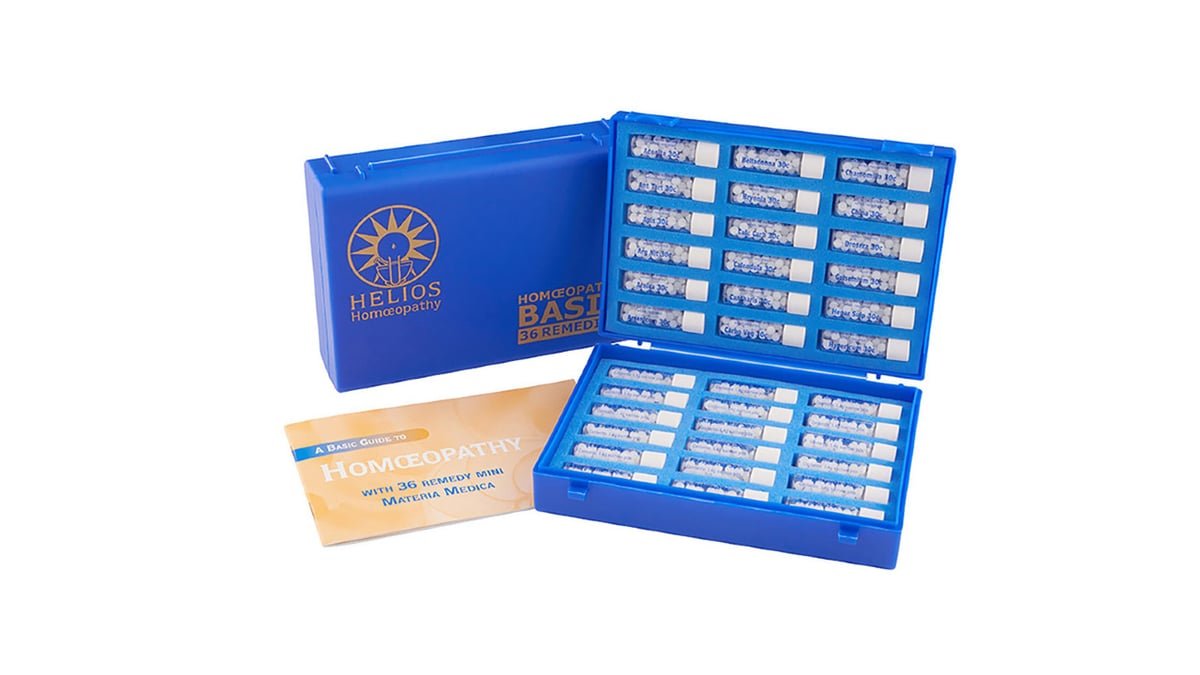
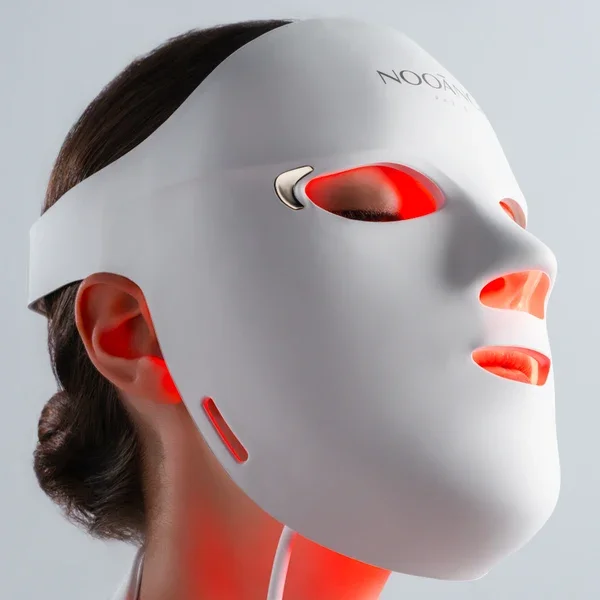
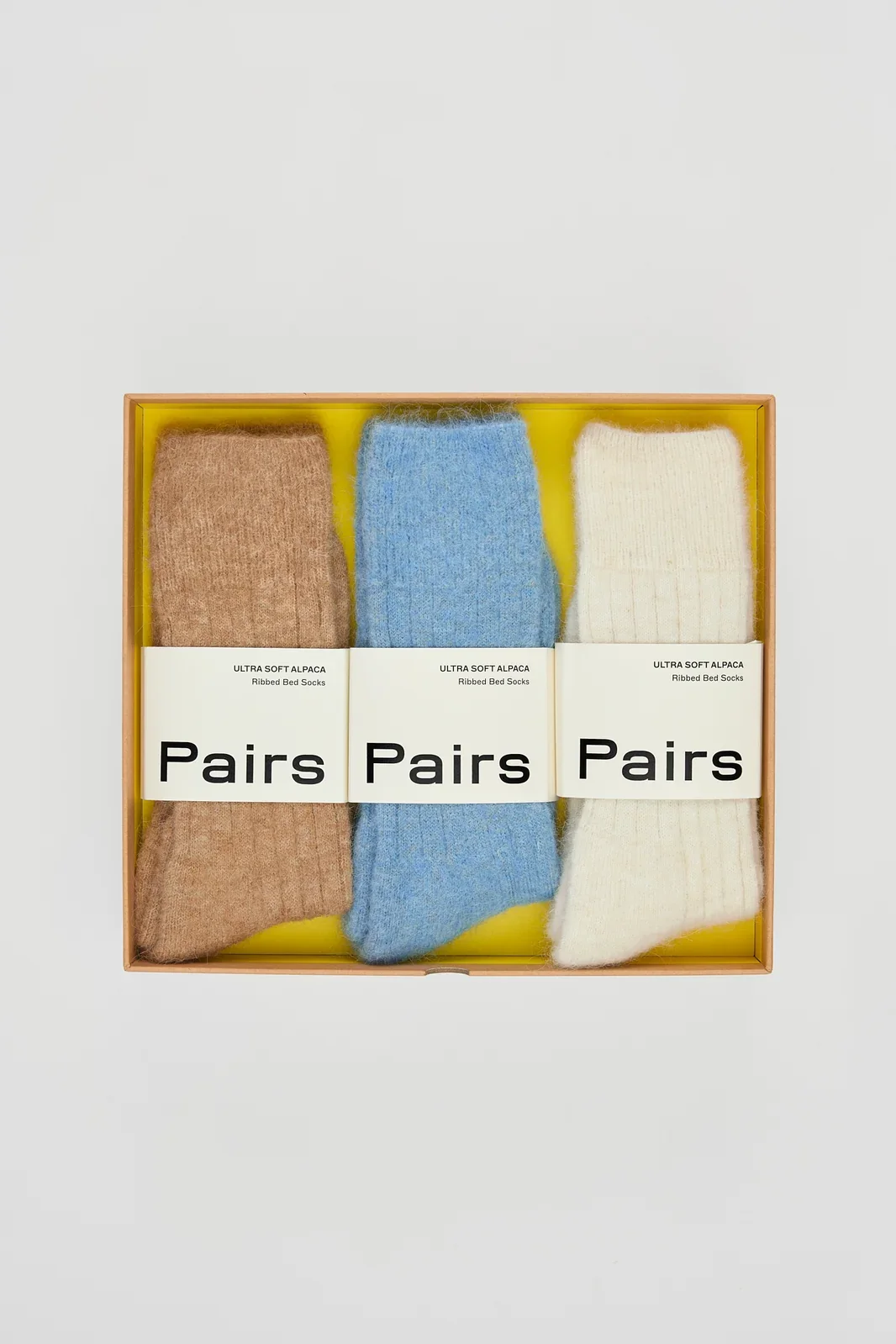
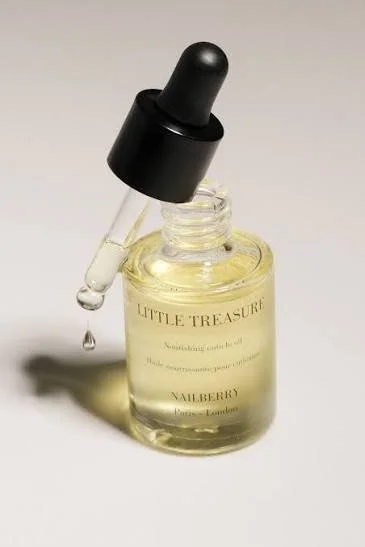
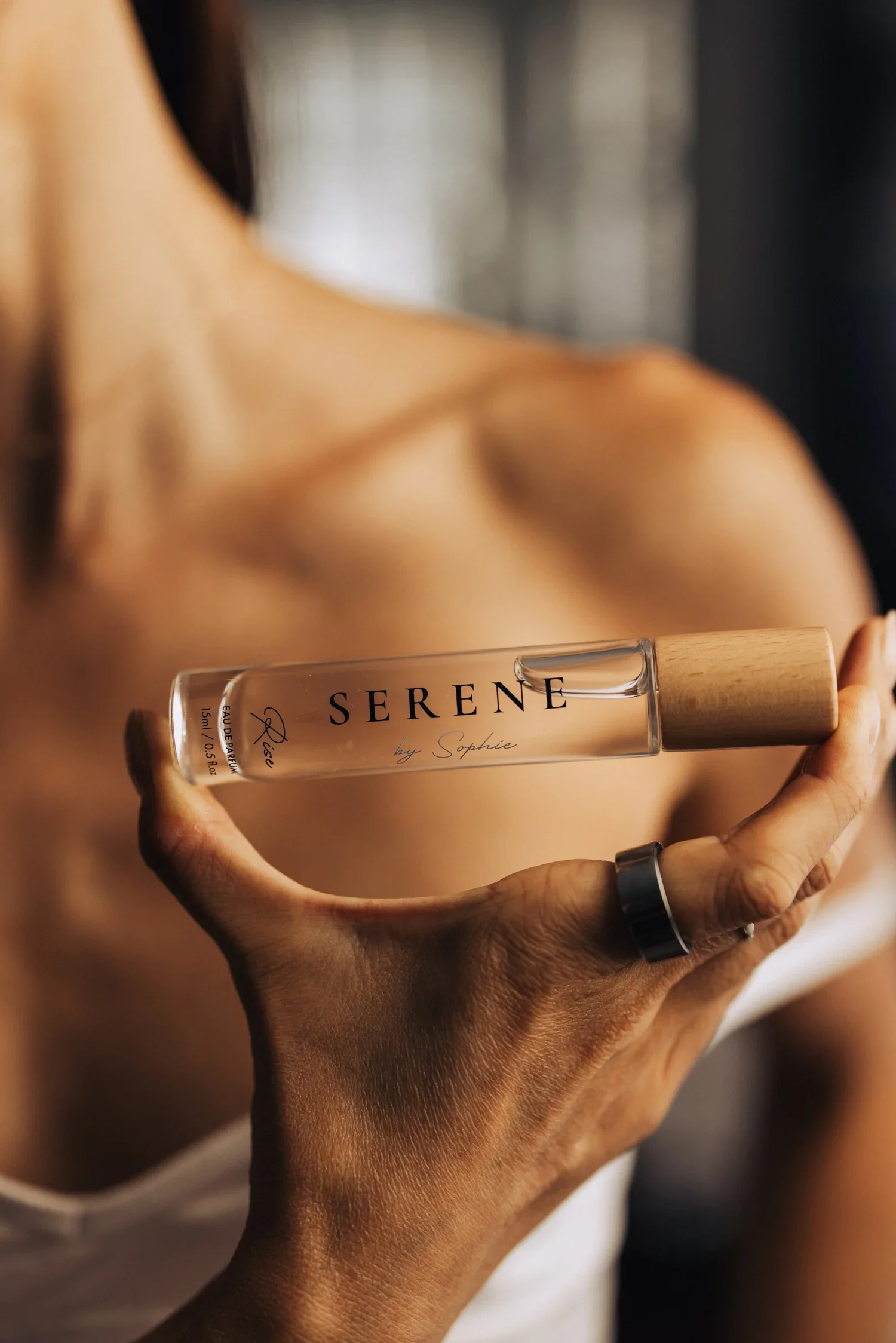
Jess's Well Loved List, right now





Zooming Out
We've become very good at measuring our health, and perhaps less good at listening to what our bodies need from us, and to how those needs change across the month.
None of these habits replaces investigating hormonal symptoms or getting individual support when something isn't right. But they create a foundation that no expensive gadget can replace.
Hormonal health isn't about achieving perfect levels every day.
Our hormones are supposed to ebb and flow, much like our blood sugar. It's about supporting the natural rhythms and processes that let our bodies function as well as they can. And the most meaningful changes come from the small things we do consistently, not the impressive things we do occasionally.
“Remember that you are the expert of your own body, not a ring.”
Editors Note
Ah I loved reading Jess’ piece. There's a particular irony in an industry that sells us ever more sophisticated ways to monitor our bodies while making us less fluent in reading them. Jessica's six habits are, as she cheerfully admits, the sort of thing you'd scroll straight past: get some daylight, eat breakfast, eat lunch, go for a walk, breathe, go to bed. None of it can be bought, tracked or upgraded, which may be exactly why it's so easy to dismiss.
What's persuasive is not any single habit but the way they lock together. Morning light sets the clock that sleep depends on, which is why I always harp on about Green Time Before Screen Time. Regular meals steady the blood sugar that walking helps to clear. Rest makes the rest possible. Hormones are, after all, messengers, and the most useful thing we can do is send them clear, consistent signals. That isn't a trend. It's simply the terrain on which every other choice lands.
Words by Jessica Shand for The Well Edit.
FAQ
-
The habits with the biggest return are often the simplest: getting natural light in the morning, eating regular meals built around protein, fibre and healthy fats, moving daily (walking counts), managing stress with tools such as slow breathing, and keeping a consistent sleep schedule. Together they support your circadian rhythm, blood sugar balance and stress response, all of which influence hormonal regulation.
-
Bright light in the morning is one of the main signals that sets your circadian rhythm. It helps anchor cortisol's natural morning rise, which supports alertness, and it times the release of melatonin later in the evening, which supports sleep.
-
It depends on the individual, but consistently under-eating can disrupt the hormonal signals involved in ovulation and menstruation. Many women feel steadier energy and blood sugar with a breakfast that includes protein, fibre and healthy fats.
-
Yes. Working muscles can take up glucose from the blood, and even a short walk after a meal can reduce post-meal blood sugar spikes and support insulin sensitivity over time.
-
Some women find they have more energy for intense training in the follicular and ovulatory phases, and benefit from gentler movement in the late luteal and menstrual phases. Research on cycle-based training is still emerging, so tracking how you personally feel is a useful guide.
-
Sleep influences insulin sensitivity and the appetite hormones leptin and ghrelin, and is closely linked to the circadian system that coordinates hormone release throughout the day. Consistent, sufficient sleep is one of the most effective foundations for hormone health.
The content published by The Well Edit is for informational and educational purposes only. It is not intended as, and should not be relied upon as, a substitute for professional medical, health, nutritional, legal, or financial advice. While articles may reference insights from qualified practitioners or experts, the views expressed are their own and do not necessarily reflect the views of The Well Edit. Always seek the guidance of a qualified professional before making changes to your diet, lifestyle, supplementation, or healthcare routine.
Use of any information provided is at your own discretion and risk.