A Holistic, Clinical Nutritionists Guide to Eczema

Eczema, also known as atopic dermatitis (AD), is one of the most common inflammatory skin conditions worldwide, affecting up to 20% of children and 10% of adults. Yet for those experiencing it, it’s far more than “just a rash.” Eczema can significantly impact day-to-day life - from persistent discomfort and visible skin changes to disrupted sleep and emotional wellbeing. In fact, up to 90% of individuals report sleep disturbances, while anxiety and depression affect approximately 30% and 31% of sufferers, respectively. These statistics highlight what many people already feel: eczema doesn’t just affect the skin, it affects the whole person.
Conventional VS. Holistic Treatment of Eczema:
Despite its prevalence, effective long-term management options remain limited, inaccessible, or insufficient for many individuals. Conventional treatments often centre on symptom suppression, frequently relying on topical corticosteroids. While these can provide short-term relief, they may not address the underlying drivers of the condition which can leave individuals caught in a frustrating cycle of flare-ups and temporary relief. In some cases, prolonged use has been associated with adverse effects, including Topical Steroid Withdrawal (TSW).
Eczema is not a surface-level condition, but a manifestation of deeper systemic imbalances. A truly effective approach requires a more comprehensive, holistic lens - one that considers the gut-skin axis, the immune & nervous systems, nutrient status, and environmental triggers. By addressing these factors, we move beyond symptom management and toward more sustainable, long-term skin health.
Understanding Eczema: Beyond the Skin
Eczema is typically characterised by dryness, redness, and intense itching. For many, the most challenging symptom is the itch itself, often persistent, disruptive, and difficult to ignore. This can lead to the well-known “itch–scratch cycle,” where scratching further damages the skin barrier, perpetuates inflammation, and delays healing. It’s not simply a matter of willpower, it’s a physiological cycle that requires targeted support.
What does a holistic skin specialist look for when supporting eczema?
“Leaky Skin” – A Compromised Barrier
At the core of eczema is a weakened skin barrier, often referred to as “leaky skin.”
This concept is partly explained by mutations in the filaggrin (FLG) gene, present in up to 30% of individuals with eczema. Filaggrin plays a critical role in maintaining skin hydration and integrity, & its mutation leads to a reduction in lipids and natural moisturising factors in the skin. When impaired, the skin loses water more easily (increased transepidermal water loss), becoming dry, fragile, and more susceptible to irritants, allergens, and microbes.
The Role of the Immune & Nervous Systems
Eczema is strongly linked to immune dysregulation, often presenting as a heightened inflammatory and allergic response.
Importantly, the nervous system plays a significant role with. People with eczema appear to have increased sensory fibres. Meaning the slightest touch to the skin can produce sensations of itch, passing sensations to the brain to promote scratching. Many individuals also notice that stress can exacerbate symptoms, increasing both inflammation and itch perception. This interaction highlights eczema as not only an immune condition, but a neuro-inflammatory one.
Root Causes & Key Drivers of Eczema
Eczema is rarely caused by a single factor. Instead, it reflects a combination of internal and external influences:
Genetics
Genetics play a strong role in our eczema predisposition. There is the FLG gene mutation, along with immune response genes, barrier genes and rare variants that can increase our risk. Interestingly, environmental factors, like exposure to pollution or stress, can cause epigenetic changes (modifying our how genes are expressed) which can trigger or worsen AD in susceptible individuals, proving the importance of taking care of ourselves from the inside-out.
Gut-Skin Axis
There is a well-established connection between gut health and skin function, referred to as the gut-skin axis. Dysbiosis (microbial imbalance), reduced gut-microbial diversity, and increased intestinal permeability (“leaky gut”) can contribute to systemic inflammation, which may manifest in the skin as eczema.
Food Sensitivities & Triggers
Certain foods can act as triggers in susceptible individuals, either through immune-mediated reactions or by exacerbating inflammation. Common triggers include dairy, gluten, eggs, soy, and shellfish, though responses are highly individual and should be assessed carefully to avoid unnecessary restriction, nutrient deficiency and food anxiety.
Nutrient Deficiencies
Optimal skin function relies on adequate nutrient status. Deficiencies in key nutrients such as omega-3 fatty acids, zinc, iron, and vitamins A and D may impair barrier integrity or exacerbate inflammation.
Stress & Nervous System Dysregulation
Chronic stress promotes cortisol release and elevates inflammatory molecules. This can impair skin barrier repair, alter immune responses, and intensify itching, making stress a significant contributor to flare-ups.
Hormonal Fluctuations:
Hormones, such as estrogen, progesterone and testosterone, directly affect the skin's ability to retain moisture and protect against irritants, while also influencing immune and inflammatory pathways throughout the body. This is why individuals may experience eczema during puberty, pregnancy, or throughout different phases of the menstrual cycle.
Environmental & Lifestyle Factors
External factors such as harsh skincare products, pollutants, allergens, climate, and lifestyle habits can aggravate eczema. These influences may weaken the skin barrier or trigger immune responses, further perpetuating inflammation.
Therapeutic Strategies for Eczema:
As we can see, there are many drivers of eczema so there is no one-size-fits-all “eczema diet” or remedy. Effective management requires a personalised approach that considers genetic predispositions, immune activity, gut health, and individual triggers. A whole-body approach is required for true healing.
Anti-Inflammatory Nutrition
A whole-food, anti-inflammatory dietary pattern, similar to the Mediterranean diet, can support eczema management & recovery. This includes a high intake of fruits, vegetables, quality proteins, whole grains, fatty fish, nuts, and seeds, providing antioxidants, fibre, and essential fatty acids to modulate inflammation.
Targeted Supplementation
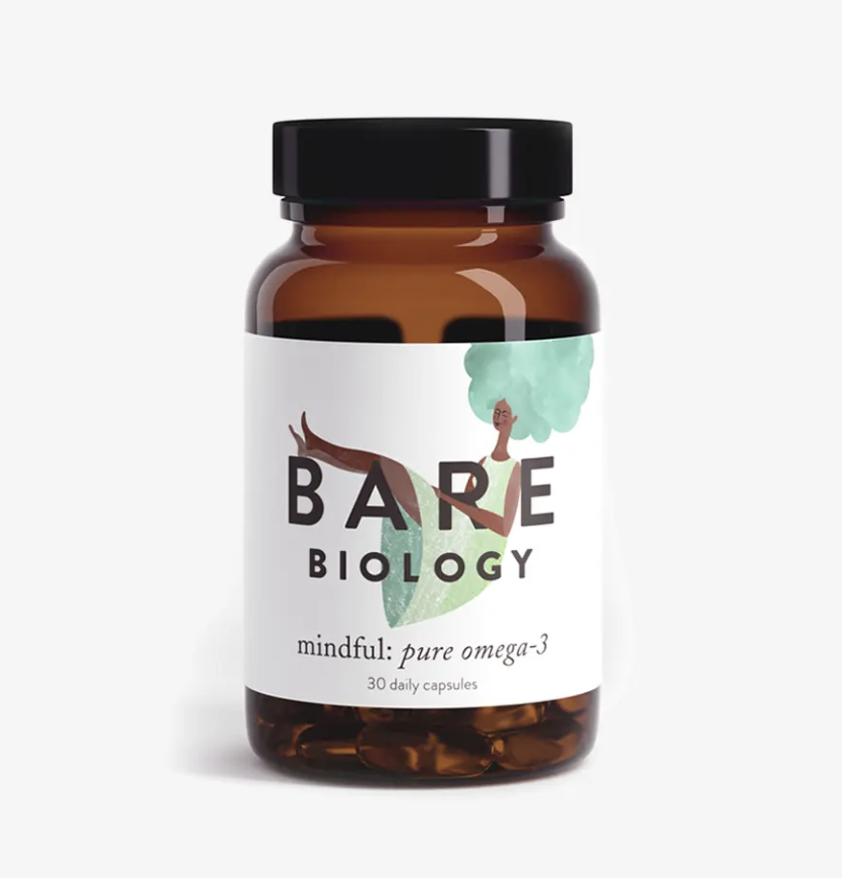
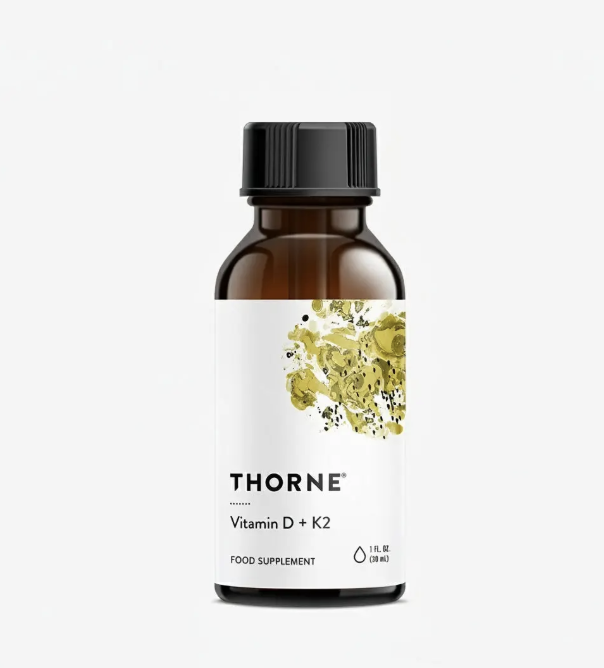
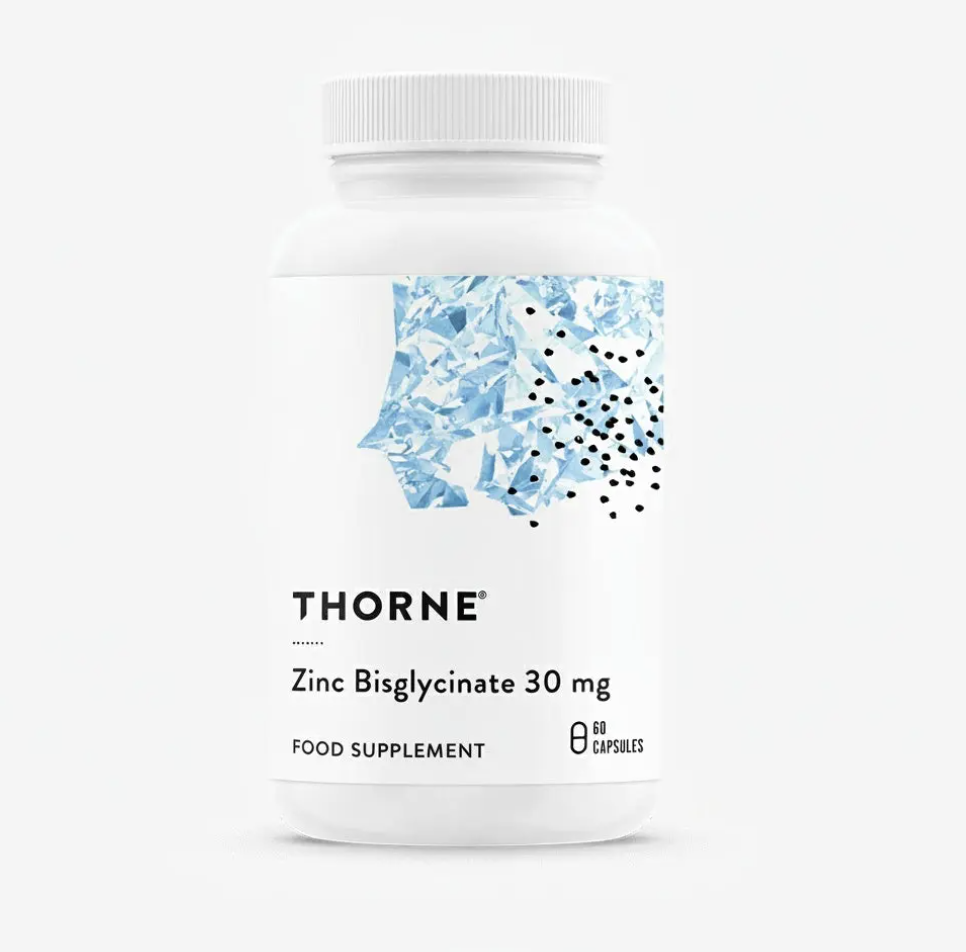
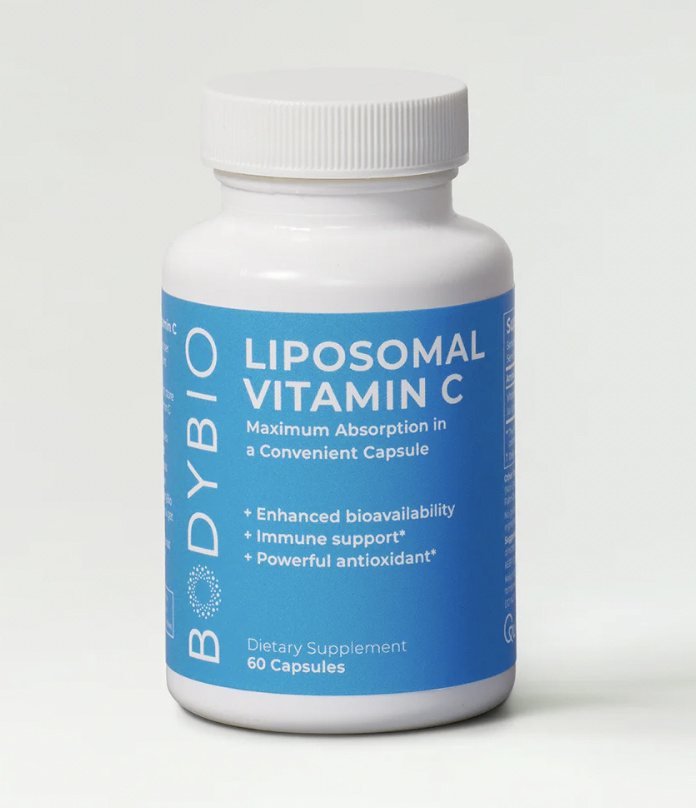
Select supplements may support eczema management when used appropriately:
● Omega-3 fatty acids: reduce inflammatory mediators and support skin barrier repair
● Vitamin D: modulates immune function
● Zinc: supports skin repair and immune health
● Probiotics: support gut health and immune balance.
○ Note. Not all probiotics will be effective, they need to be strain specific. Lactobacillus rhamnosus, Lactobacillus reuteri, Lactobacillus salivarius, Lactobacillus breve, Lactobacillus plantarum, Bifidobacterium lactis & Bifidobacterium breve are well researched.
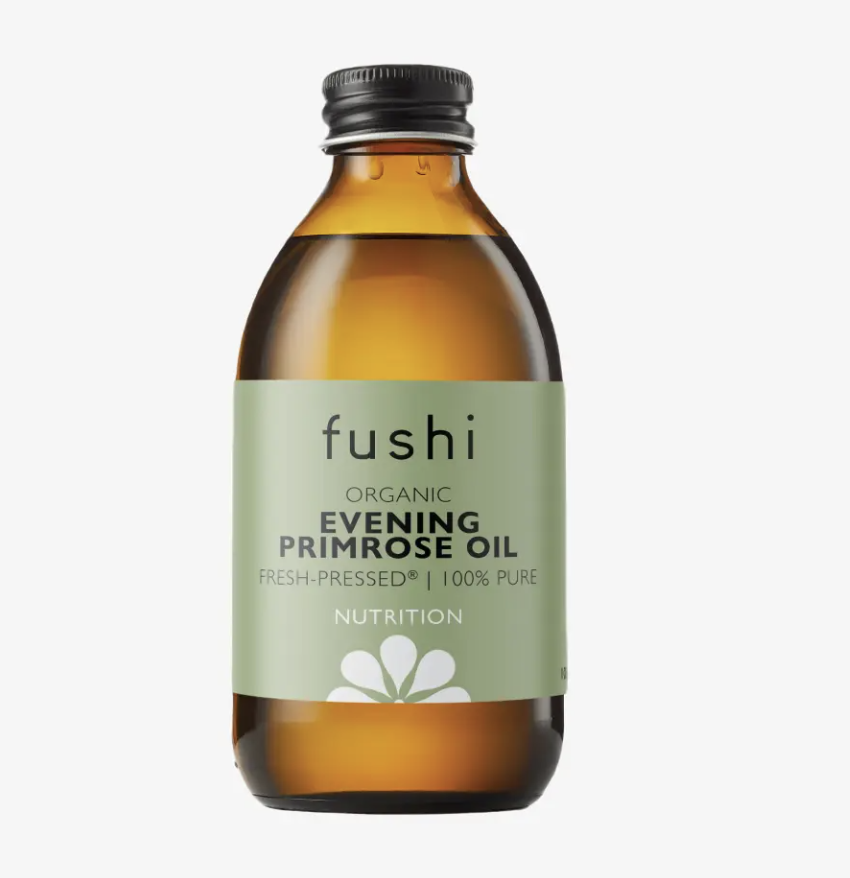
● Evening primrose oil (GLA): may improve skin hydration and inflammation
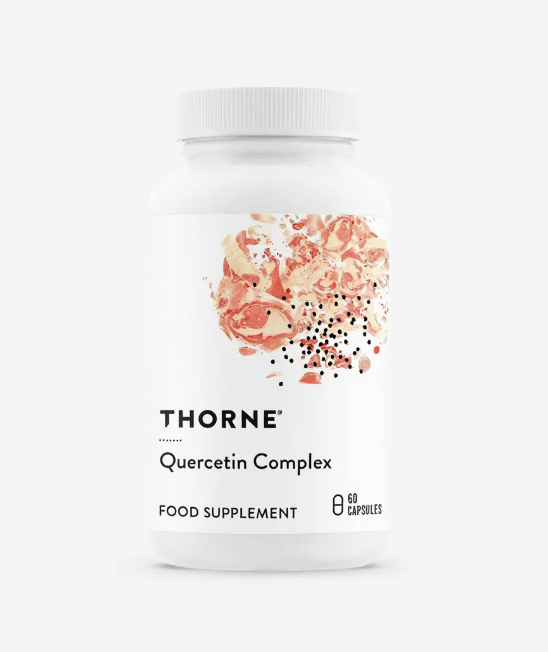
● Quercetin & Vitamin C: stabilise mast cells and reduce histamine-related responses

Foods to Limit or Avoid
Reducing inflammatory inputs can be beneficial. This may include limiting refined sugar, alcohol, and excessive caffeine, while identifying individual food triggers such as gluten, dairy, eggs, soy, or shellfish where relevant.
Stress Management
Nervous system regulation is a key therapeutic pillar. Practices such as breathwork, physical touch, and grounding techniques can help reduce stress-induced inflammation and improve skin outcomes.
Sleep
Quality sleep is essential for immune regulation, skin repair, and hormonal balance. Poor sleep can exacerbate inflammation, delay healing, and is a primary driver of eczema-related depression.
Gentle Movement
Regular, low-intensity movement supports lymphatic flow, circulation, and anti-inflammatory pathways, contributing to overall skin health without over-stressing the system. Caution as high-intensity exercise can sometimes act as a trigger for severely inflamed AD clients due to increased heat generation and blood blow to the skin's surface.
Lifestyle:
Incorporating environmental control strategies such as air purifiers (which can remove up to 99% of airborne allergens), shower filters, opting for fragrance-free detergents, and wearing loose-fitting clothes made from natural fibres such as cotton or linen, can significantly lessen the frequency and severity of flares.
Eczema is a complex, multifactorial condition that extends far beyond the skin. It involves dynamic interactions between the immune system, gut, nervous system, and environment. While this can feel overwhelming, it also provides opportunity - by addressing these underlying factors, we can move away from short-term symptom control and toward long-term, sustainable skin health. With the right support, this process becomes not only manageable, but empowering, allowing individuals to better understand their body and take control of their skin health.
Words by Shelby Sumner for The Well Edit
The content published by The Well Edit is for informational and educational purposes only. It is not intended as, and should not be relied upon as, a substitute for professional medical, health, nutritional, legal, or financial advice. While articles may reference insights from qualified practitioners or experts, the views expressed are their own and do not necessarily reflect the views of The Well Edit. Always seek the guidance of a qualified professional before making changes to your diet, lifestyle, supplementation, or healthcare routine.
Use of any information provided is at your own discretion and risk.