
The Week Before The Race: What Experts Who Actually Run Marathons Refuse to Compromise On

The week before a race - training plans taper, group chats notifications are constant, WhatsApp fills with carb-loading debates and weather forecasts suddenly feel deeply personal. And somewhere between your final shakeout run and laying out your kit the night before, the realisation lands: you’ve done the work. Now it’s about not undoing it.
Race week isn’t where fitness is built. It’s where energy is protected. And if there’s anyone worth listening to at this point, it’s the people who straddle both sides, the clinicians who understand the body, and the runners who have pushed it to the finish line themselves.
We spoke to James Lee, Specialist MSK Physiotherapist, and Rose Ferguson, Functional Medicine Practitioner, Nutritionist. Both themselves are marathon runners, so know first hand the importance of practicing what they preach and what actually matters in the final seven days.
1. This Is Not the Week to Reinvent Yourself
If race week had a mantra, it would be: nothing new. James finds himself re-instating this to clients often -
“Everything in race week should be something you have done previously, carb loading, shoes, pre-race rituals. Don’t change anything at the last minute. Keep it simple.”
It’s tempting, especially in the final stretch, to optimise. To squeeze in one last marginal gain. A new gel someone swears by. A different breakfast. A pair of “faster” trainers that every marketing team has re-branded. But the body doesn’t interpret novelty as optimisation. It interprets it as stress.
Your gut, in particular, is not the place to experiment days before asking it to cooperate for 26.2 miles. Nor are your muscles keen on unfamiliar footwear or routines.
Race week is less about nourishing your system to it naturally upgrades and therefore stabilising it.
2. Recovery Is the Real Training Now
By this point, you are not getting fitter, you’re aiming to be fresher. And that requires a subtle mindset shift, especially for those used to pushing. Rose puts it simply:
“You’ve got miles in your legs, so use this time to recover and not push to extremes.”
This is where restraint becomes a skill.
Short, easy runs. More rest than you think you need. Early nights that feel almost indulgent. The goal is to arrive at the start line feeling slightly underworked, not depleted. If sports massage has been part of your routine, James suggests it can still have a place:
“If you’ve used sports massage as part of your training, then certainly doing this a few days out is beneficial, but avoid doing it the day of or day before to reduce muscle soreness.”
Again, nothing new. No deep tissue ambush two days before the race. No aggressive “loosening off” that leaves you walking like you’ve already finished.
At The Well Edit, we always want to ensure you are equipped with our most loved recommendations. We always head to Beyond Health for our Sports Massages and when time is of limitation, or we just need to stay at home, we’re jumping straight onto the Urban App. You can use the code RELEANOBVG fo £15 off your treatment too.
3. Hydration Starts Before You Think It Does
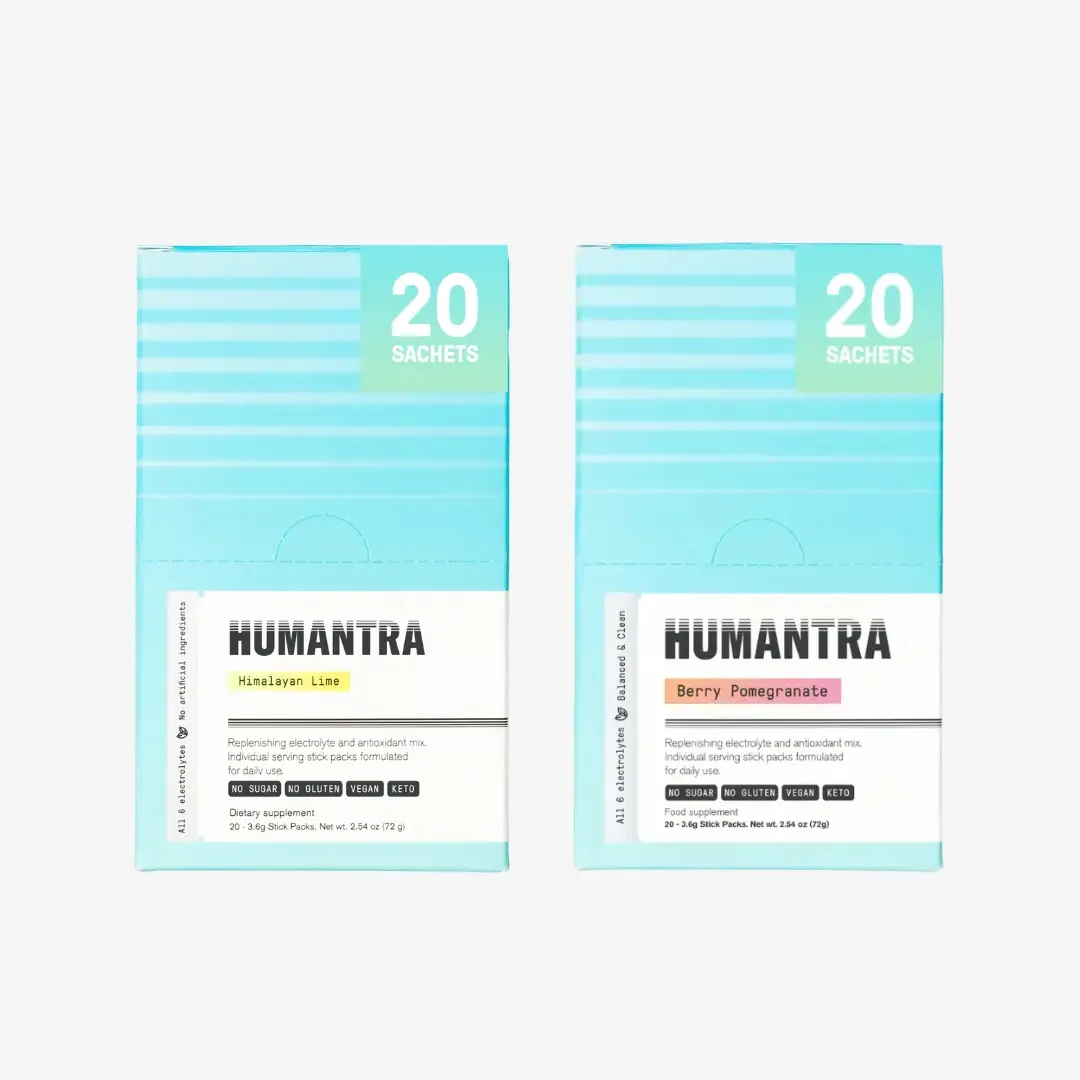
Hydration is often treated as a race-day concern. A bottle here, an electrolyte sachet there, by the end of the Sunday, London’s floors are covered in Humantra Sachets. But in reality, it’s something you build in the days leading up.
Rose emphasises looking at hydration through a wider lens:
“Hydration is key, think about it days and weeks before but then it’s also important to really focus on anti-inflammatory food to prepare your body for the stress and challenge it’s about to take on, complex carbs for glycogen stores, protein for muscle, fats for tackling inflammation.”
This isn’t just about water intake. It’s about cellular readiness and hydrating at a cellular level.
Well Edit Picks:
For the lead up to race day - Artah Cellular Hydration
On the day - Humantra
As part of your recovery - BodyBio E-lyte Balanced Electrolyte Concentrate


Glycogen stores need time to build. Muscles need adequate protein to repair. Fats help modulate inflammation. And electrolytes support fluid balance in a way plain water alone can’t.
The race is the performance. But this week is the preparation of the terrain.
4. Calm Is a Performance Strategy
What’s often underestimated about race day isn’t the distance, it’s the atmosphere. The crowds. The logistics. The early start. The nervous energy of thousands of people about to do something physically demanding. Rose highlights how easily this can tip into overwhelm:
“Keeping calm as race day is really intense, the getting there, the thousands of people can be quite overwhelming.”
And this is where something deceptively simple becomes powerful:
“Have your breath in your pocket.” It’s a line that lands because it’s practical.
Your breath is one of the few tools you can access anywhere, at the start line, in the pen, mid-race when things wobble. Rose particularly recommends box breathing in these moments of ‘wow’. Inhale through your nose for 4 seconds, hold for 4 seconds, exhale slowly through your mouth for 4 seconds, hold again, empty, for 4 seconds
Slow, steady breathing can anchor adrenaline, regulate your nervous system, and stop you from burning through energy before the race has even begun.Because one of the most common race-day mistakes isn’t physical. It’s starting too activated, too early.
“Have your box breathing ready in your pocket”
5. Strategy Beats Adrenaline
You will definitely feel good at the start. Better than good, invincible. And this is exactly why you need a plan. James advises going in with a clear pacing strategy:
“Have a race strategy. Go in with a pace plan. If the weather is hot, slow down. If things are going well, hold on, don’t push until closer to the end.” Adrenaline is not a pacing tool to be relied on and it’s a mistake so many people tend to fall into. The runners who fare best are often the ones who feel almost held back in the first half, who resist the pull of the crowd and the music and the early kilometres that feel deceptively easy.
And if things don’t go to plan?
“Don’t panic. Switch to plan B. Don’t force something that might risk not finishing.”
Because finishing strong often comes down to not fighting your body when it’s asking for something different.
6. Remember Why You Signed Up
Somewhere in the spreadsheets, the splits, the fuelling strategies, it’s easy to forget that running a race like this is, at its core, extraordinary. James brings it back to something simple, and often overlooked:
“Enjoy yourself. The crowd and support is something you’ve never experienced before. Everyone is cheering for you.”
There’s a moment in most races where the noise lifts you. Where strangers shout your name. Where the effort briefly dissolves into something lighter. Let that happen and enjoy every moment of it, romanticise it even. Because yes, you’ve trained. Yes, you want a time. But this is also the part you don’t get from training alone.
“You’ve worked hard for this, do it with a smile on your face the whole way round. And enjoy the spoils after.” says James
The Well Edit Takeaway
Race week isn’t about doing more. It’s about doing less, but better. It’s about trusting the work you’ve already done. Supporting your body instead of challenging it. Holding your nerve when everything in you wants to tweak, optimise, push. Keep it familiar. Keep it calm. Keep it fuelled.
And when the day comes, run it in a way that lets you cross the line knowing you worked with your body, not against it. That, more than anything, is what will carry you through
Words by Eleanor Hoath with Contributions from James Lee & Rose Ferguson
The content published by The Well Edit is for informational and educational purposes only. It is not intended as, and should not be relied upon as, a substitute for professional medical, health, nutritional, legal, or financial advice. While articles may reference insights from qualified practitioners or experts, the views expressed are their own and do not necessarily reflect the views of The Well Edit. Always seek the guidance of a qualified professional before making changes to your diet, lifestyle, supplementation, or healthcare routine.
Use of any information provided is at your own discretion and risk.