
A Guide to Doing Ski Season Well

A science-led approach to energy, recovery and resilience at altitude
Ski season has a particular cadence. Early mornings, cold air that sharpens the senses, legs that burn by lunch, long afternoons that blur into après. It’s exhilarating, social and deeply physical. What often gets missed is that skiing asks more of the body than almost any other holiday ritual we normalise doing for seven days straight.
Altitude, cold exposure, unfamiliar movement patterns, long hours of exertion, disrupted sleep and alcohol all stack quietly in the background. The result is that many people return home depleted, inflamed or injured, wondering how something so joyful ended up feeling so taxing.
To understand how to do ski season well, we spoke to Rhian Stephenson, nutritionist and founder of Artah, and James Lee, physiotherapist and Clinical Manager at Beyond Health.
Altitude changes how your body works
“Altitude alters metabolism in three main ways,” explains Rhian. “Energy expenditure increases even at rest, carbohydrate becomes the preferred fuel because it’s more oxygen-efficient, and fluid and electrolyte losses increase significantly.”
This matters more than most people realise. At altitude, the body is working harder just to exist. Add hours of skiing on top, and energy demand rises quickly. Carbohydrates become essential not as indulgence, but as fuel. Meanwhile, cold, dry air increases respiratory water loss, and altitude triggers a mild diuretic effect, meaning you lose fluids and sodium faster than normal.
“People often feel flat, headachy or low-energy and assume they just need more food,” Rhian adds. “But dehydration and electrolyte imbalance are often the missing piece.”
Why eating more, isn’t ALWYS enough
Depletion on ski trips isn’t just about calories.
“During ski weeks, we’re usually far more active than in normal life, eating differently, often with fewer fruits and vegetables, exposed to cold, and sleeping less,” says Rhian Stephenson. “That’s before alcohol, which compounds all of those effects.”
Hydration frequently masquerades as fatigue. Long stretches of skiing without water, combined with altitude-related fluid losses, can leave people feeling disproportionately exhausted even when meals are plentiful. The body is asking for support, not just sustenance.
The muscles that quietly take the hit
“Skiing places sustained load on muscles that many people don’t train specifically,” explains James. “The quadriceps, adductors, glutes and hip flexors do the majority of the work.”
Because most people ski only once or twice a year, the body experiences this load as novel. Even fit individuals can be surprised by how quickly fatigue sets in.
“Sub-optimal technique increases demand further,” James adds. “Which is why sore legs often arrive earlier in the week than expected.”
This muscular fatigue isn’t just uncomfortable. As it accumulates, coordination and reaction time decline, increasing injury risk.
Stretching feels good, but it’s not preparation
“Stretching can be helpful at the end of the day,” says James Lee, “but it doesn’t prepare the body for the physical demands of skiing.”
What does? Strength.
“Consistent strength training across the year, and particularly in the eight to twelve weeks before a ski trip, carries the most weight in reducing injury risk and improving enjoyment.”
Two regular strength sessions per week, targeting leg strength, core stability and landing mechanics, can dramatically change how the body tolerates long days on the slopes.
A Wellness-Led Ski Season Packing List
What actually earns its place in your bag and some of our Well Loved finds
On the mountain
Electrolytes (single-serve for pockets or backpacks)
Insulated water bottle or hydration pack
High-protection facial sunscreen
Sunglasses or goggles with proper UV protection
Pocket snack with carbs + protein (bars, dates with nut butter, etc.)
In the chalet
Magnesium (evening use for muscle relaxation)
Omega-3s (joint and inflammation support)
Protein powder or protein-rich snacks
Creatine (for frequent skiers or heavy weeks)
Gentle mobility tools (mini band, massage ball)
Blue-light blocking glasses for evenings
A book. Not everything needs to be optimised.
Post-ski rituals
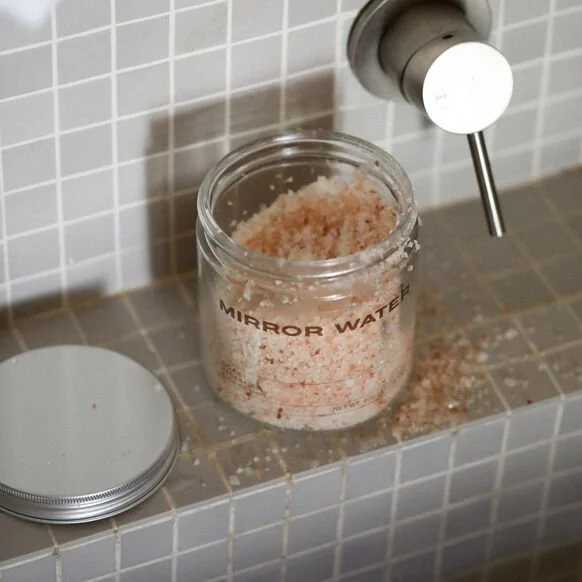
Epsom salt or magnesium flakes for baths
Nourishing body oil or balm for cold-exposed skin
Sleep support essentials
Alcohol-free alternatives you actually enjoy
Fueling recovery, not just appetite
“At altitude, carbohydrates become more important than people expect,” says Rhian Stephenson. “They support performance and glycogen repletion under hypoxic stress.”
Protein is equally critical. Muscle repair doesn’t pause just because you’re on holiday.
“If protein intake is usually on the low side, increasing it supports repair and adaptation,” Rhian explains. “Micronutrients from fruit and vegetables support overall resilience, and targeted support like magnesium and omega-3 fats can help with muscle and joint recovery.”
For frequent skiers, she also highlights electrolytes and creatine to support hydration and recovery, reducing susceptibility to injury as fatigue builds.
Fondue can stay. It just needs some structure around it.
Skin resilience at altitude
“Sunscreen is essential,” Rhian notes. “But alcohol makes skin more vulnerable to sun damage.”
Alcohol increases inflammatory signalling and oxidative stress, leaving skin less resilient to UV exposure. Dermatology research shows skin can burn with less UV after alcohol intake, a risk amplified by altitude and snow reflection.
“Nutrition helps build internal resilience,” she adds. Diets rich in carotenoids, omega-3 fats, and vitamins C and E support the skin’s ability to cope with environmental stressors. In practice, that means oily fish, olive oil, tomatoes, colourful vegetables, nuts and seeds.
Après, approached intelligently
“Nothing prevents alcohol-related damage completely,” says Rhian Stephenson. “But hydration, electrolytes, blood sugar management and sleep make a meaningful difference to how the body copes.”
Alternating alcoholic and alcohol-free drinks is increasingly common, not as restriction, but as regulation.
James Lee adds a sobering perspective: “Injury risk increases significantly after alcohol consumption, even when people aren’t intoxicated at the time. Fatigue, slower reaction times and poorer judgement linger into the following day.”
Many injuries occur more than twelve hours after the last drink, highlighting the knock-on effects rather than the moment itself.
Recovery is built overnight
“Sleep quality is foundational,” says James. “Alcohol disrupts sleep, which directly impairs muscle repair and neurological recovery.”
Active recovery also plays a role. Gentle walking, mobility work or lighter movement days help maintain circulation and reduce stiffness, particularly for newer skiers.
“If you’ve overdone it, taking a morning off can be the smartest decision you make all week,” he adds.
The mistakes experts see every season
“Not strength training before the trip,” James says simply. “It leads to sore legs, reduced enjoyment and higher injury risk.”
Overestimating ability and aggressive binding settings are another common issue. “If you’re more likely to fall, having skis release more easily can reduce injury severity.”



What to Do Before the Slopes (and After)
Before the slopes: set the body up to cope
Ski days start early, often before appetite has fully arrived. But what you do before clipping into your skis has an outsized impact on energy, coordination and injury risk later in the day.
A proper breakfast matters. This isn’t the moment to under-fuel. Carbohydrates support performance at altitude, protein primes muscles for repair, and salt helps offset early fluid losses. Hydration should start before you feel thirsty, ideally with added electrolytes to support sodium balance.
From a physical perspective, cold muscles are more vulnerable. Gentle mobility, particularly through hips, ankles and spine, helps prepare joints for the sustained load skiing places on them. This doesn’t need to be a full workout. Five to ten minutes of intentional movement is enough to wake the system up.
Mentally, pacing matters too. Ski season rewards restraint early in the week. Going hard on day one often means compromised days later.
After the slopes: recovery starts immediately
Recovery doesn’t begin at bedtime. It begins the moment the boots come off.
Rehydration is the first priority. Fluid losses accumulate quietly throughout the day, and replacing both water and electrolytes helps prevent headaches, fatigue and delayed soreness. Food matters here too. Carbohydrates replenish glycogen, while protein supports muscle repair that continues overnight.
Light movement post-ski can help flush stiffness from tired legs. A short walk, gentle stretching or mobility work helps maintain circulation without adding further stress. Heat, whether from a bath, sauna or simply warming up slowly, can support relaxation and nervous system down-regulation.
Alcohol, if it’s happening, is best delayed rather than immediate. Giving the body a window to rehydrate and refuel first can meaningfully reduce its impact on sleep and recovery.
Sleep is the final, non-negotiable piece. It’s where muscular repair, neurological recovery and immune resilience are built. Protecting it is part of doing ski season well.
The Well Edit takeaway
Doing ski season well isn’t about restriction. It’s about respect. Respecting altitude. Respecting recovery. Respecting the fact that skiing is a serious physical demand wrapped in a beautiful lifestyle.
Fuel properly. Hydrate deliberately. Strength train ahead of time. Protect your sleep. Enjoy the après, but don’t let it undo the biology.
The mountains will give you plenty back if you meet them halfway.
The content published by The Well Edit is for informational and educational purposes only. It is not intended as, and should not be relied upon as, a substitute for professional medical, health, nutritional, legal, or financial advice. While articles may reference insights from qualified practitioners or experts, the views expressed are their own and do not necessarily reflect the views of The Well Edit. Always seek the guidance of a qualified professional before making changes to your diet, lifestyle, supplementation, or healthcare routine.
Use of any information provided is at your own discretion and risk.