
I Went Off Grid for Four Days. This Is What Actually Happened
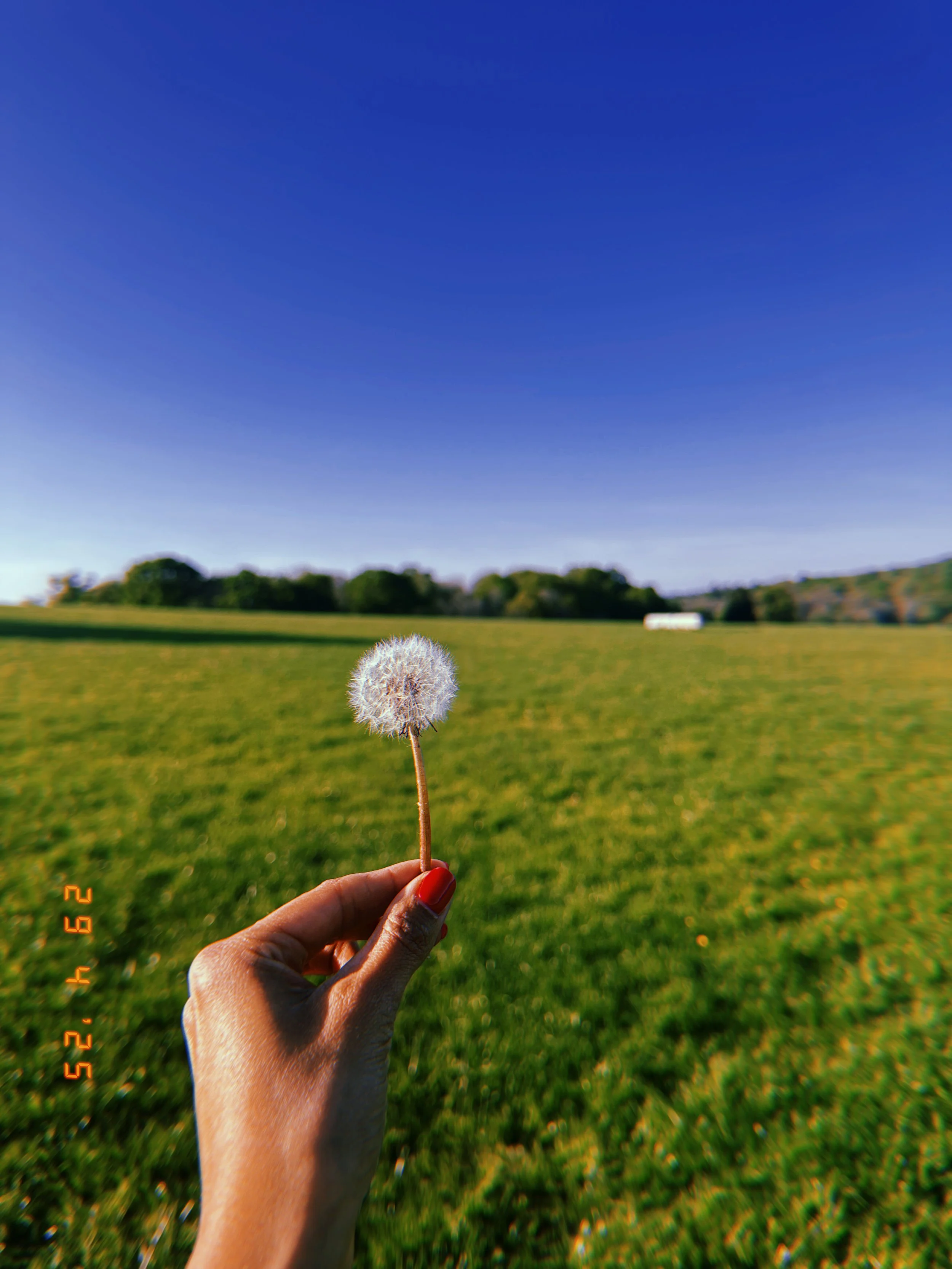
As someone living in London, working in wellbeing, and spending a large part of my life online, the idea of going completely off grid felt… theatrical. Aspirational, maybe. Necessary, possibly. But realistic? I wasn’t sure.
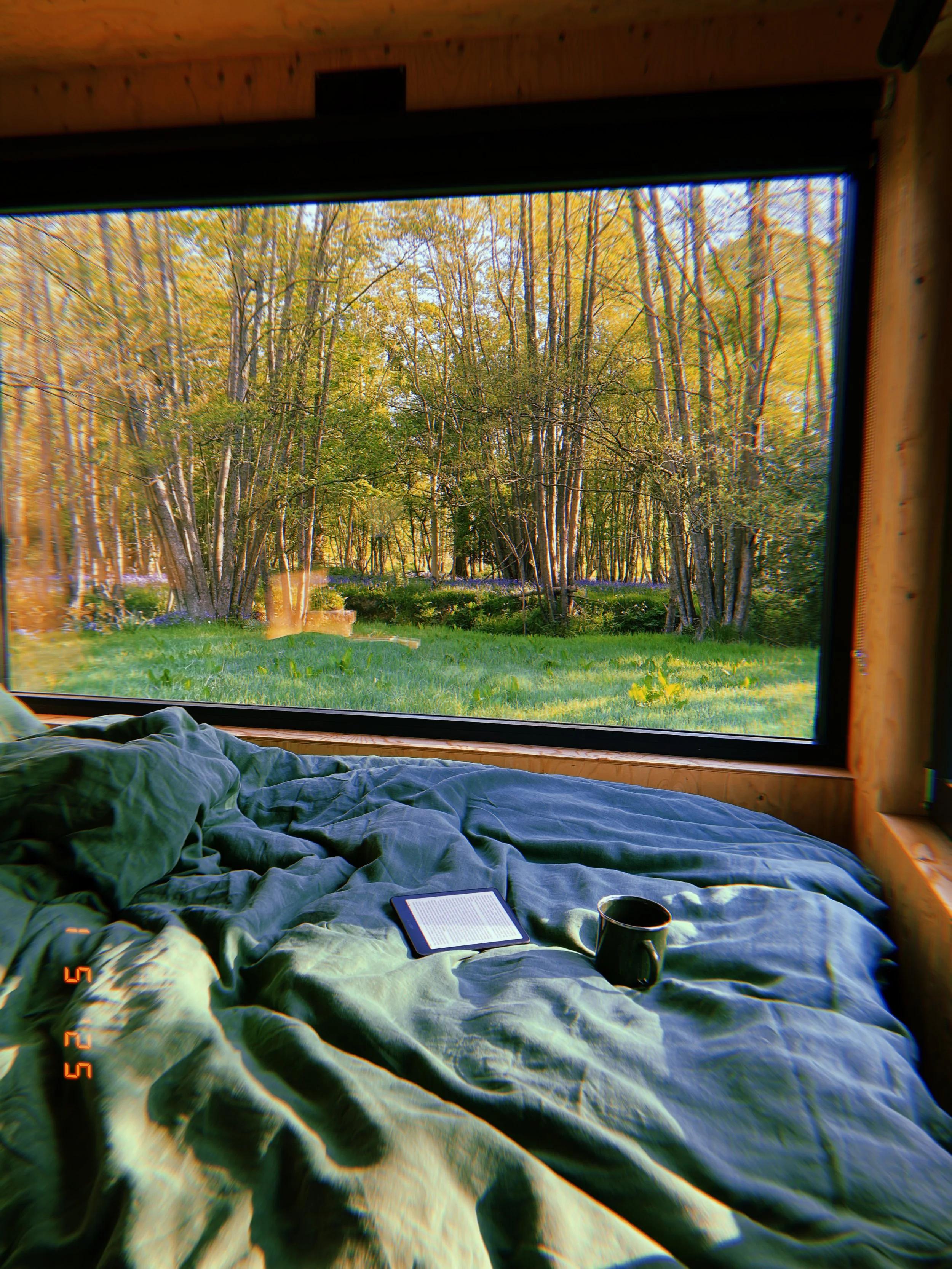
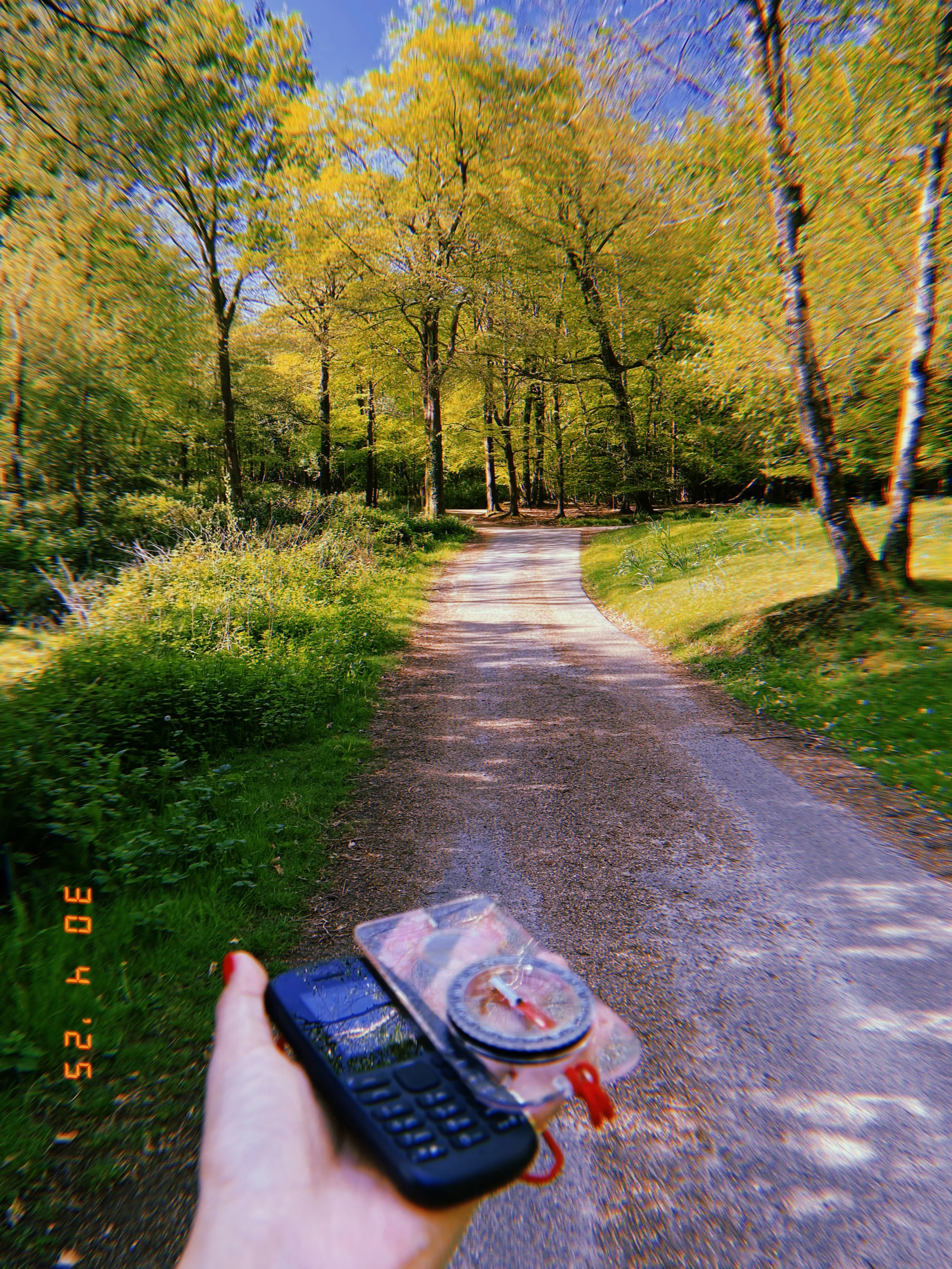
Still, I booked a solo stay at one of Unplugged’s digital detox cabins. No Wi-Fi. No smartphone. No scrolling. Just a Nokia brick phone for emergencies, a paper map, a radio, and me.
Their tagline is disconnect to reconnect. I’d always assumed that meant reconnecting with a partner, a friend, or nature. What I didn’t expect was how much of this experience would be about reconnecting with myself.
The walk in that quietly changed everything
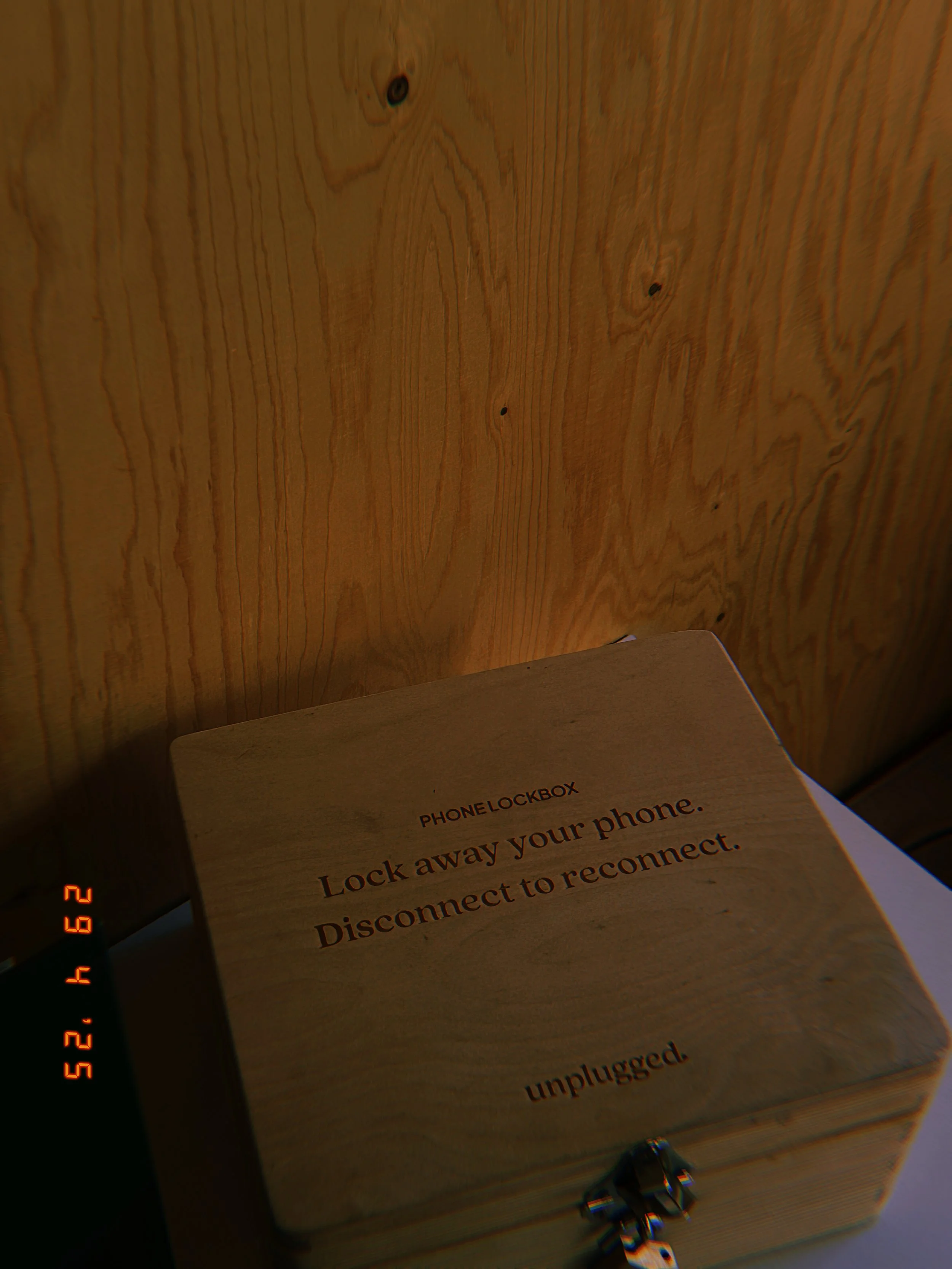
The cabin was properly tucked away. After parking, I discovered there was an 850-metre walk across open fields to reach it. No phone. No signal. Somewhere on that walk, I realised I was totally alone, and whilst I was entirely apprehensive and the anxiety crept in. Oddly, my shoulders dropped. The background hum I hadn’t realised I was carrying went quiet. When I arrived, it was total silence, sheep, and a small wooden cabin with a locked box waiting for my phone.
Putting my phone in the box felt like an achievement but also, petrifying.
Goodbye iPhone
The first thing I did was lock my phone in the box. No backup plan. I had a radio, books, a journal to reflect in, a physical camera (because I had to document this somehow) and a manual coffee grinder. At first, I found myself thinking, Now what?
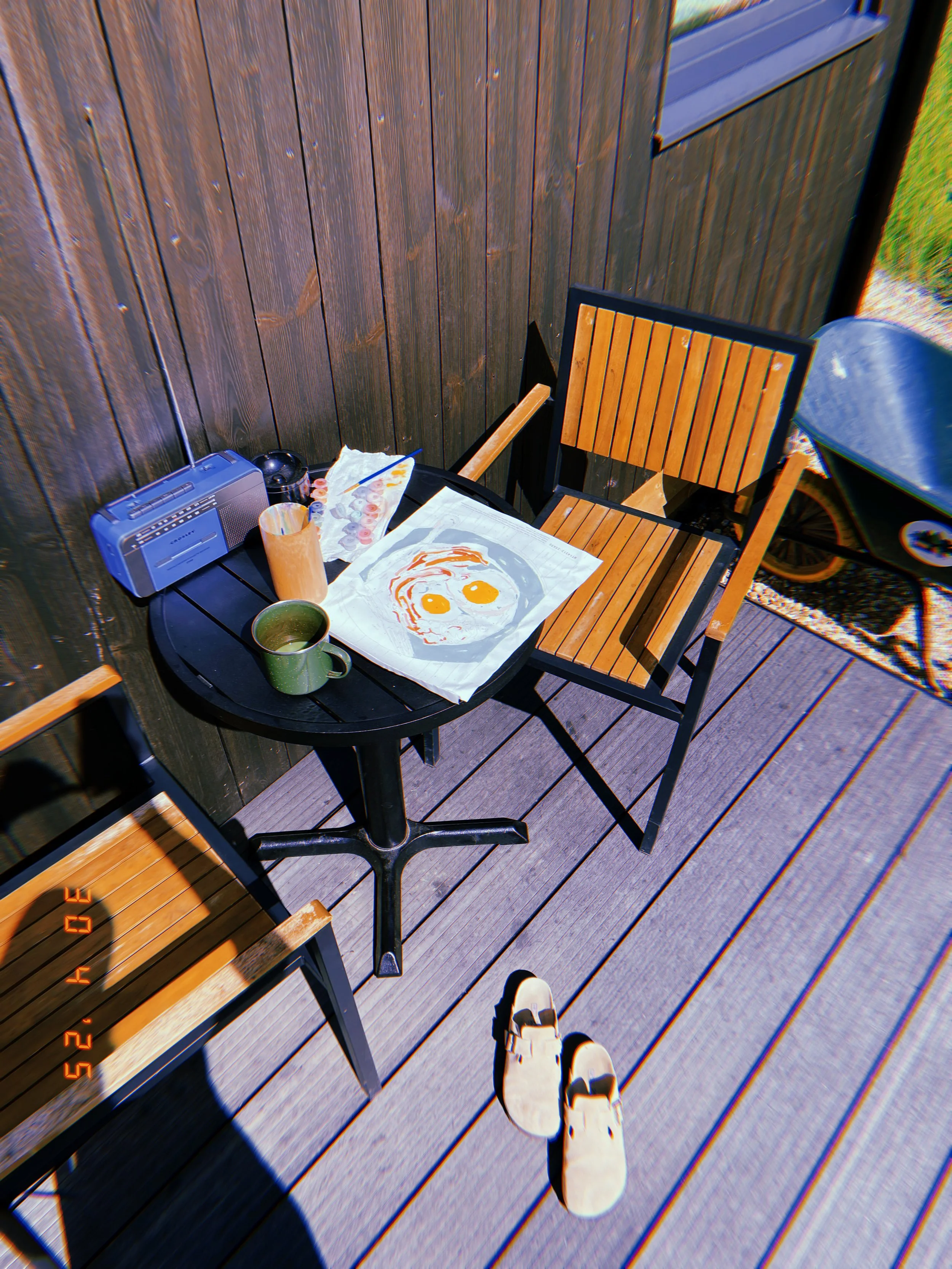
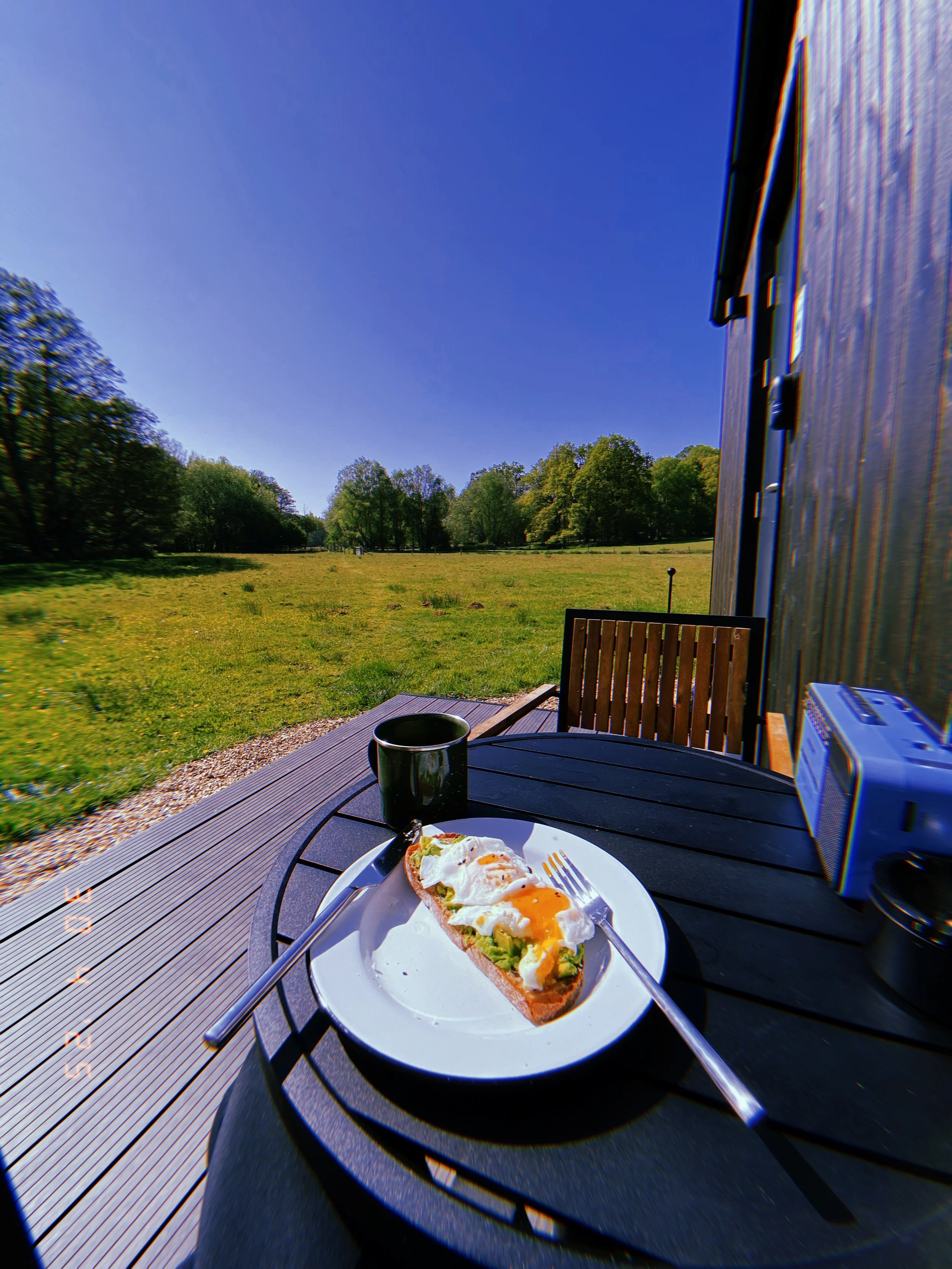
Then I switched on the radio, provided on the shelf by Unplugged alongside a selection of boardgames, music tapes and literature to read. I hadn’t listened to live radio in years. Every morning, I tuned into the Greg James Breakfast Show on Radio 1 and listened to people call in to win tickets to the Big Weekend. It was so simple - and so joyful. I'd forgotten how human it is to hear real people chatting live, unfiltered, without algorithms deciding what you hear next. No Spotify Daylist, no Apple CarPlay, just music, voices, and a lot of accidental nostalgia. I ended up leaving the radio on most of the time.
Green time before screen time, taken literally
Back in lockdown, I coined the phrase green time before screen time. Here, it became unavoidable.
Each morning I walked the surrounding fields and woodland with no Google Maps, no music, no podcasts. Just a compass, a paper map, and my own thoughts.
I set myself one rule: say out loud whatever came into my head.
It felt strange at first. Then it felt clarifying. Without distraction, things began to land. Ideas surfaced. Decisions I’d been circling quietly moved closer to the surface. There was no noise to compete with my own internal voice, and I could say what I wanted to feel, freely.
Reading properly, not performatively
With no notifications waiting for me, I read. Properly. One day I drove, map in hand (provided by Unplugged) to Pooh Corner Café and sat for nearly three hours with Maybe in Another Life by Taylor Jenkins Reid. No phone checks. No mental multitasking.
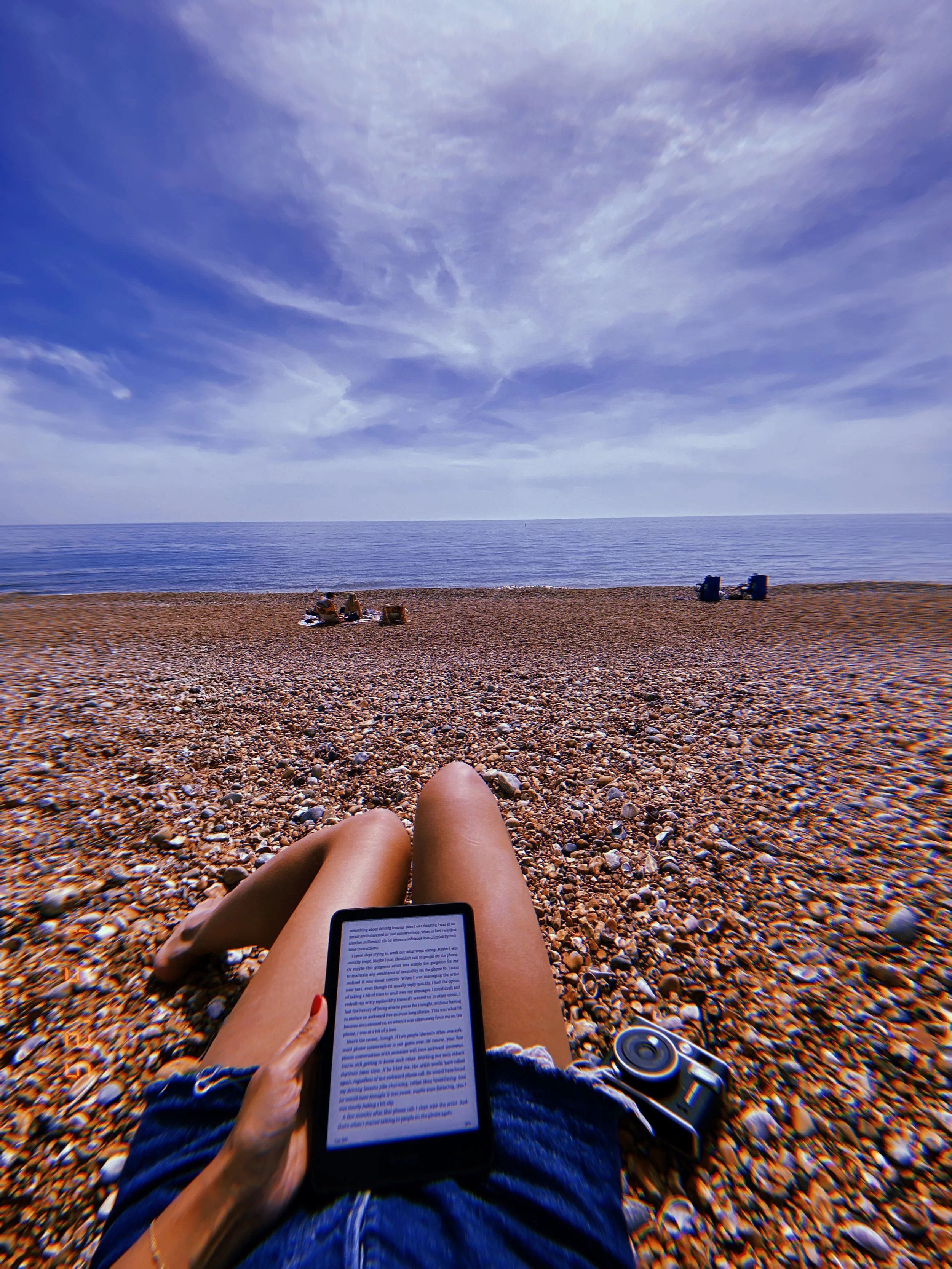
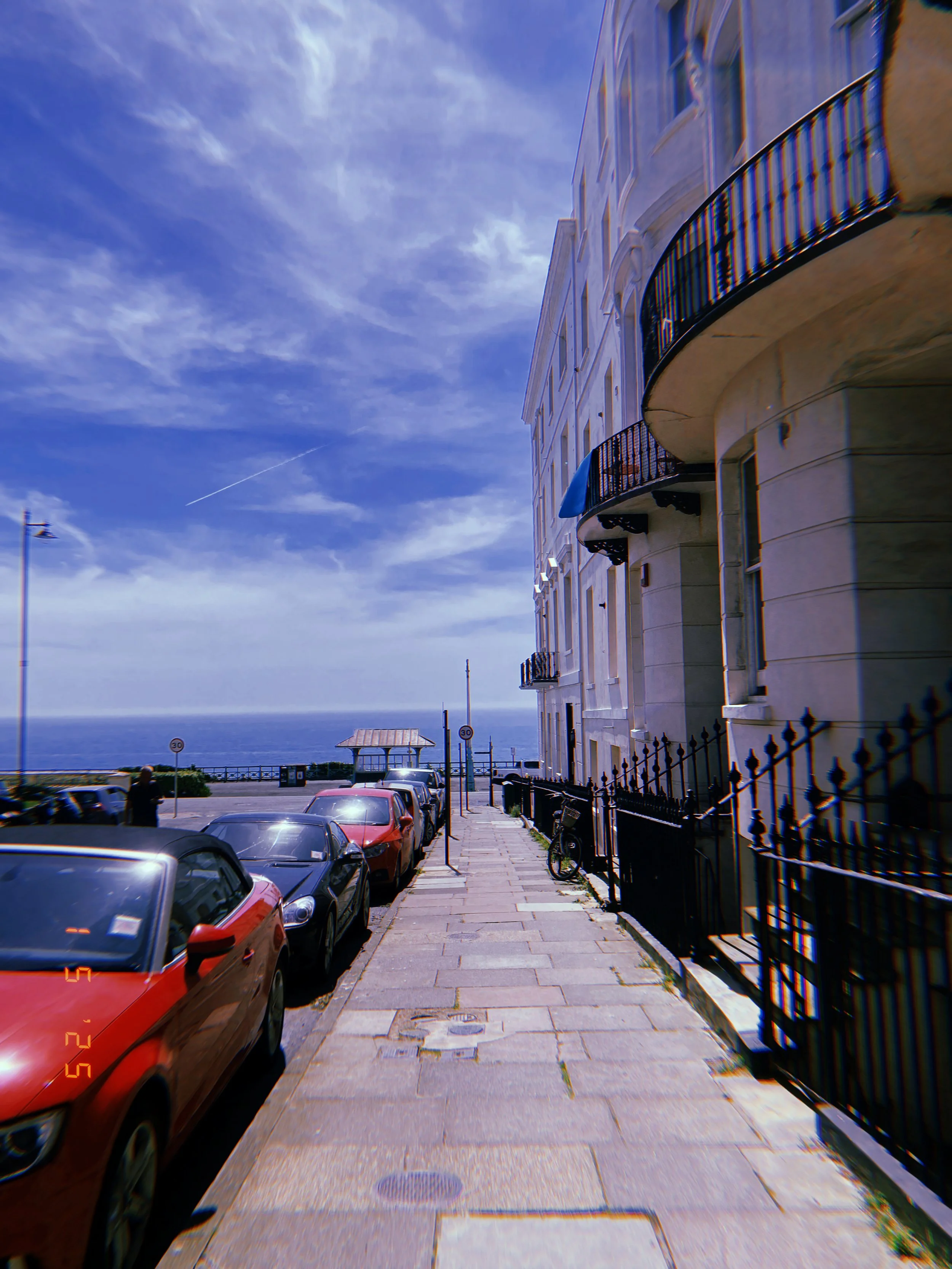
Another day, I drove to Brighton during a mini heatwave and immediately ran into a modern-life problem: parking apps. No phone meant no payment. A small inconvenience, but also a sharp reminder of how dependent we’ve become without even noticing. At first, I found myself in a strop, and then I had the emotion of ‘how’, ‘why’, for both myself and the elders who don’t have a smart phone.
Sitting on the pebbles, I read Millennial Love by Olivia Petter. I laughed. I winced. I reflected. Two books in three days. That hasn’t happened in years. Less digital input meant more emotional and creative output.
The science caught up with the feeling
Shortly after returning, I spoke with neuroscientist Dr Tara Swart about the neuroaesthetics movement. We delved into the research that shows that engaging with the arts even once or twice a year is associated with a 14% reduction in mortality risk. Every few months, that figure rises to 31%.
Suddenly, the quiet cabin, the books, the radio, the walks weren’t indulgent. They were biologically supportive.
Sleep, finally
At night, I slept better than I had in months. No blue light. No late-night scrolling. No city noise or street lamps. Although when I opened the blinds it was petrifying to look out into the darkness, it was a reminder to look up at the stars and just appreciate where I was, and why I needed to be there.
Just Classic FM, blackout blinds, and actual darkness.
My Oura Ring reflected it immediately: deeper sleep, improved HRV. My nervous system understood what was happening before my brain did.
Everything took longer, and that was the point
Nothing in the cabin was automated. Coffee took time. Navigation required attention. Even small tasks asked for presence. Living and working in London, this is alien to us. We expect our coffee to be made and in our hand before we’ve even tapped our Apple Pay and someone walking slowly on the Piccadilly Line sends our cortisol levels into overdrive.
That enforced slowing revealed how rushed everyday life has become. Eating. Commuting. Conversations. We skim everything. By day three, my pace felt more natural. Less urgent. More considered and the return back to London was almost, overwhelming.
Coming back, changed
When it was time to leave, I hesitated before unlocking my phone. Turning it back on felt really un-nerving and I think, I actually wanted to avoid it. I thought I’d be desperate to turn it on, but I waited until I was half of the journey back to London and pulled over in the service station to do so. It was louder than expected. Messages. Notifications. Noise.
But something had shifted.
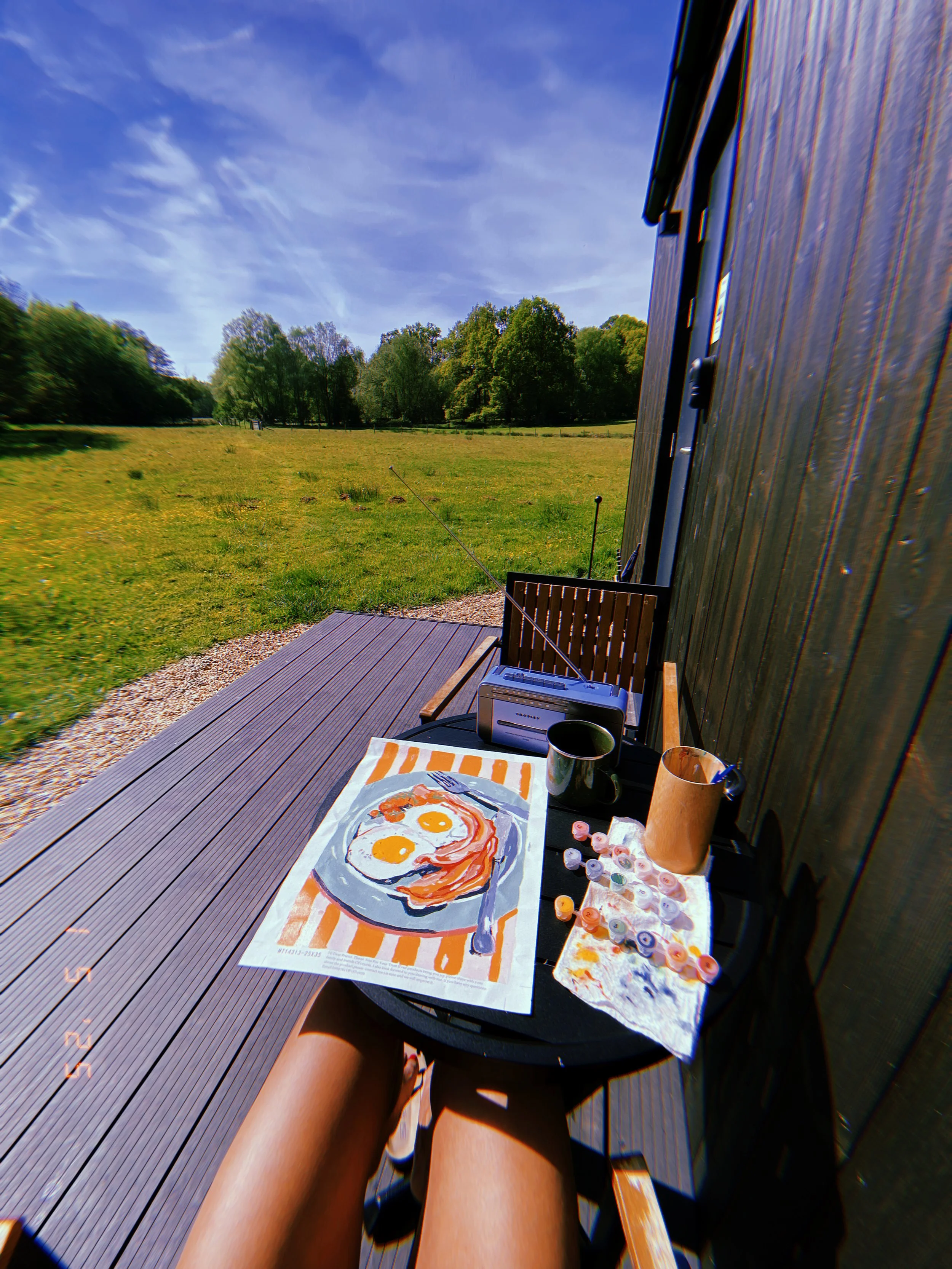
I no longer felt compelled to respond immediately. I didn’t reach for my phone out of reflex. I’ve kept tech-free mornings, especially at weekends. I’ve read more. I’ve stopped filling every quiet moment with audio. I picked up painting again. Work feels sharper. Writing flows more easily. I feel less scattered. Whether this sticks, is a different story, but I know I will be returning to Unplugged to reinforce it.
Final thoughts
I went off grid thinking it would be a break.
What I got was a reset.
Disconnect to reconnect turns out to be less about withdrawing from the world, and more about remembering how your mind works without constant interruption.
If your thoughts feel crowded, your time never quite feels like your own, or your creativity has gone quiet, I’d recommend 72 hours offline. Not for escapism. But to remember what clear thinking feels like again.
The Well Edit readers can use the code UNPLUGELHOATH for £50 off your Unplugged stay
The content published by The Well Edit is for informational and educational purposes only. It is not intended as, and should not be relied upon as, a substitute for professional medical, health, nutritional, legal, or financial advice. While articles may reference insights from qualified practitioners or experts, the views expressed are their own and do not necessarily reflect the views of The Well Edit. Always seek the guidance of a qualified professional before making changes to your diet, lifestyle, supplementation, or healthcare routine.
Use of any information provided is at your own discretion and risk.